
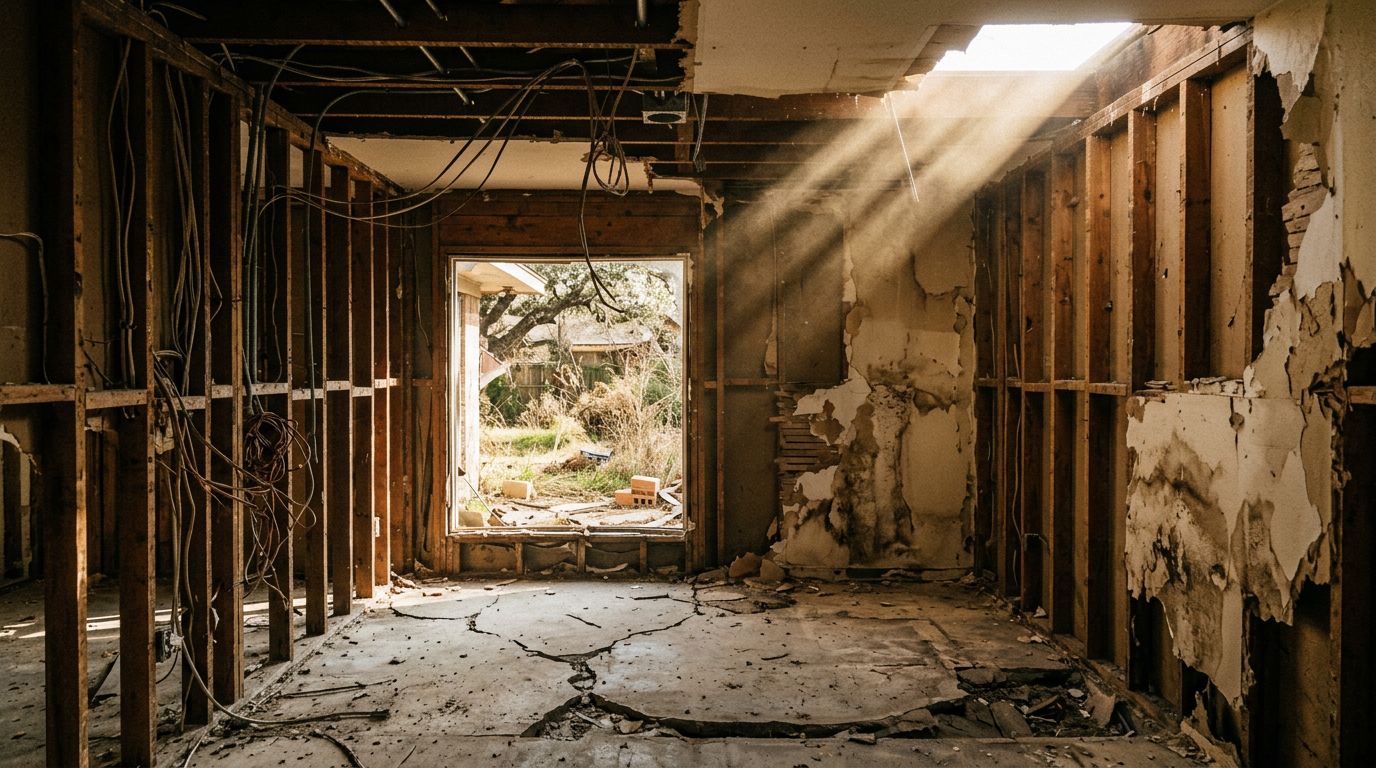
Most hidden remodeling problems show up only after demolition starts. Water damage, old wiring, weak framing, poor drainage, and past code shortcuts can sit behind finished surfaces for years. In Denton and across North Texas, older homes, slab movement, and weather swings raise that risk.
For homeowners researching home remodeling Denton TX, the hardest costs are usually the ones nobody can see. Once drywall, tile, or siding comes off, the house tells the truth.
Why do hidden remodeling problems appear after demolition starts?
Most home remodeling issues stay invisible until a crew opens the walls, floors, or ceiling. Paint, trim, tile, and cabinetry hide a home’s actual condition. A room can look clean and still have rot around a window, a slow plumbing leak, or wiring that no longer meets code.
Older repairs also create surprises. Many homes carry layers of past work, some permitted, some not. A previous owner may have moved a wall, added a light, or tied a patio roof into the house without proper support. Those shortcuts often stay hidden until the new project exposes them.
Another problem is age. Materials wear at different speeds. Framing may still look solid from the front, while the backside has water damage. Galvanized plumbing can corrode from the inside. Electrical panels can appear usable, yet lack capacity for added loads in a modern remodel.
The finish budget is easy to price. The hidden-condition budget is not.
That is why the first estimate is often a starting point, not a final number. Good contractors explain this early. They separate known work from possible hidden repairs, then update the scope as demolition reveals facts.
Which hidden issues cause the biggest budget jumps?
The largest cost increases usually come from structural, electrical, plumbing, and moisture problems. These are the repairs that affect safety, code compliance, and the schedule. They also tend to involve multiple trades, which raises labor time and coordination.
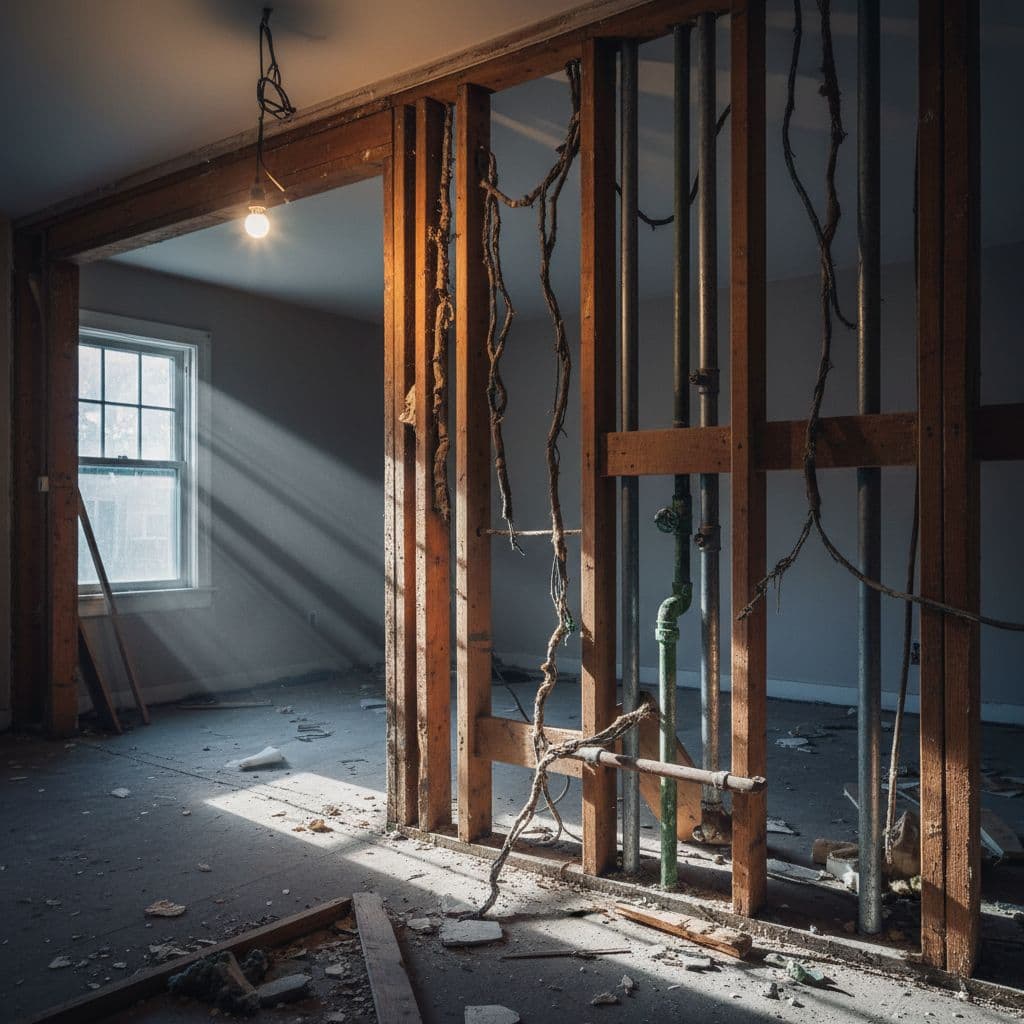
A few issues show up more than others:
- Hidden water damage can rot subfloors, wall plates, and trim long before stains appear.
- Outdated wiring may need new circuits, AFCI or GFCI protection, or a panel upgrade.
- Old drain lines can crack, clog, or slope the wrong way, which turns a simple remodel into plumbing work.
- Weak framing may need new headers, joist repair, or reinforcement before finishes go back in.
These are not cosmetic changes. They affect whether the project can move forward at all. That is why surprise costs often match the pattern described in unexpected renovation costs and in this review of common remodeling mistakes.
When a project touches several systems at once, one coordinator matters. For larger jobs, professional Denton home renovations can reduce confusion because one team manages schedule, inspections, and trade sequencing. That keeps a hidden plumbing repair from delaying electrical, drywall, and finish work for days.
Why do Denton and North Texas homes bring extra surprises?
Local conditions matter. In Denton and across North Texas, many homes sit on expansive clay soil. As the soil swells and shrinks, slabs can shift. That movement may show up as cracked tile, sticking doors, window gaps, or framing stress around openings. During a remodel, those small signs can lead to bigger findings.
Weather adds pressure. Long heat spells dry materials out, while strong storms push water into weak flashing, roof edges, and wall penetrations. Over time, that cycle can damage trim, sheathing, and framing without leaving a dramatic stain indoors.
Age also plays a role. North Texas has plenty of homes with additions from different decades. The original house may be solid, but the later sunroom, enclosed patio, or garage conversion may not tie into the structure the right way. Mismatched roof lines, uneven foundations, and patched electrical work are common trouble spots.
A general contractor Denton TX homeowners trust should look at the whole assembly, not only the room being updated. Drainage, roof tie-ins, attic ventilation, and past additions all affect what happens after demolition. A low quote that ignores those risks can become the most expensive option on the job.
How do windows, bathrooms, patios, and roofs reveal hidden damage?
Some remodeling categories expose hidden damage faster than others because they open the parts of the house that take the most stress.
What comes up during window work?
During window replacement Denton TX projects, installers often find wood rot, failed flashing, and framing movement around the rough opening. In North Texas, sun and storm exposure wear down sealants fast. If a window has leaked for years, the damage may extend past the trim into sheathing and wall framing.
What gets uncovered in bathroom remodels?
In bathroom remodeling Denton TX, hidden leaks are common. Shower pans fail slowly, tub surrounds let water pass behind tile, and old venting can trap moisture in the wall cavity. Once demolition starts, crews may find soft subfloors, mold growth, rusted drains, or framing damage behind a toilet or shower valve.
Where do patio and roof tie-ins fail?
With patio covers Denton TX and outdoor living projects, the main risk is how the new structure connects to the home. Poor ledger attachment, weak footings, and bad drainage can all create long-term trouble. Roofing work tied to those areas can also reveal rotten fascia, damaged decking, or flashing problems where water has been entering for years.
These project types look simple from the outside. Under the surface, they often touch the parts of the house that fail first.
How can homeowners reduce risk before work begins?
No remodel comes with zero uncertainty, but the risk can drop a lot with better prep. Clear scopes, realistic allowances, and site checks matter more than wishful budgeting. Homeowners in Denton should expect some unknowns, especially in older homes, but they should also expect a contractor to explain where the risk sits.
A solid pre-construction process usually includes attic and crawl checks where possible, moisture readings in suspect areas, photos of existing conditions, and a review of prior additions or exterior tie-ins. It should also include a discussion about permit needs and code upgrades. If the panel is full, or a bathroom vent never exits outdoors, that should not come as a surprise on day three.
Budget structure matters too. A contingency fund, often 10 to 20 percent for older homes, gives the project room to handle hidden conditions without panic. Written change orders also matter. They show what was found, why it changed the scope, and what the repair costs before the work moves ahead.
For local homeowners comparing bids, The JBN Group brings value by managing planning, trade coordination, and repair sequencing under one roof. That matters when a simple finish update turns into framing, plumbing, and electrical work in the same week.
Final Thoughts
The biggest remodeling costs often sit behind the surfaces that looked fine before demolition. Hidden damage is not rare, and in Denton it often ties back to soil movement, moisture, age, or past shortcuts.
A good plan does not remove every surprise, but it makes the surprises manageable. The right contractor sets expectations early, documents problems clearly, and fixes the real issue instead of covering it back up.
For North Texas homeowners who want straight answers before work starts, the next smart step is to get a free home improvement estimate.