Sticker shock hits fast when a remodel goes from a mood board to a contractor quote. In Pilot Point, the gap between a small update and a full rebuild can be big.
That is why Pilot Point remodeling costs make more sense when you look at the scope. You also need to look at finishes, labor, and the home’s condition. The numbers below give you a useful range before you compare bids.
Pilot Point remodeling costs by project type
In 2026, Pilot Point prices match Denton County and wider DFW trends. A recent DFW remodeling cost guide puts a standard 200-square-foot kitchen at about $28,000 to $31,000. Budget kitchens can start near $20,000. Custom kitchens can go past $62,000.
This quick table gives you a strong starting point.
| Project type | Typical 2026 range | Main cost drivers | | | | | | Kitchen remodel | $20,000 to $62,000+ | Cabinets, layout, counters, electrical | | Bathroom remodel | $5,000 to $25,000 | Tile, shower size, plumbing, fixtures | | Cosmetic whole-home update | $15 to $30 per sq. ft. | Paint, flooring, trim, lighting | | Standard whole-home remodel | $60 to $100 per sq. ft. | Kitchens, baths, systems, permits | | Room addition | $225 to $325 per sq. ft. | Foundation, framing, HVAC, roofing |
These are planning ranges, not fixed bids. Even homes on the same block can land in different price ranges.
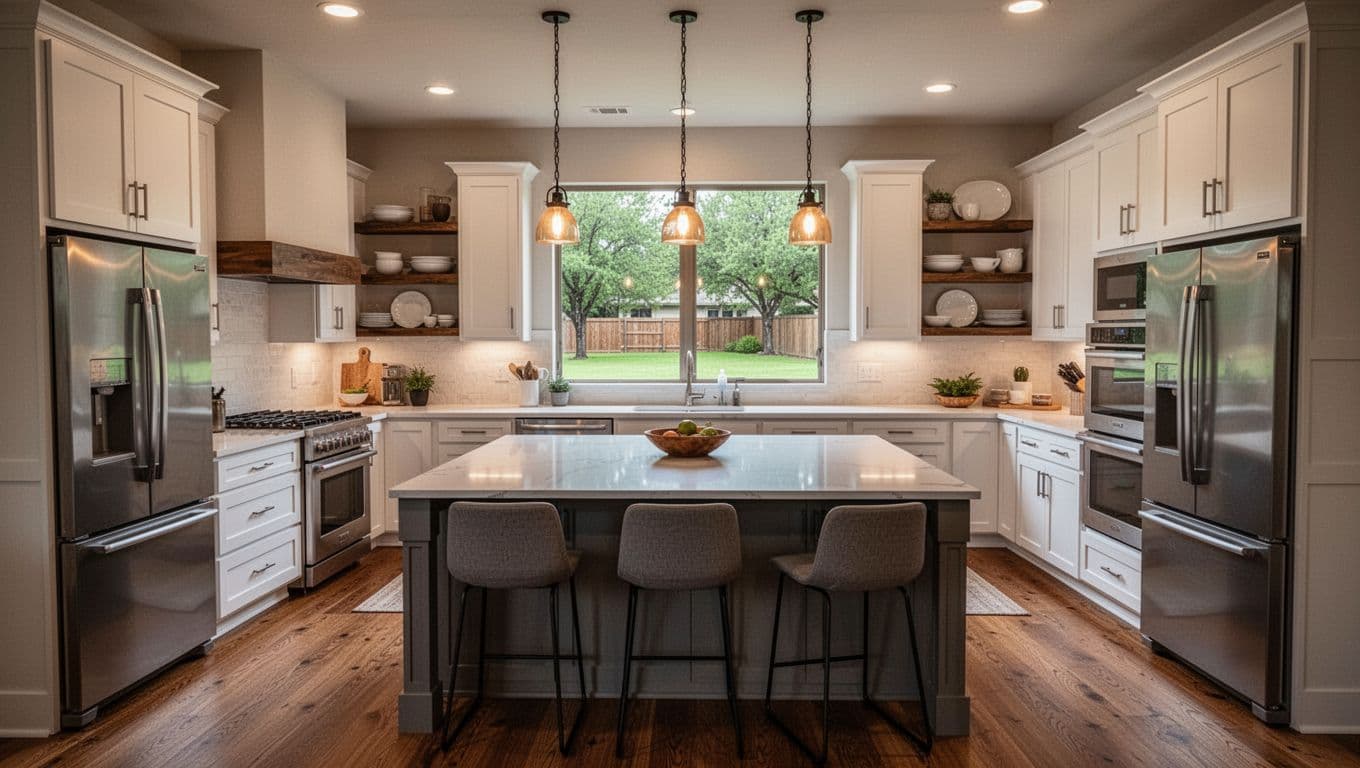
Kitchens often cost the most per square foot. They include cabinets, appliances, plumbing, power, and many finish choices. A bathroom is smaller, but waterproofing and tile work can raise the total fast. New fixtures can also add up.
A hall bath refresh can stay near the low end. Keep the tub, vanity size, and toilet in the same spots. A primary bath usually costs more. Bigger showers, custom glass, better lighting, and upgraded tile raise costs fast.
Whole-home remodels vary the most. Cosmetic work can stay in control. Moving walls or replacing major systems changes the budget fast. If you want numbers for your home, Get Your Free Estimate Today.
Why two similar remodels can price out so differently
Scope drives costs more than anything else. Keeping the same layout often saves money. Crews can reuse plumbing lines, vent paths, and wiring runs. When you move a sink or shower, labor goes up. Removing a load-bearing wall also adds cost.
Finish level matters almost as much. Stock cabinets, standard tile, and basic fixtures help protect your budget. Custom cabinets and slab showers cost more. Large tiles and designer lighting can also raise costs. They also take longer to install.
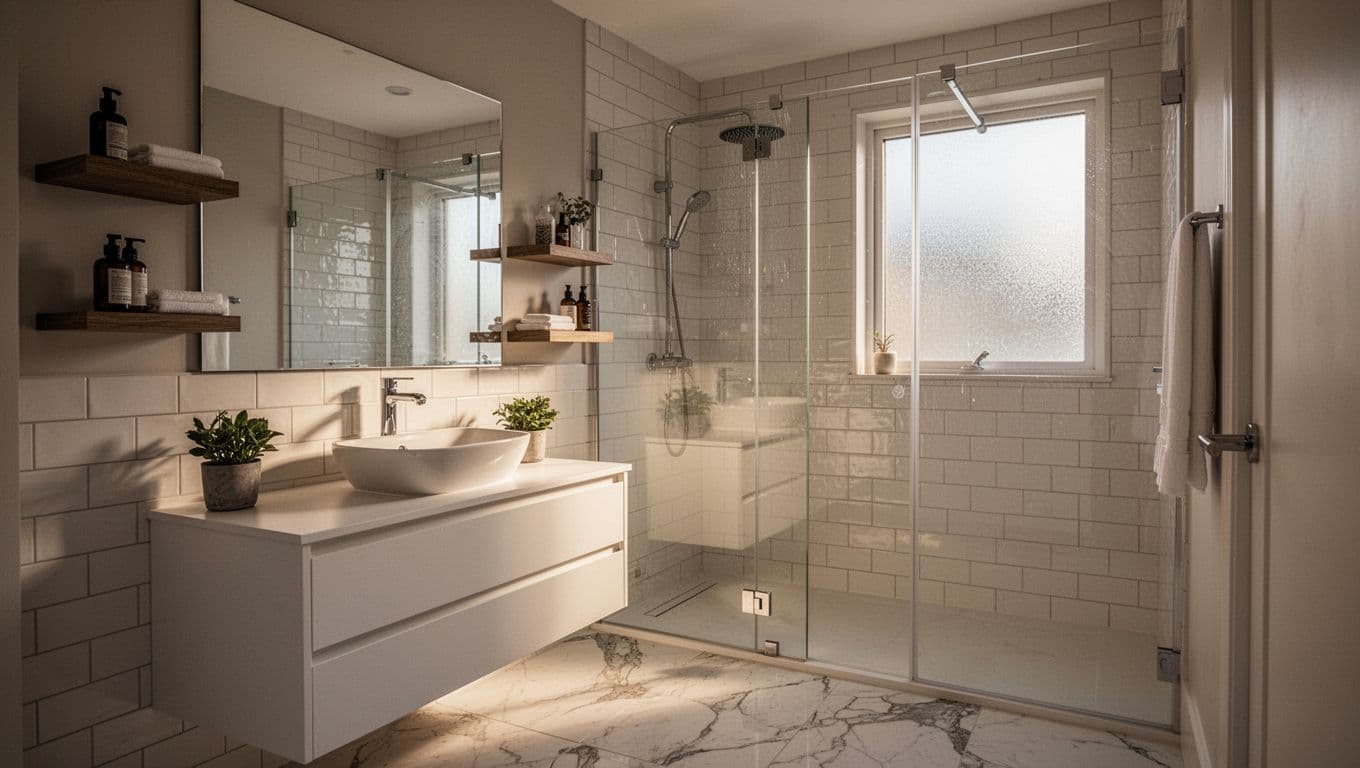
Labor is a major part of most bids. In North Texas, licensed trades often take about half the budget. This is common when you need electrical, plumbing, or HVAC work. That is why a simple bathroom can still cost more than you expect.
Permits also affect price. Review Pilot Point’s residential remodel requirements before demo starts. Structural, plumbing, electrical, and mechanical changes often need permits. Fees and inspections can add about 2 percent to the total.
Opening walls is where remodel budgets often change. Old wiring, hidden leaks, or framing issues can force work you cannot see from the surface.
The age of the home matters, too. Older homes may need updates behind the walls. You may need these fixes before you add new finishes.
Site access can raise labor as well. Long material carries add time. Dust control can add time. Living in the home during work can also slow the job. If you want help sorting wants from true cost drivers, schedule a planning session.
How to budget smarter before you request quotes
Start with a clear scope. Decide what must happen now and what can wait. This step helps you avoid costly changes after work starts.
For the biggest savings, keep plumbing and major walls in place. Pick your finish level early, too. Quotes with loose allowances can look low at first. They often rise after you pick real products.
For additions, size changes hit hard. In North Texas, costs often run $225 to $325 per square foot. Adding 150 square feet costs more than drywall. It can also mean more foundation, framing, roofing, insulation, and HVAC.
Most homeowners should keep a 10 percent contingency at minimum. Older homes may need more. Big layout changes can also need more. Whole-house projects may need more, too. Current data, including the 2026 home repair cost index, shows steady price pressure this year. Waiting does not always make the project cheaper.
When quotes arrive, compare them line by line. Ask what the price includes for demo, haul-off, permits, and allowances. Ask about final punch work, too. Also ask how the contractor handles change orders. Ask this before you sign. If you want a real number instead of rough guesses, talk with a local remodeling team.
Pilot Point remodeling costs are not random. They change with scope, finish level, trade work, permits, and hidden issues behind the walls.
A clear plan often beats the lowest bid. When you define the scope, quotes get clearer. Your budget also gets fewer shocks.