

A home renovation can improve how your house looks, feels, and functions, and it is a smart way to increase resale value for your property. However, the process involves much more than simply choosing finishes. You can expect a sequence of planning, permits, material decisions, trade coordination, construction, inspections, and a final walkthrough.
The right home remodeling contractors keep those steps organized and explain what happens at every stage. With clear communication and a written scope, you can make better decisions and avoid many common surprises throughout the project.
Key Takeaways
- A professional renovation begins with a detailed consultation, scope, budget, and schedule.
- You should expect some dust, noise, access limits, and possible changes after walls open.
- North Texas weather, soil movement, heat, hail, and storm timing can affect the work.
- Effective project management is essential to keep the construction process organized and successful.
- Quality home improvement projects should always be planned with a focus on maximizing your long-term return on investment.
- A written contract protects your budget, expectations, and long-term investment.
Before Construction Begins
Your project starts with a conversation about how you use your home. Whether you need more storage, better natural light, or improved energy efficiency, integrating professional architectural design and interior design services helps prioritize your specific goals before selecting materials or layouts.
Next, the professional provides general contractor services to inspect the existing space. This review includes framing, plumbing, electrical systems, HVAC equipment, windows, flooring, drainage, and the foundation. Home remodeling contractors understand that older homes may contain outdated wiring, previous repairs, or moisture damage that affects the construction plan.
The contractor then prepares a written scope of work. It should describe the work area, materials, allowances, labor, payment schedule, expected timeline, change-order process, and cleanup responsibilities. Ask questions before signing, as a vague scope often creates confusion once construction begins.
Securing necessary permit approvals is essential for structural changes, electrical work, plumbing, additions, or other regulated improvements. Your renovation company should explain which permits and inspections the project needs. You should also confirm that you are hiring licensed and insured contractors who utilize qualified tradespeople.
A good planning meeting with your licensed and insured contractors covers daily details that affect your routine:
- Which rooms will remain accessible?
- Where will workers park and store materials?
- How will dust and debris stay contained?
- Will you live at home during the work?
- Who will approve changes and answer questions?
The home renovation process guide from Great Day Improvements also provides a useful overview of planning, hiring, budgeting, and installation.
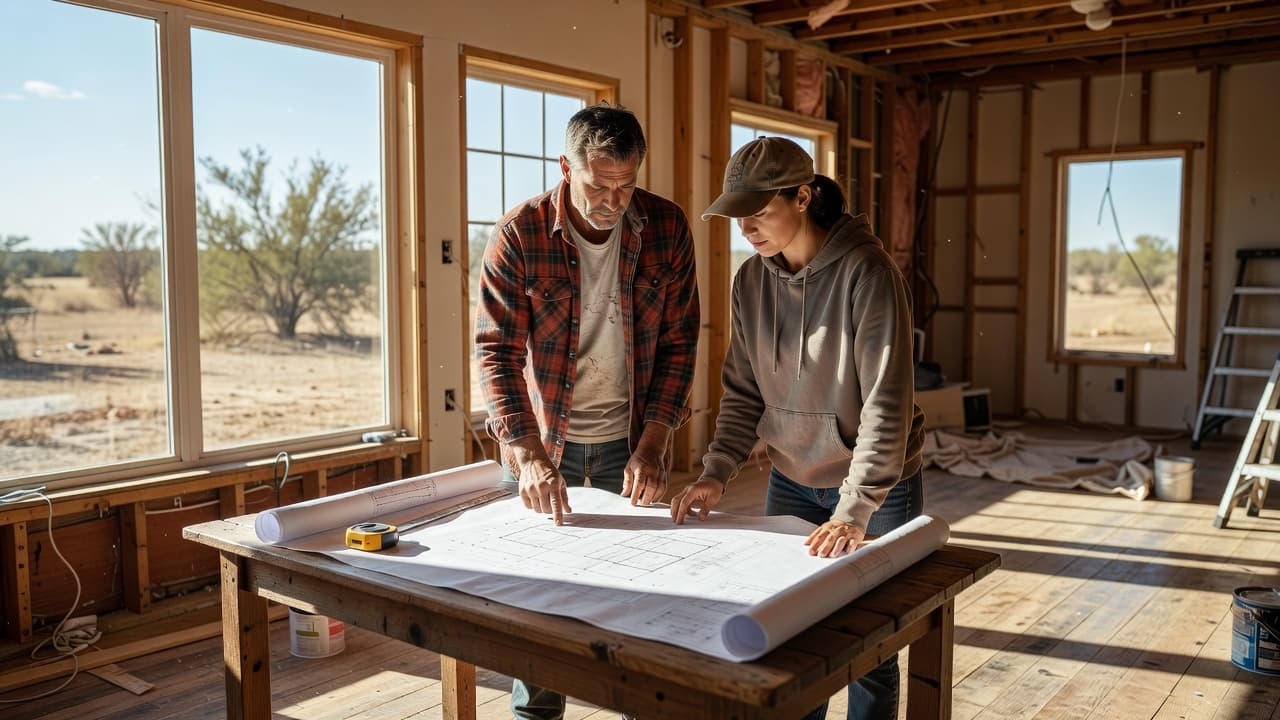
What Happens During the Renovation
Once the plan is approved, the crew prepares the work area. They may protect floors, seal doorways, move furniture, disconnect utilities, and establish a safe path through the house. Even a tidy job creates noise, dust, and temporary disruptions.
Demolition usually comes first. Workers remove cabinets, flooring, drywall, fixtures, or exterior materials that the new design will replace. Demolition can reveal hidden plumbing leaks, damaged framing, uneven subfloors, or outdated electrical work. Your contractor should document these findings and discuss the cost before adding work.
Construction then follows a logical project schedule and timeline. Structural repairs and rough plumbing or electrical work generally happen before insulation, drywall, flooring and tiling installation, and paint. Your team will focus on installing custom cabinetry and countertops once the structural foundation is secure.
You should receive regular updates during each phase. A project manager may share photos, schedule changes, inspection results, and decisions that need your approval. Responding promptly helps prevent material delays and added labor.
Material availability can affect the progress. Popular windows, tile, and plumbing fixtures may require advance ordering. Your contractor should identify long-lead items early, especially if your home has custom sizes or unusual design requirements.
The same process applies to several common projects:
- Replacement windows require accurate measurements, weather sealing, trim work, and careful installation.
- Kitchen and bathroom remodeling can involve waterproofing, ventilation, plumbing changes, and lighting. These projects often require custom cabinetry and countertops to meet specific design goals.
- Cedar patio covers and pergolas for your exterior renovation require proper attachment, drainage planning, and attention to wind exposure.
- Outdoor living spaces and home additions may include electrical service, gas lines, concrete, lighting, fire features, or an outdoor kitchen.
- A master suite renovation or a luxury home renovation often involves complex layouts that require careful project coordination.
The JBN Group coordinates these home improvement services through one project team. That arrangement can simplify residential remodeling or a complete whole-home renovation when your plans include both interior upgrades like kitchen and bathroom remodeling and significant exterior work.
North Texas Conditions Affect the Plan
North Texas homes face intense summer heat, strong ultraviolet exposure, sudden storms, hail, and periods of heavy rain. These environmental factors necessitate careful material selection, making informed choices for any exterior renovation vital to the longevity of your property. Exterior paint, roofing products, window seals, patio materials, and drainage details must all be designed to withstand this specific local climate.
Many properties in Denton County sit on soil types that expand and shrink significantly with moisture changes. Because this movement can lead to cracks, sticking doors, uneven surfaces, or drainage issues, professional residential construction requires specialized knowledge to address these foundation concerns. A contractor should inspect visible signs of movement and recommend an appropriate evaluation before covering them with new finishes.
Storm timing also plays a significant role in scheduling. A crew may need to adjust exterior work when rain, high winds, or extreme heat creates unsafe conditions. Properly protecting exposed areas becomes especially important when a project involves roofing, siding, windows, or patio construction.
Local home styles also shape renovation decisions. You may be updating a brick ranch in Denton, a newer two-story home in Little Elm, or a larger property in Southlake, Trophy Club, or Flower Mound. A practical design should fit the existing structure, neighborhood character, and the way you use the property.
When you begin searching for a partner for your home improvement projects in Denton or surrounding areas, look for a contractor with proven local experience rather than a broad service-area list alone. A qualified North Texas contractor should understand local permitting practices, weather exposure, common construction methods, and the unique needs of communities such as Highland Village, Lewisville, Northlake, Bartonville, Double Oak, Copper Canyon, Roanoke, Grapevine, Keller, Frisco, and Carrollton. Whether you are looking for an Argyle TX contractor, a Flower Mound contractor, or a Corinth contractor, prioritizing local expertise ensures your project is handled with a deep understanding of the region.
Budget Changes and Project Communication
When planning your renovation, you should start by requesting a free remodeling estimate that covers every phase of the project, including design work, permits, demolition, labor, and cleanup. A professional renovation budget includes much more than just visible materials. It should account for debris disposal, inspections, temporary protection, and necessary finish repairs. Always clarify whether your quote includes taxes, specific allowances, and subcontractor labor.
Allowances require careful attention. An allowance is a budget amount set aside for an item you have not selected yet, such as tile, lighting, or plumbing fixtures. Because the design-build process is designed to align your vision with your budget, your contract should clearly explain how price differences are handled if you choose products that exceed those initial amounts. By utilizing a design-build process, you create a more cohesive workflow that bridges the gap between initial concepts and final construction.
Some budget changes are predictable, while others only appear after demolition begins. Every adjustment requires a written change order that details the added work, price adjustments, material changes, and the impact on your timeline. Avoid approving major changes through informal texts, as you need a clear, documented record of all modifications.
You also need one reliable point of contact for your home renovation. High quality general contractor services provide this stability by keeping you informed about when crews will arrive and which decisions are currently due. Through proactive project management, your contractor can communicate schedule adjustments or inspection requirements before they become problems. Consistent, clear communication protects the professional relationship and ensures you have enough time to make informed choices for your home.
The JBN Group is a family owned contractor that manages projects for homeowners who want one accountable team. You can Contact The JBN Group to discuss your scope, priorities, and property.
Final Walkthrough and Long-Term Care
Near completion, the crew checks trim, paint, doors, fixtures, flooring transitions, caulk lines, hardware, lighting, and exterior details to ensure the quality craftsmanship you expect. You should walk through each area with the project manager and record any incomplete or damaged items on a punch list.
The contractor then addresses those items, removes debris, confirms equipment operation, and provides available product information or warranty documents. Keep records for tile, paint colors, flooring, windows, appliances, and mechanical equipment.
Your maintenance needs depend on the project. When caring for your new flooring and tiling installation, always use the manufacturer’s recommended products. You should also inspect exterior sealants, keep patio drainage clear, and check bathroom exhaust fans regularly. Schedule repairs early when you notice leaks, drafts, cracked grout, or water collecting near the foundation.
Quality craftsmanship includes how the finished work performs after the crew leaves. Professional installation and sensible maintenance help protect that investment for years to come.
Conclusion
A successful residential construction project relies on a clear path before building begins and dependable communication while work is underway. You can expect to navigate various decisions, inspections, dust, and potential schedule changes, but keeping your goals in mind will help you stay focused on the final result.
The best outcomes come from choosing home remodeling contractors who prioritize quality craftsmanship, honest pricing, and long-term customer satisfaction. When you are ready to move forward with your plans, Request Your Free Consultation with The JBN Group.
Frequently Asked Questions
How long does a home renovation take?
The timeline depends on the project size, permits, material availability, and hidden conditions. Your contractor should provide a written project schedule and timeline, which they should update whenever conditions change.
Should you stay in your home during remodeling?
You may stay during smaller projects with contained work areas. For major demolition, whole-home remodeling, or projects without working plumbing, temporary housing may be more comfortable.
What should you remove before work begins?
Remove valuables, wall decor, fragile items, and furniture near the work area. Ask the crew what they will move and what you need to store elsewhere.
Do you need a permit for remodeling?
Some projects need permits, especially those involving structure, plumbing, electrical systems, home additions, or major layout changes. Your contractor should identify the requirements for your location and manage all necessary permit approvals.
How should you compare renovation estimates?
Compare the written scope, materials, allowances, exclusions, labor, schedule, warranty terms, and payment plan. The lowest price may omit work that another estimate includes.
What is a change order?
A change order records a client-approved adjustment to the original scope. It should show the new cost, work description, and effect on the schedule.
Can you renovate several areas at once?
Yes, if the budget, schedule, and household routine support it. A single remodeling contractor can coordinate complex whole-home renovation projects, including kitchen and bathroom remodeling, under one plan. By consolidating services, you can efficiently manage kitchen and bathroom remodeling, home additions, and flooring and tiling installation simultaneously. Whether you are planning a large-scale kitchen and bathroom remodeling effort or structural home additions, working with one team ensures better project oversight.
How do you protect your furniture during construction?
Crews can use plastic barriers, floor protection, sealed vents, and designated access paths. You should still move sensitive items away from vibration, dust, and temperature changes.
What should you ask a contractor before hiring?
Ask about insurance, permits, project supervision, subcontractors, payment terms, change orders, cleanup, references, and warranty coverage. You should also confirm who will communicate schedule updates.
How can you maintain renovated areas?
Follow product care instructions, control bathroom moisture, inspect exterior caulk, clean gutters, and address leaks quickly. Small maintenance tasks help prevent larger repairs.
What makes The JBN Group different for renovation work?
The JBN Group coordinates multiple home improvement services through one team, including professional general contractor services, interior remodeling, windows, flooring, patios, roofing, and outdoor projects. The process begins with a consultation and a defined project scope.
How can you schedule a renovation consultation?
You can Call The JBN Group Today at 469-312-0990 or request a consultation online. A clear conversation about your goals is the first step toward a well-managed renovation.