
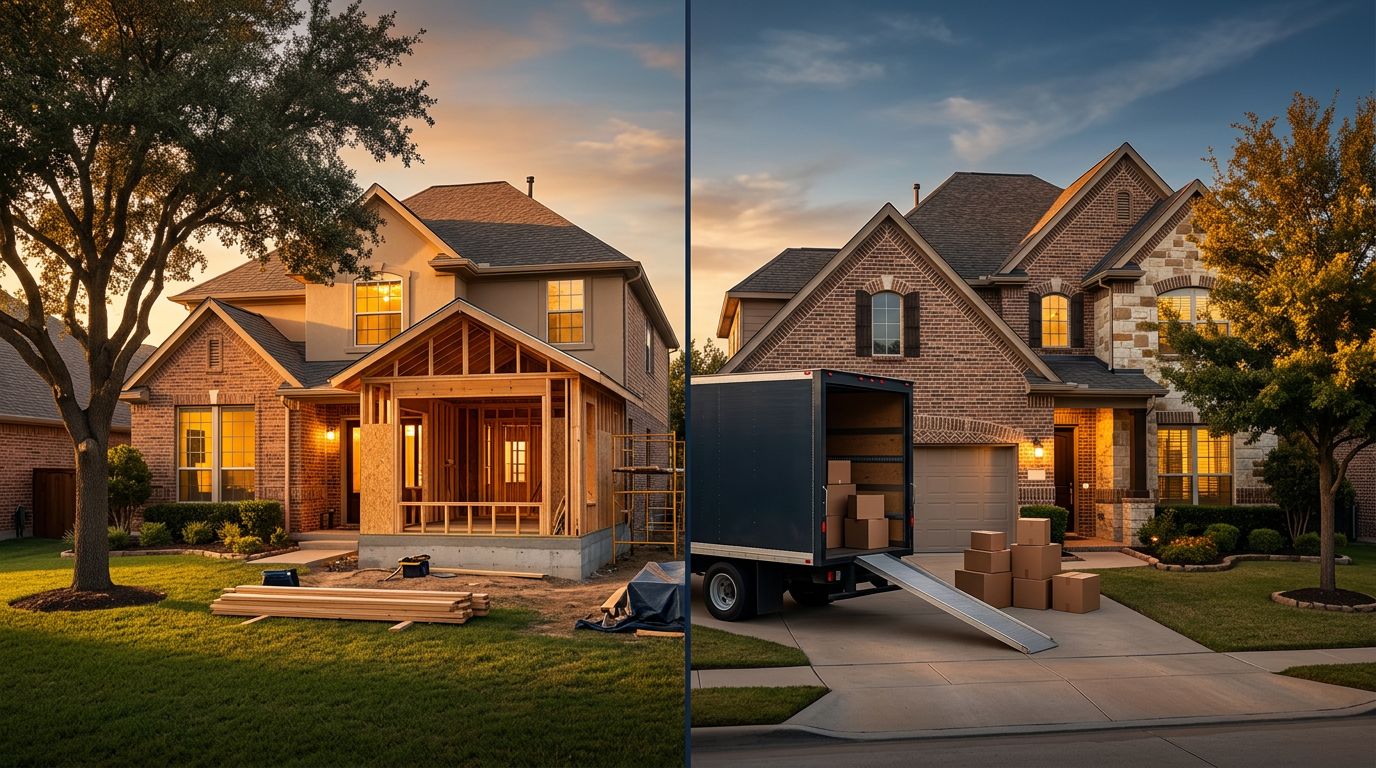
Your home may need another bedroom, a quieter office, or more room for family, but moving brings its own price tag. Comparing home addition vs moving costs requires more than looking at a contractor’s estimate or a moving company’s quote.
In North Texas, your decision also depends on property values, closing costs, interest rates, lot size, foundation conditions, and the features you already enjoy. A careful comparison can show whether improving your current home makes more financial sense than buying another one.
Home Addition vs Moving Costs: Compare the Full Picture
The biggest mistake homeowners make is comparing the cost of an addition with the cost of hiring movers. The truck and labor are only a small part of relocating.
Texas moving costs can range from about $424 to $3,435, depending on the size and distance of the move. Local moving companies may charge hourly rates, with larger homes requiring more workers and more time. Selling and purchasing a home creates much larger expenses.
You may pay for repairs before listing, staging, real estate commissions, inspections, lender fees, title services, and closing costs. You may also pay to store furniture, replace window coverings, buy appliances, or make immediate repairs in the new house.
One Texas comparison estimated $50,000 or more in total transaction costs before a homeowner gains additional living space. On a $500,000 home, another estimate placed total selling and moving friction between $54,000 and $119,000. Your actual amount depends on the property, loan, market conditions, and negotiated fees.
A home addition has a higher visible price, but it gives you a specific amount of usable space without selling your property. Texas additions commonly fall into these planning ranges:
| Project type | Common 2026 planning range |
|---|---|
| Basic ground-level addition | $80 to $130 per square foot |
| Standard finished addition | $130 to $175 per square foot |
| Premium addition | $175 to $250 or more per square foot |
| Second-story addition | $130 to $200 or more per square foot |
| Moving labor only | About $424 to $3,435 statewide |
These figures are starting points, not bids. A 400-square-foot addition might cost much less than a major second-story project, while a move into a larger home may require a far larger purchase.
The 2026 Texas Real Estate Forecast from Texas A&M’s Texas Real Estate Research Center can help you review broader market conditions before making a decision.
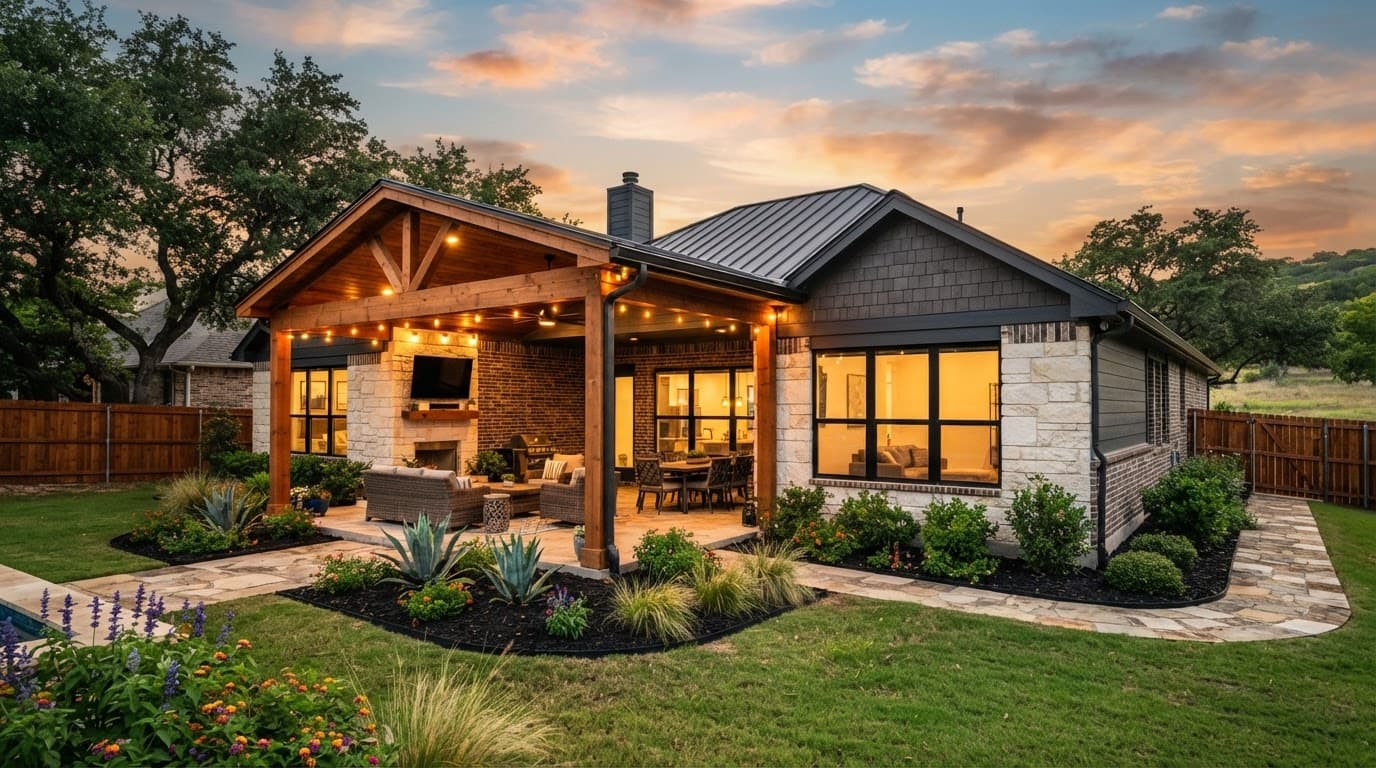
What a North Texas Home Addition Really Costs
The size of an addition matters, but it isn’t the only cost driver. A new room must connect to your home’s foundation, framing, roof, electrical system, heating and cooling, and exterior finishes.
A ground-level bedroom addition usually costs less than a second-story addition because the upper level may require structural reinforcement, a new staircase, roof changes, and more complex framing. A bathroom or kitchen addition also costs more than a simple bedroom because of plumbing, cabinets, fixtures, ventilation, and waterproofing.
North Texas construction adds regional concerns. Many lots contain clay soil that shifts as moisture levels change. Poor drainage can create foundation stress, so the project may need grading, drainage improvements, or engineering before construction begins.
You should also budget for:
- Architectural plans and structural engineering
- Permits, inspections, and HOA approval
- Foundation work and slab preparation
- HVAC equipment, ductwork, and electrical upgrades
- Roof tie-ins, siding, brick, or stucco matching
- Interior flooring, paint, trim, and built-ins
- Temporary protection for the occupied part of the house
A 2026 room addition cost guide places many additions between $80 and $200 per square foot, with premium projects exceeding that range. Local labor, material choices, access, and site conditions can move your project well above or below a broad national estimate.
Ask whether each proposal includes design, permitting, demolition, cleanup, finish materials, and final inspections. A low estimate may exclude work you still need to pay for.
What Moving Costs Beyond the Moving Truck
Moving may be the better choice when your current property cannot support the space you need. Still, you should calculate the complete cost before listing your home.
Start with your current home’s likely sale price and equity. Then subtract your mortgage payoff, selling expenses, repairs, moving costs, and any concessions. Next, estimate the purchase price of a suitable replacement home, along with the down payment, closing costs, inspections, immediate repairs, and furniture changes.
Your monthly payment may also change. A larger home can bring higher property taxes, insurance premiums, utility bills, and maintenance costs. If you move into a newer subdivision, you may gain modern systems but lose mature trees, established landscaping, or a convenient commute.
North Texas buyers also face neighborhood-specific differences. A larger home in Frisco, Little Elm, or Trophy Club may carry a different price than a similar property in Denton, Lewisville, or Carrollton. The right comparison uses homes with similar lot sizes, school considerations, condition, and travel time.
Selling can also take longer than expected. If the home needs repairs, you may delay the listing or accept a lower offer. Meanwhile, buying another property can create a short window where you own two homes or need temporary housing.
When Adding Space Makes More Sense
An addition often works well when you like your neighborhood and your lot can support the design. You keep your existing mortgage, commute, schools, neighbors, trees, and familiar floor plan while fixing the space problem.
The strongest candidates usually have one clear need. Examples include:
- A bedroom addition for a growing family
- A home office separated from busy living areas
- A larger family room for daily use
- A guest suite for an aging parent
- A laundry room, mudroom, or storage expansion
- A covered outdoor area for North Texas heat
Your property must still meet setbacks, drainage rules, easements, and HOA requirements. A professional feasibility review can identify these limits before you pay for detailed plans.
An addition can also improve how your home functions without requiring a full renovation. You might add a bedroom, update nearby flooring, improve insulation, and replace older windows in the same project. That combination may produce a better daily result than moving into a larger house that still needs repairs.
The North Texas home addition ROI guide discusses how layout, quality, and buyer demand affect resale value. You shouldn’t assume every dollar returns at sale, but a well-planned addition can make your home more useful and marketable.
When Moving Is the Better Financial Choice
Moving may make more sense when the addition would solve only one problem while creating several others. A small lot, restrictive easement, aging foundation, poor drainage, or limited parking can make expansion costly.
You may also need a different location rather than more square footage. A shorter commute, a different school zone, access to medical care, or proximity to family can outweigh the value of staying put.
Compare the cost of a major renovation with the price difference between your current home and a property that already has the needed features. If you need a second story, a larger garage, a new kitchen, multiple bathrooms, and major structural repairs, buying a suitable house may provide a cleaner financial result.
Moving can also be the practical answer when your current home has persistent moisture issues, outdated systems, or a layout that cannot be changed without extensive demolition. A renovation company can review those conditions, but you should still compare the repair scope against available homes.
The goal is not to make the cheapest short-term choice. You want the option that gives you usable space, manageable payments, and a property you can maintain for years.
North Texas Features That Change the Decision
North Texas weather affects both additions and replacement homes. Hot summers place heavy demand on air conditioning, while hail, wind, heavy rain, and occasional freezes test roofing, siding, windows, and exterior drainage.
A new addition should have proper insulation, air sealing, flashing, and roof ventilation. Poor connections between old and new construction can create leaks, uneven temperatures, or premature material failure.
Older homes may benefit from replacement windows before you add square footage. Better-performing windows can reduce drafts and solar heat gain, but they won’t correct every insulation or HVAC problem. Ask for a whole-home review instead of treating windows as a stand-alone fix.
Interior finishes matter, too. Durable flooring installation can connect the new room with existing areas, while bathroom remodeling may create the extra function your family needs without a full addition. A refreshed bathroom often costs less than adding a bedroom suite, although plumbing changes still require careful planning.
Outdoor space can solve some of the same problems as an interior addition. Custom cedar patio covers, pergolas, outdoor kitchens, and shaded outdoor living spaces can give you more room for meals, guests, and everyday relaxation. These improvements don’t replace conditioned space, but they may reduce pressure on crowded rooms.

How to Compare Both Options Before You Commit
You can make a better decision by pricing both paths with the same level of detail. Start with a written list of what your household needs now and what may change within five years.
Then follow these steps:
- Measure the space you need, not the largest project you can imagine. A 250-square-foot office and a 600-square-foot suite create very different budgets.
- Ask a qualified contractor to review your lot, foundation, roof, utilities, setbacks, and drainage.
- Request a current market analysis from a licensed real estate professional for your home’s likely sale price and replacement options.
- Add every moving expense, including repairs, commissions, closing costs, storage, temporary housing, and immediate work at the new property.
- Compare monthly payments, taxes, insurance, utilities, maintenance, and project financing.
- Keep a contingency for concealed conditions, material changes, and permit-related revisions.
The contractor’s proposal should show allowances and exclusions. It should also identify who handles permits, inspections, design changes, trade coordination, cleanup, and warranty work.
A reliable home improvement contractor will explain the scope in plain language. You should know what happens first, what materials are included, and how decisions affect the schedule.
The same standard applies whether you hire a Denton County contractor for an addition or a remodeling contractor for a bathroom, windows, or flooring. Check licensing where applicable, insurance coverage, references, written contracts, and project communication practices.
Choosing a North Texas Contractor for the Work
The JBN Group is a North Texas general contractor for homeowners who want one accountable team for planning, trade coordination, construction, and final walkthroughs. A full-service home remodeling company can help you compare an addition with smaller improvements before you commit to a large project.
For replacement windows, JBN Windows is the appropriate service resource. JBN Flooring fits projects that need new materials installed across an existing home and addition. JBN Bathroom Remodeling is a better match when an updated bathroom can solve your space problem without expanding the footprint.
The JBN Group also handles larger home improvement services, including room additions, whole-home renovation, roofing, patio covers, outdoor kitchens, and exterior work. That broad scope can reduce the confusion of coordinating several companies.
Look for a trusted contractor who gives you clear pricing, realistic schedules, professional installation, and documented change orders. Quality craftsmanship matters, but so does the way the contractor communicates when conditions change.
A family owned contractor may also offer a more direct working relationship, although you should still verify experience, insurance, and references. Ask how the company handles subcontractors and who will answer questions during construction.
Whether you need a Denton TX contractor, Argyle TX contractor, Flower Mound contractor, or Corinth contractor, local knowledge helps. The same planning standards apply across Highland Village, Lewisville, Northlake, Bartonville, Double Oak, Copper Canyon, Trophy Club, Roanoke, Southlake, Grapevine, Keller, Frisco, Little Elm, Carrollton, and nearby communities, but each property has its own site conditions and local requirements.
Frequently Asked Questions
Is a home addition cheaper than moving in 2026?
It can be, especially when you include commissions, closing costs, repairs, and the cost of buying a larger home. A simple addition may cost less than the transaction costs of selling and purchasing. A large second-story project may cost more than moving.
What is the average cost of a home addition in North Texas?
Many Texas additions fall between $80 and $350 or more per square foot, depending on the design and finish level. Ground-level projects often cost less than second-story additions. Dallas-area project totals can range from tens of thousands to several hundred thousand dollars.
How much does it cost to move within Texas?
Moving labor alone may cost about $424 to $3,435. The final amount depends on home size, distance, packing needs, stairs, storage, and the number of workers. Selling and buying expenses create the larger financial impact.
Does an addition increase property taxes?
It may increase your home’s assessed value after the improvement is recorded. Contact the Denton County Appraisal District or your local appraisal district for guidance about your property and tax situation.
Will an addition increase my home’s resale value?
A well-designed addition can improve function and buyer appeal, but you may not recover every dollar spent. Layout, workmanship, neighborhood demand, maintenance, and project size all affect resale results.
What type of addition usually costs the least?
A simple ground-level room with short utility runs and standard finishes often costs less than a bathroom, kitchen, or second-story addition. Site access and foundation conditions can change that comparison.
Is a second-story addition worth the cost?
It can work when your lot has limited expansion room and your foundation can support the design. Structural engineering, stair construction, roof changes, and occupant disruption make these projects more complex.
Should you remodel before moving?
Ask whether the work fixes a specific problem and fits your long-term plans. If you expect to move soon, focus on improvements that protect condition and buyer appeal rather than highly personal upgrades.
Can a patio cover replace an addition?
A patio cover or pergola cannot provide conditioned interior space, but it can add shade and usable room for entertaining. It may be a practical choice when your main need involves outdoor gatherings.
How long does a home addition take?
The schedule depends on design, permits, material availability, weather, foundation work, and project size. Ask for a written schedule that separates planning, permitting, construction, inspections, and final completion.
Should you hire one contractor for several improvements?
One accountable contractor can reduce scheduling conflicts between separate trades. You should still verify that the contractor has experience with each service, including roofing, windows, flooring, bathrooms, and structural additions.
What should an addition estimate include?
A complete estimate should identify design, permits, demolition, foundation, framing, roofing, utilities, insulation, drywall, finishes, cleanup, inspections, warranties, allowances, and exclusions. Ask about potential change orders before signing.
Does North Texas weather affect addition planning?
Yes. Heat, hail, wind, heavy rain, freezes, drainage, and shifting clay soils affect materials and construction details. Proper flashing, insulation, grading, roof connections, and HVAC planning help protect the finished space.
How can you compare your options with a professional?
You can Contact The JBN Group for a project discussion that considers your home, lot, goals, and budget. When you’re ready, Request Your Free Consultation or Call The JBN Group Today to discuss whether adding, remodeling, or moving fits your plans.
Conclusion
The right answer depends on your home’s condition, your lot, your finances, and how long you plan to stay. A modest addition or targeted renovation may cost less than the selling and buying expenses attached to a move. A major structural project may point you toward another property instead.
Price both choices carefully, include the costs that don’t appear in a moving quote, and ask a qualified North Texas contractor to review the property’s real limitations. The best decision gives you more usable space without creating a payment or maintenance burden you don’t want.