
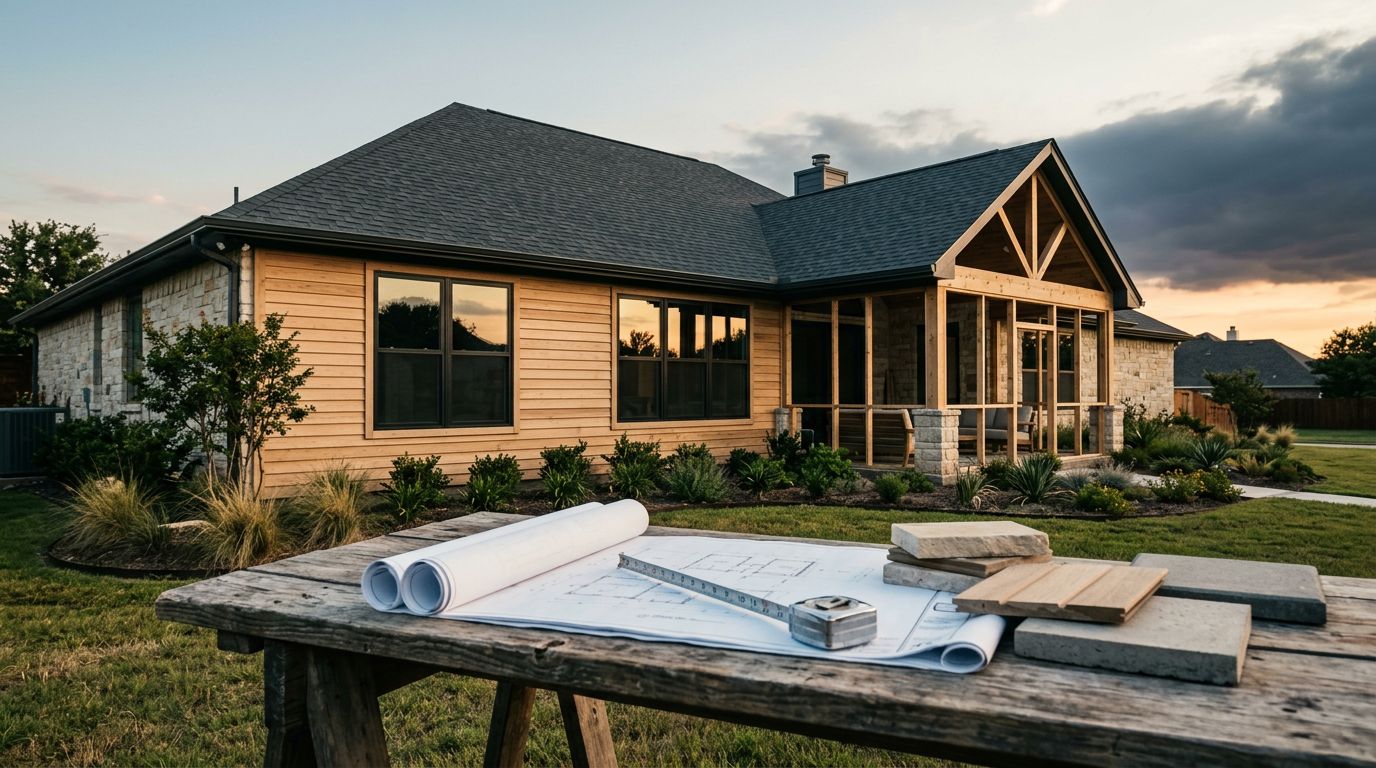
A successful remodel in North Texas starts long before demolition begins. You need a clear scope, a realistic budget, durable materials, and a contractor who understands local weather, soil, permits, and home styles.
Hot summers, sudden freezes, hail, expansive clay soil, and fast-growing communities can affect how your project is designed and built. Whether you’re updating a home in Denton, adding outdoor space in Argyle, or remodeling a bathroom in Flower Mound, local planning matters. These steps will help you make informed decisions and avoid expensive surprises.
Key Takeaways
- Plan around North Texas heat, hail, freeze events, drainage, and expansive clay soil.
- Choose materials and systems for long-term performance, not appearance alone.
- Confirm permits, insurance, project management, and trade coordination before work begins.
- A full-service remodeling partner can manage windows, flooring, bathrooms, roofing, and outdoor improvements under one plan.
- Clear communication and quality craftsmanship matter as much as the finished design.
Set Your Remodeling Goals Before You Set a Budget
Start with the problem you want your home renovation to solve. Maybe your floor plan feels cramped, your windows raise energy concerns, or your patio sits unused during much of the year. A clear goal keeps design and spending decisions connected.
Separate your needs from your preferences. Replacing damaged subflooring is different from selecting a new flooring color. Correcting poor bathroom ventilation is different from choosing a freestanding tub. When you identify the underlying issue first, your remodeling contractor can recommend the right solution.
Walk through your home with a notebook and record:
- Rooms that need structural, electrical, plumbing, or cosmetic work
- Features you want to keep
- Problems that worsen during summer heat, winter freezes, or heavy rain
- Storage, lighting, and accessibility needs
- Improvements that should happen together
You should also decide how long you plan to stay. If you expect to remain for many years, comfort, durability, and maintenance deserve more weight. If you may sell soon, focus on improvements that fit the neighborhood and appeal to future buyers without overbuilding.
A whole-home project needs a written scope. That document should describe materials, finishes, demolition, structural work, fixtures, allowances, cleanup, inspections, and final completion standards. Without it, two estimates may appear different even when they cover similar work.
Match the Project to Your Home’s Style
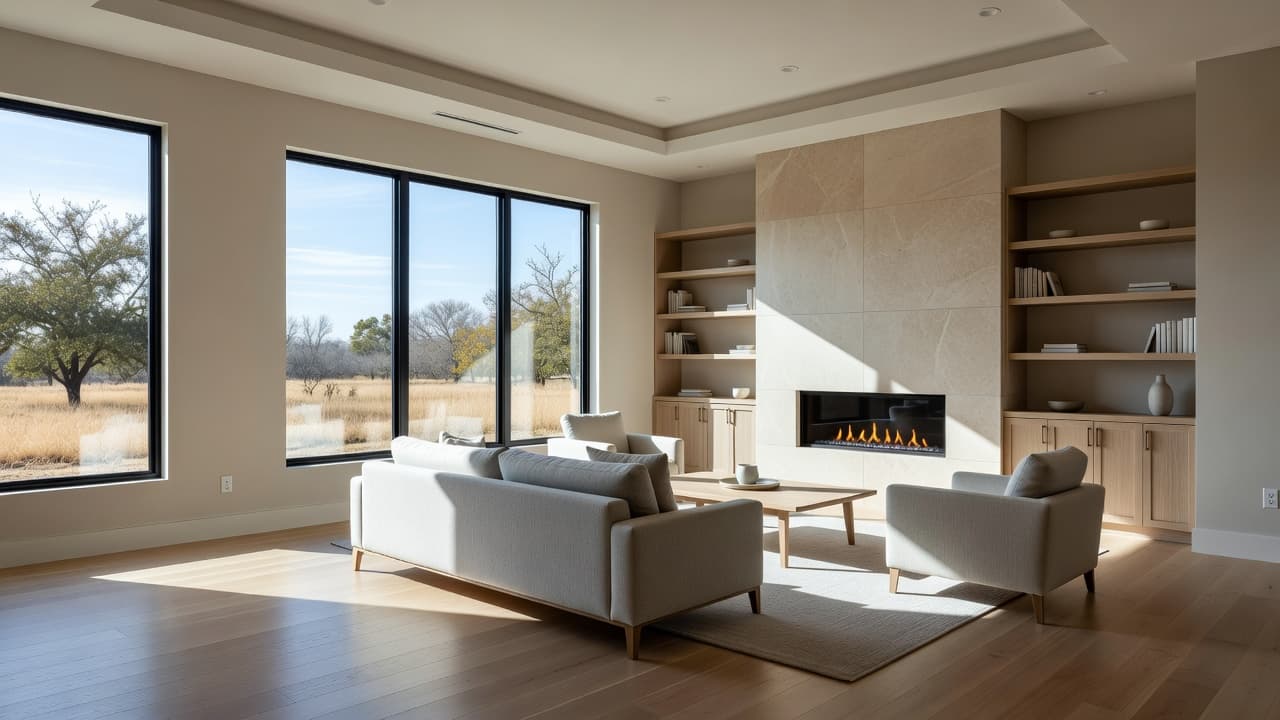
North Texas homes vary widely. You may own a 1970s ranch in Lewisville, a brick suburban home in Little Elm, a newer property in Northlake, or a custom home near Southlake. Your improvements should respect the home’s proportions and the surrounding neighborhood.
That doesn’t mean every room must look dated or traditional. It means the new work should feel intentional. Window proportions, brick color, rooflines, trim, flooring transitions, and exterior materials all affect the final result.
A skilled home improvement contractor can help you update the house without creating a disconnected collection of finishes. That planning becomes especially important when you combine interior remodeling with replacement windows, exterior work, or a new patio cover.
Design for North Texas Weather and Soil
North Texas weather affects nearly every part of a remodeling project. Summer heat places stress on windows, roofs, siding, HVAC systems, and outdoor materials. Winter freezes can affect plumbing and exterior surfaces. Hail and strong storms can damage roofing, screens, gutters, and patio structures.
Expansive clay soil also deserves attention. As moisture levels change, the soil can swell and shrink. That movement may contribute to cracks, sticking doors, uneven floors, or drainage problems. You shouldn’t assume every crack indicates a major foundation issue, but structural changes and additions deserve proper evaluation.
When a project changes the structure, adds substantial weight, or alters drainage, ask how the design accounts for soil movement. Your North Texas contractor should explain when an engineer, geotechnical report, or additional inspection is needed. Local requirements vary, so your city or county building department remains the final source for permit rules.
Improve the Building Envelope
A comfortable home depends on more than the air conditioner. Air leaks around windows, doors, recessed lights, attic access panels, and plumbing penetrations can increase cooling costs and make rooms feel uneven.
Attic insulation, air sealing, duct condition, and window performance should work together. If you replace windows but leave major attic or duct problems untouched, you may not get the comfort improvement you expect.
The North Texas home remodeling tips available from Marcontell Gilchrest also point to energy efficiency as a key concern in this climate. Discuss U-factor, solar heat gain coefficient, glass type, frame material, and installation details rather than choosing windows by appearance alone.
For replacement windows, double-pane glass and low solar heat gain can help reduce unwanted heat. Proper flashing and sealing matter just as much as the window itself. Poor installation can allow water intrusion even when the product is well made.
Protect Exterior Improvements
Roofing, siding, patio covers, and decks need materials that can handle sun, wind, moisture, and temperature swings. Your renovation company should explain how fasteners, flashing, underlayment, drainage, and ventilation will work together.
Outdoor structures also require careful attachment. A cedar patio cover or pergola should connect to the home and foundation according to the design, not rely on improvised supports. Water should drain away from the structure, and posts should receive suitable protection at ground-level connections.
Plan shade before you select outdoor furniture or appliances. A roof, ceiling fan, screened section, retractable shade, or outdoor-rated lighting can make a patio more comfortable. The realtime climate research provided for North Texas recommends reserving part of an outdoor project budget for climate control features such as fans, shades, and heating.
Choose a Remodeling Contractor You Can Hold Accountable
The contractor you choose will affect your schedule, budget, materials, and daily experience. A trusted contractor should give you clear answers before you sign an agreement.
Ask whether the company handles design coordination, permits, material ordering, subcontractors, inspections, and final corrections. If you need to coordinate a plumber, electrician, flooring crew, window installer, roofer, and patio builder yourself, delays become more likely.
The JBN Group is a Denton-based home remodeling company that manages projects across Denton County and the Dallas-Fort Worth area. Its home improvement services include residential remodeling, bathroom remodeling, replacement windows, flooring, roofing, room additions, outdoor kitchens, and patio covers.
You should also confirm:
- General liability and workers’ compensation coverage
- Written estimates with allowances and exclusions
- Payment milestones tied to completed work
- Who obtains permits and schedules inspections
- How change orders are priced and approved
- Who handles cleanup and warranty questions
- How the company communicates during construction
A family owned contractor often offers a more direct communication path, but ownership alone isn’t enough. Look for organized project management, references for similar work, and evidence of professional installation.
For a larger remodel, ask who your day-to-day contact will be. You need one person who can explain schedule changes, material substitutions, inspection results, and decisions that affect the final cost.
You can Contact The JBN Group to discuss your scope, property, and priorities before selecting a project path.
Build a Practical Budget and Permit Plan
Your budget should cover more than cabinets, tile, paint, or fixtures. Include demolition, structural repairs, electrical updates, plumbing changes, ventilation, disposal, permits, inspections, design support, and temporary living arrangements.
Material availability can also affect your schedule. Before approving a finish, confirm its lead time and identify an acceptable backup. This is especially important for custom windows, specialty tile, cabinets, appliances, and large exterior materials.
Keep a reserve for concealed conditions. Older homes may contain damaged framing, outdated wiring, cast-iron drain lines, poor insulation, or water damage behind walls. Your contractor should explain how the team will document those conditions and price the required correction.
Permits may apply to structural alterations, additions, roofing work, electrical changes, plumbing, mechanical systems, and new windows, depending on the city and project scope. Major work in Denton, Argyle, Corinth, Flower Mound, or another municipality may follow different local procedures.
The Texas Minimum Construction Standards are useful background material, but they don’t replace local code requirements or project-specific review. Ask your contractor which department will review the plans and when inspections will occur.
A sensible construction sequence usually looks like this:
- Consultation, measurements, site review, and project goals
- Design development, selections, pricing, and contract approval
- Permit applications, ordering, and schedule confirmation
- Demolition, structural work, and rough plumbing or electrical
- Insulation, drywall, flooring, cabinets, fixtures, and finish work
- Exterior construction, final inspections, punch list, and walkthrough
Outdoor work can slow during extreme summer heat or winter storms. Order long-lead materials early, and keep the schedule flexible enough for weather-related delays.
Select Improvements That Fit North Texas Homes
A good remodel should improve how you use the home every day. It should also reduce avoidable maintenance and support long-term value.
Replacement Windows
Replacement windows can improve comfort, appearance, ventilation, and noise control. Look for a product that fits your home’s existing openings and climate needs. Ask about glass coatings, frame durability, warranty coverage, drainage, flashing, and trim repair.
Your installer should inspect the opening before ordering. Rot, water damage, uneven framing, and outdated flashing may require correction first. Professional installation protects the product’s performance and reduces the risk of leaks.
Flooring Installation
Flooring installation needs to account for moisture, slab condition, transitions, and daily traffic. Concrete slabs may have cracks, low areas, or moisture concerns that affect wood, luxury vinyl plank, tile, or carpet.
Before installation, verify acclimation requirements, expansion gaps, subfloor preparation, and transition locations. In open floor plans, consistent flooring can make rooms feel larger, but tile may work better in wet areas and high-traffic entry zones.
The right flooring depends on your pets, children, maintenance preferences, and room use. A durable product still needs correct preparation and installation.
Bathroom Remodeling
Bathroom remodeling often combines plumbing, electrical, ventilation, waterproofing, tile, cabinetry, and finish work. The waterproofing system behind the tile matters more than the tile pattern.
Plan the shower layout, niche location, valve height, lighting, exhaust fan, storage, and access before construction begins. If you move plumbing, your budget and schedule may change. The Decatur bathroom remodeling guidance provides a useful local reference for permit and planning questions.
Choose slip-resistant flooring, moisture-resistant materials, and a ventilation system that exhausts outdoors. Small bathrooms benefit from recessed storage and well-placed lighting, while larger bathrooms may support a separate shower and tub.
Cedar Patio Covers and Pergolas
A covered patio can extend your living area, but shade alone doesn’t solve every outdoor comfort issue. Consider ceiling fans, lighting, screens, drainage, electrical service, and space for furniture.
Cedar patio covers offer a warm appearance and can complement brick or stone exteriors. They require proper sealing and periodic inspection. Pergolas provide filtered shade but may not protect furniture from rain as fully as a solid roof.
If you want a coordinated outdoor plan, the JBN patio cover team is the appropriate place to review patio covers, pergolas, and related outdoor living spaces. Plan the structure with future additions in mind, such as an outdoor kitchen, fire feature, television, or enclosed seating.
Keep the Project Organized After Construction
Your final walkthrough should cover more than cosmetic details. Test doors, windows, lights, exhaust fans, plumbing fixtures, appliances, outlets, and drainage. Check that flooring transitions feel secure and that exterior water moves away from the home.
Ask for product information, paint colors, appliance manuals, warranty documents, inspection records, and maintenance instructions. Keep those documents in one place. They will help you make repairs and answer questions when you sell the property.
North Texas homes need regular exterior checks. Inspect caulk around windows and doors, clear gutters, look for loose flashing, check patio connections, and watch for cracks that change over time. Replace HVAC filters on schedule and keep attic ventilation clear.
If your remodel includes cedar, stained wood, natural stone, or specialty flooring, follow the manufacturer’s care instructions. The wrong cleaner or coating can shorten the life of a finish.
Quality craftsmanship should remain visible after the crew leaves. Clean transitions, straight trim, sealed joints, secure hardware, and thoughtful drainage are signs of careful work.
Cities and Communities Served Across Denton County
Homeowners search for local experience using terms such as Denton County contractor, Denton TX contractor, Argyle TX contractor, Flower Mound contractor, or Corinth contractor. Local knowledge helps, but your project still needs a company with the right trade coordination and documentation.
The JBN Group works with property owners in Denton, Argyle, Corinth, Flower Mound, Highland Village, Lewisville, Northlake, Bartonville, Double Oak, Copper Canyon, Trophy Club, Roanoke, Southlake, Grapevine, Keller, Frisco, Little Elm, Carrollton, and surrounding North Texas communities.
Different neighborhoods may have homeowner association requirements, drainage concerns, architectural standards, or city inspection processes. Before work begins, confirm any HOA approval, utility access, property-line limits, and exterior color restrictions that apply to your address.
Frequently Asked Questions About North Texas Remodeling
1. What should you remodel first in a North Texas home?
Start with problems that affect safety, water control, structure, energy use, or daily function. Address roof leaks, drainage, electrical hazards, plumbing failures, and foundation concerns before cosmetic upgrades.
2. How long does a home remodeling project take?
The timeline depends on scope, permits, material availability, inspections, and concealed conditions. A bathroom may take weeks, while a whole-home renovation or addition can take several months. Request a written schedule before construction starts.
3. Do you need a permit for remodeling?
You may need permits for structural, electrical, plumbing, mechanical, roofing, window, or addition work. Requirements vary by city. Your remodeling contractor should identify the permits that apply and explain who will schedule inspections.
4. How does North Texas clay soil affect remodeling?
Expansive clay can move as moisture changes. Additions, patios, retaining walls, and structural alterations need proper design, drainage, and attachment details. Ask when an engineer or soil report is appropriate.
5. Are replacement windows worth considering?
Replacement windows may improve comfort, air sealing, appearance, and noise control. Their value depends on the existing windows, installation quality, glass specifications, and the condition of the surrounding openings.
6. What flooring works well in North Texas?
Tile and luxury vinyl plank are common choices for active areas because they handle heavy use and are easy to maintain. Engineered wood can work well in suitable conditions. Your installer should evaluate slab moisture and subfloor condition first.
7. What makes bathroom remodeling durable?
A durable bathroom needs sound framing, correct waterproofing, proper ventilation, quality plumbing connections, and suitable materials. Tile and fixtures can’t compensate for poor preparation behind the finished surfaces.
8. Should you choose a cedar patio cover or pergola?
Choose a cedar patio cover when you want stronger rain and sun protection. Choose a pergola when filtered shade and an open-air feel matter more. Both need proper footings, attachment, drainage, and finish maintenance.
9. How much should you budget for outdoor comfort?
Include shade, fans, lighting, electrical work, drainage, and heating in the initial plan. Climate control can take a meaningful part of the budget, especially when you want to use the space during hot afternoons or cool evenings.
10. What should you ask a home improvement contractor?
Ask about insurance, permits, project supervision, subcontractors, payment stages, material allowances, change orders, cleanup, warranties, and references. You should also ask who will answer questions during construction.
11. Can one renovation company manage several projects?
Yes, a full-service renovation company may coordinate windows, flooring, bathrooms, roofing, additions, and outdoor improvements. Confirm which work the company performs directly and which trades it manages through subcontractors.
12. How can you prepare your home for construction?
Remove valuables, protect items that remain, plan for dust and noise, arrange pet care, and decide where you will cook or bathe if needed. Your contractor should explain access, jobsite protection, and daily cleanup.
13. When should you schedule exterior remodeling?
Avoid relying on a narrow weather window. Heat, storms, and freezes can interrupt exterior work. Order materials early and ask your contractor how the schedule handles weather delays.
14. How do you compare remodeling estimates?
Compare the scope, materials, allowances, labor, permits, cleanup, warranty, and exclusions. The lowest estimate may omit preparation or repair work that another contractor included.
15. How do you start a North Texas remodeling project?
Write down your goals, gather measurements and photos, set a working budget, and schedule a consultation. You can Request Your Free Consultation with The JBN Group to review your home improvement services needs.
Build Your Remodel Around Local Conditions
North Texas remodeling works best when design, materials, weather, soil, permits, and daily use receive equal attention. A beautiful finish won’t solve a drainage problem, poor installation, or an unclear scope.
Choose a remodeling contractor who communicates clearly, documents decisions, coordinates the work, and respects your home. When you want one accountable partner for residential remodeling, replacement windows, flooring installation, bathroom remodeling, or outdoor living spaces, Call The JBN Group Today at 469-312-0990.