
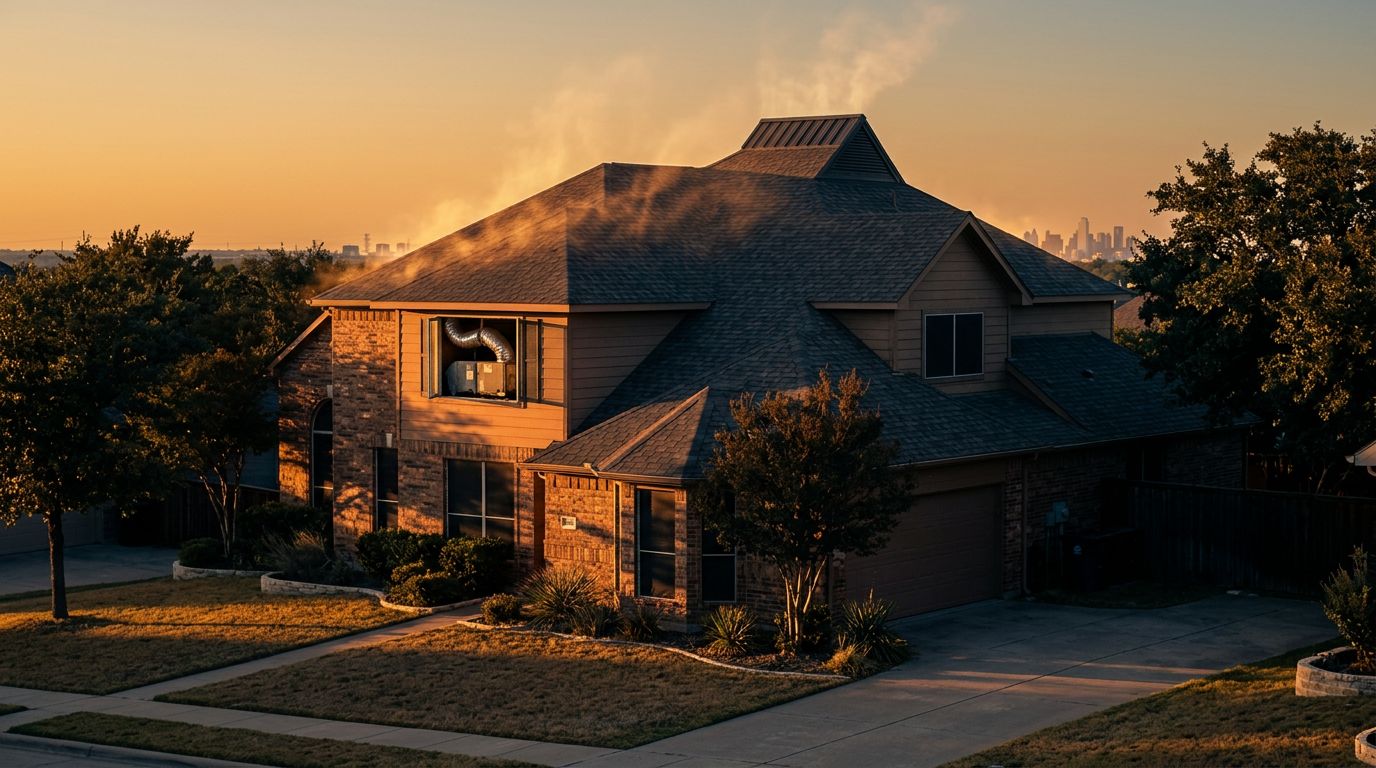
High energy bills in North Texas homes usually come from a mix of rising utility rates and houses that lose conditioned air. In Denton, long cooling seasons, hot attics, aging windows, duct leaks, and poor shade make the same thermostat setting cost much more.
That is why many homeowners treat home remodeling Denton TX as a comfort fix and a cost fix.
What is pushing North Texas utility bills up in 2026?
Part of the problem starts outside the home. North Texas keeps growing, summers stay brutal, and utilities are paying more for grid work, repairs, and added capacity. Those costs reach the monthly bill whether a house is efficient or not.
In early 2026, a Dallas News report on Oncor rate changes pointed to higher delivery costs tied to regional growth, construction, and weather strain. Meanwhile, heating costs have also stayed unpredictable. WFAA’s report on rising Atmos gas bills showed how winter usage and infrastructure spending can raise gas bills across North Texas.
Then there is the climate. Denton homes can run air conditioning hard for months, and even short cold snaps can spike furnace use. If a household is on a variable-rate electric plan, the pain can be worse during peak demand.
Still, rates alone rarely explain everything. Two neighbors can live on the same street, use similar thermostat settings, and get very different bills. The difference is often the house itself.
When a house leaks air, every rate increase costs more.
That is the real reason high energy bills in North Texas feel so stubborn. The weather and the utility market raise the baseline, but weak windows, thin insulation, attic heat, and hidden leaks multiply the damage. Once that happens, the HVAC system works longer, cycles harder, and wears out faster. So the bill is not only a billing issue. It is often a building issue.
Why do older Denton homes lose so much energy?
Many Denton-area homes were built before newer energy standards became common. Some still have original windows, aging weatherstripping, settled attic insulation, and ductwork that runs through a hot attic. Those weak spots are small on their own, but together they act like open valves.
Older homes also fight local conditions that newer builds handle better. West-facing rooms take hard afternoon sun. Brick and roof decking hold heat into the evening. Attics can reach extreme temperatures in summer, so even insulated ducts pick up unwanted heat before air reaches the rooms.
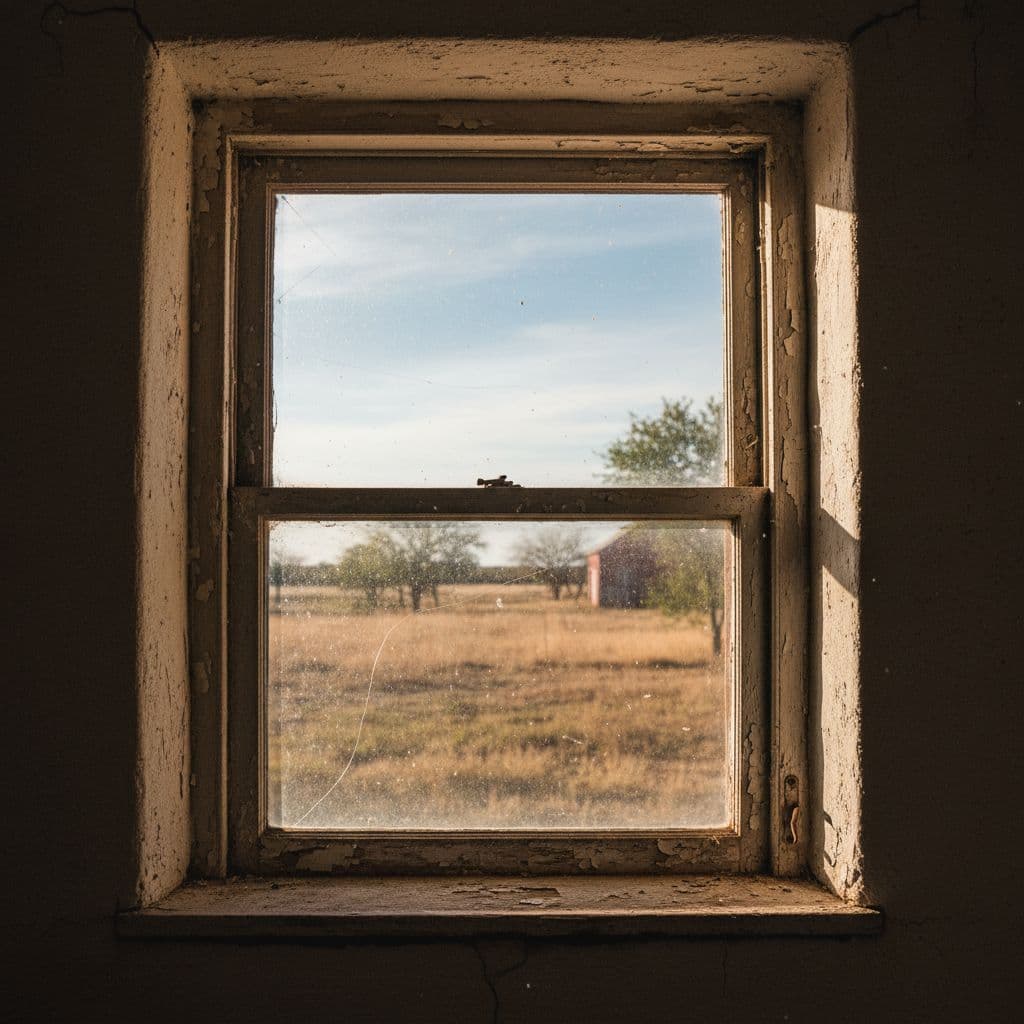
That is one reason DFW Happens’ look at summer heat and older homes rings true for so many North Texas households. Older houses often force AC systems to run longer, especially during late afternoon and early evening when heat load stays high.
A quick scan often points to the biggest loss:
| Common issue | What homeowners notice | Likely fix |
|---|---|---|
| Old windows | Hot glass, drafts, fading floors | New low-E windows |
| Weak attic insulation or poor roof ventilation | Upstairs rooms stay warmer | Air sealing, insulation, attic and roof upgrades |
| Leaky bath or utility penetrations | Musty air, uneven temps, wasted exhaust | Sealing gaps and correcting venting |
| No exterior shade on west-facing areas | Living room heats up by sunset | Patio cover or exterior shading |
The pattern matters more than one single symptom. If one bedroom is always hot, that points to airflow, insulation, or sun exposure. If the whole house feels sticky and the AC never seems to catch up, the envelope may be leaking in several places at once.
Which home upgrades cut energy waste the most?
Windows are often the first place homeowners see obvious waste. Single-pane glass, worn seals, and older frames let heat move in fast. That is why many Denton homeowners start with window replacement Denton TX when rooms feel hot near the glass or the HVAC runs too long in late afternoon.
Attics and roofs matter just as much. When the attic traps heat, the ceiling becomes a steady source of indoor gain. Better insulation, proper ventilation, and targeted roofing improvements can lower that load. This is especially helpful in North Texas houses where summer sun stays intense for long stretches.
Bathrooms are not the first place most homeowners look, yet they often hide air leaks. Plumbing penetrations, bad exhaust routing, and under-insulated exterior walls can waste conditioned air. In older homes, bathroom remodeling Denton TX can fix those issues while also updating fixtures, lighting, and moisture control.
Outdoor shade helps more than many people expect. A hot slab, uncovered patio, or sun-soaked back wall can drive indoor heat gain through nearby rooms. Adding patio covers Denton TX can reduce direct sun exposure and make the outdoor area usable at the same time.
The key is order. A new thermostat will not solve a baking attic. Fresh caulk alone will not offset failing windows. For mixed issues, the right general contractor Denton TX homeowners hire should look at the house as one system. Windows, roof heat, bath venting, insulation, and shading all affect the same monthly bill.
That is where The JBN Group helps local homeowners make better choices. When several weak spots show up at once, professional home renovations in Denton County can fix the cause instead of patching one symptom every season.
How can homeowners tell whether the bill or the house is the main problem?
The first check is simple: compare usage, not only dollars. If kilowatt-hour use jumped, the house or HVAC system likely worked harder. If usage stayed flat but the total bill rose, the rate plan or delivery charges may be the main driver.
The second check is comfort. Utility pricing does not make one room hotter than the rest. A billing issue does not create drafts near windows or a second floor that never cools down. Those signs point back to the house.
A few clues help narrow it down fast:
- Compare the same month from last year, because seasonal swings can hide real usage changes.
- Look at average daily use, because one extreme week can distort the total.
- Watch how long the AC runs in late afternoon, because extended cycles often mean heat gain or air loss.
- Notice where discomfort happens, because room-by-room problems usually reveal the source.
Homeowners should also think about age. If the windows are original, the attic insulation is old, and the house gets strong west sun, the odds of building-related waste are high. If the HVAC system is newer but the bill still climbs, the shell of the house may be the missing piece.
Guessing gets expensive. Replacing equipment before fixing air leaks can lock in the wrong solution. On the other hand, ignoring a bad rate plan can make an efficient house look wasteful. The smartest path is a full review of usage, comfort, and building condition before any major project starts.
Final thoughts
Most high bills in Denton and across North Texas come from two problems meeting at the same time: higher utility costs and homes that waste cooled or heated air. When the house leaks energy, every seasonal spike hits harder and lasts longer.
The good news is that the causes are usually visible once the whole home is evaluated. Windows, attic heat, bathroom air leaks, roofing details, and outdoor shade often explain more than the thermostat ever will.
Homeowners who want clear answers can get a free home improvement estimate and find out which upgrades will cut waste first.