
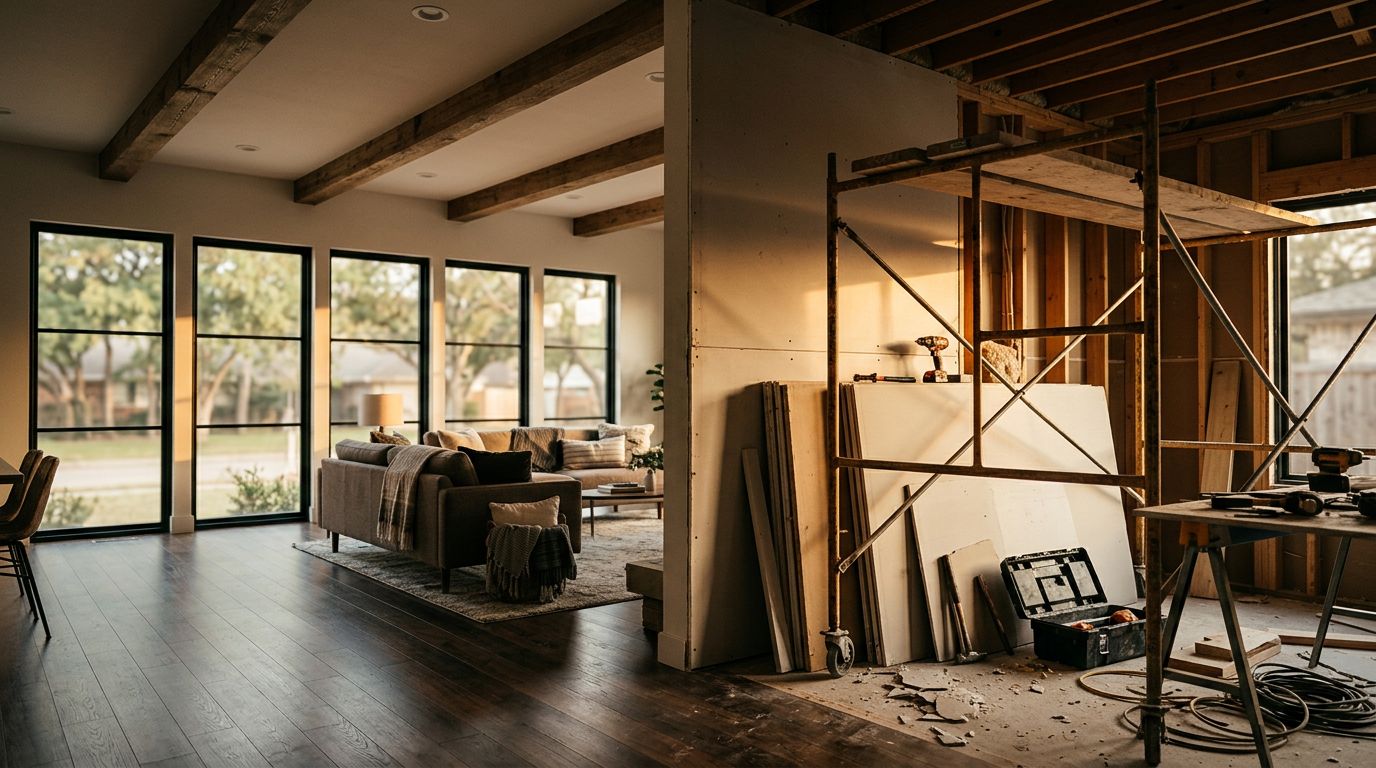
In Denton, TX, a true whole-home renovation usually lands between $150,000 and $400,000, with mid-range work often pricing around $60 to $125 per square foot. Custom jobs with major layout changes, premium materials, or full system replacements can climb well above that. For homeowners comparing home remodeling Denton TX options, the final number depends more on scope and house condition than square footage alone.
What does a full home renovation cost in Denton, TX?
The typical home renovation cost in Denton, TX starts with one simple truth: not every “full remodel” means the same thing. One project may keep the floor plan and update finishes. Another may move walls, replace wiring, upgrade plumbing, and redo the roofline. Those are different budgets, even in houses with the same square footage.
Recent North Texas pricing in 2026 gives a solid benchmark. Mid-range whole-home work often falls between $60 and $125 per square foot. Custom renovations with structural work and premium finishes often start near $150 per square foot and can run much higher.
A simple range helps frame the discussion:
| Project scope | Typical cost per sq ft | 2,000 sq ft example | What it usually includes |
|---|---|---|---|
| Cosmetic update | $15 to $60 | $30,000 to $120,000 | Paint, flooring, fixtures, trim, little or no layout change |
| Mid-range full renovation | $60 to $125 | $120,000 to $250,000 | Kitchens, baths, flooring, lighting, some plumbing or electrical updates |
| Custom whole-home remodel | $150 to $350+ | $300,000 to $700,000+ | Layout redesign, major systems, structural work, high-end finishes |
Most Denton projects described as a full home renovation fall in the middle row or higher. A basic cosmetic refresh can improve appearance, but it usually doesn’t address older systems, worn bathrooms, poor insulation, or dated windows.
That is why broad online averages often miss the mark. Denton homes vary too much by age, layout, and condition. Local pricing trends in this 2026 Denton remodel guide reflect the same issue: older homes often need more hidden work, while newer homes may allow cleaner, finish-driven updates.
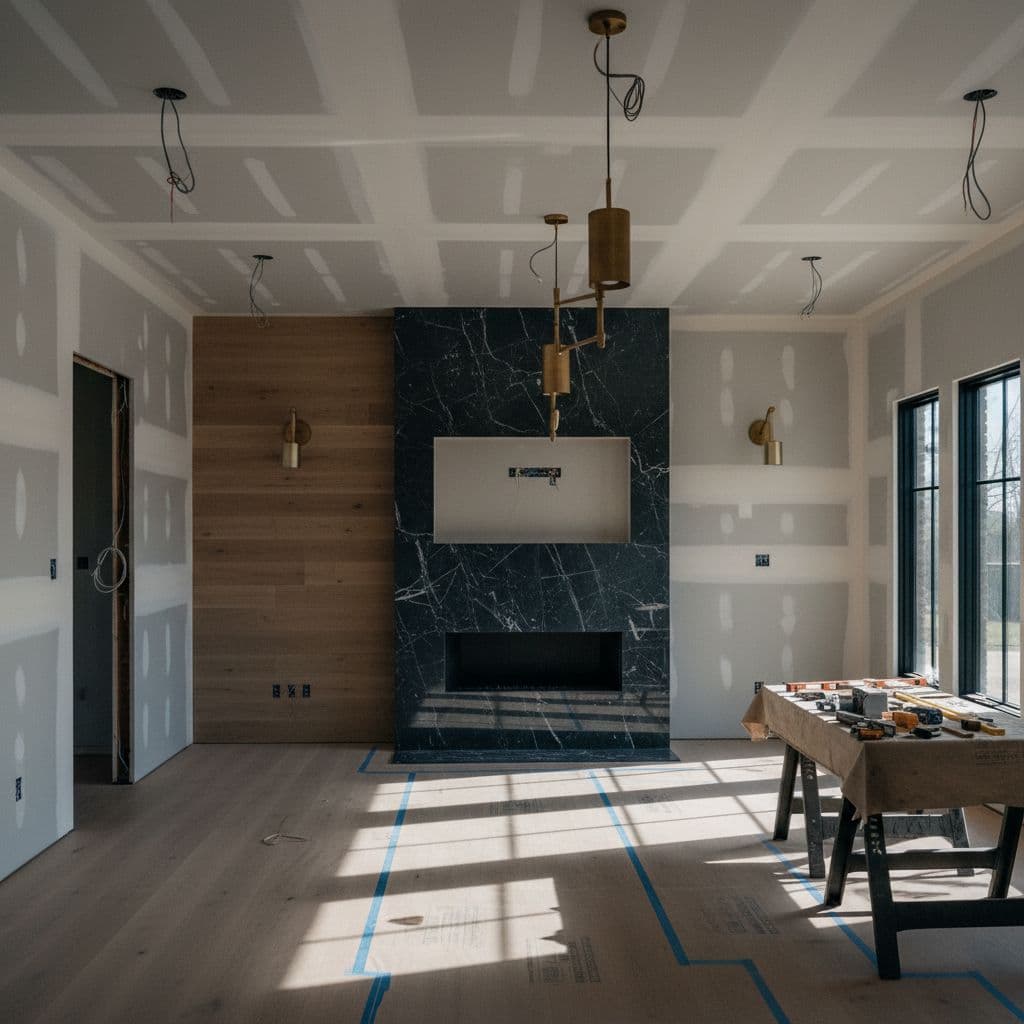
A realistic budget starts with a detailed scope, not a rough guess. Square footage helps, but it never tells the full story.
What pushes a whole-home budget higher or lower?
The biggest price swings usually come from work homeowners can’t see on day one. Paint colors and light fixtures matter, but they rarely make or break the budget. Hidden repairs, layout changes, and trade work do.
Layout changes add labor fast
Moving a wall sounds simple until it touches framing, HVAC ducts, electrical runs, flooring, and drywall. Opening a kitchen to a living room can affect cabinets, lighting, trim, and even structural support. Every change ripples outward, and each ripple adds labor.
Keeping the footprint mostly intact is one of the fastest ways to control cost. A house can still feel new without relocating every sink and doorway.
Older systems raise the real number
Older Denton homes often hide outdated electrical panels, worn plumbing lines, or insulation that doesn’t perform well in North Texas heat. Once walls open, those issues move from optional to necessary. That is where budgets stretch.
Electrical and mechanical work also has little visual payoff. Yet it protects the house, supports new appliances, and helps the renovation last. Homeowners sometimes focus on tile and cabinets first, but a safer panel or updated plumbing can matter more.
Finish level shapes the top end
Material choices can double a room budget without changing the room size. Stock cabinets, builder-grade fixtures, and standard tile keep numbers in check. Custom cabinetry, oversized slabs, designer plumbing trim, and specialty glass push the total upward.
Schedule also matters. If materials have long lead times, contractors may need to resequence labor. Rush orders and last-minute changes almost always cost more.
Most budget problems start before demolition, when the scope is vague and the allowances are too low.
That is why a firm plan matters more than a hopeful number. A detailed estimate should separate labor, materials, allowances, and unknowns, so the homeowner can see where the pressure points are.
How does Denton and North Texas change the math?
Denton is not one uniform housing market. Some homes are older and need deeper repair work. Others sit in newer subdivisions where the framing, plumbing, and electrical systems are easier to update. That local mix affects cost more than many homeowners expect.
North Texas weather also plays a role. Long summers, strong sun, shifting soils, and storm exposure can push upgrades toward performance, not looks. Better insulation, improved ventilation, higher-grade roofing materials, and tighter windows may raise the upfront cost, but they often make more sense in this climate.
A skilled general contractor Denton TX homeowners trust should price these local factors early. Permits, inspections, trade availability, and product lead times can all shift the schedule. When a project runs longer, the carrying costs of temporary housing, storage, and phased labor can rise too.
Local data from RenoVetted’s Denton cost page also points to climate and housing variation as major pricing factors. That lines up with what many North Texas homeowners see in practice. A newer home may need mostly finish work. An older one may require the same finish work plus electrical, plumbing, and framing repairs.
For that reason, homeowners often benefit from reviewing scope through a page focused on home remodeling services in Denton TX before comparing bids. Local context matters. A low number from a generic estimator may not include the real cost of bringing a Denton home up to current needs.
Which parts of the house cost the most?
Whole-home budgets rarely spread evenly across every room. Kitchens, bathrooms, windows, flooring, and major systems usually take the largest share. Paint and trim finish the project, but wet rooms and performance upgrades often drive the cost.
Kitchen work is often the largest single line item. Cabinets, countertops, appliances, plumbing, lighting, and layout changes add up fast. Local remodel breakdowns, including TriStar’s Denton full remodel guide, commonly show kitchens taking about 25 to 30 percent of the total budget in a full remodel.
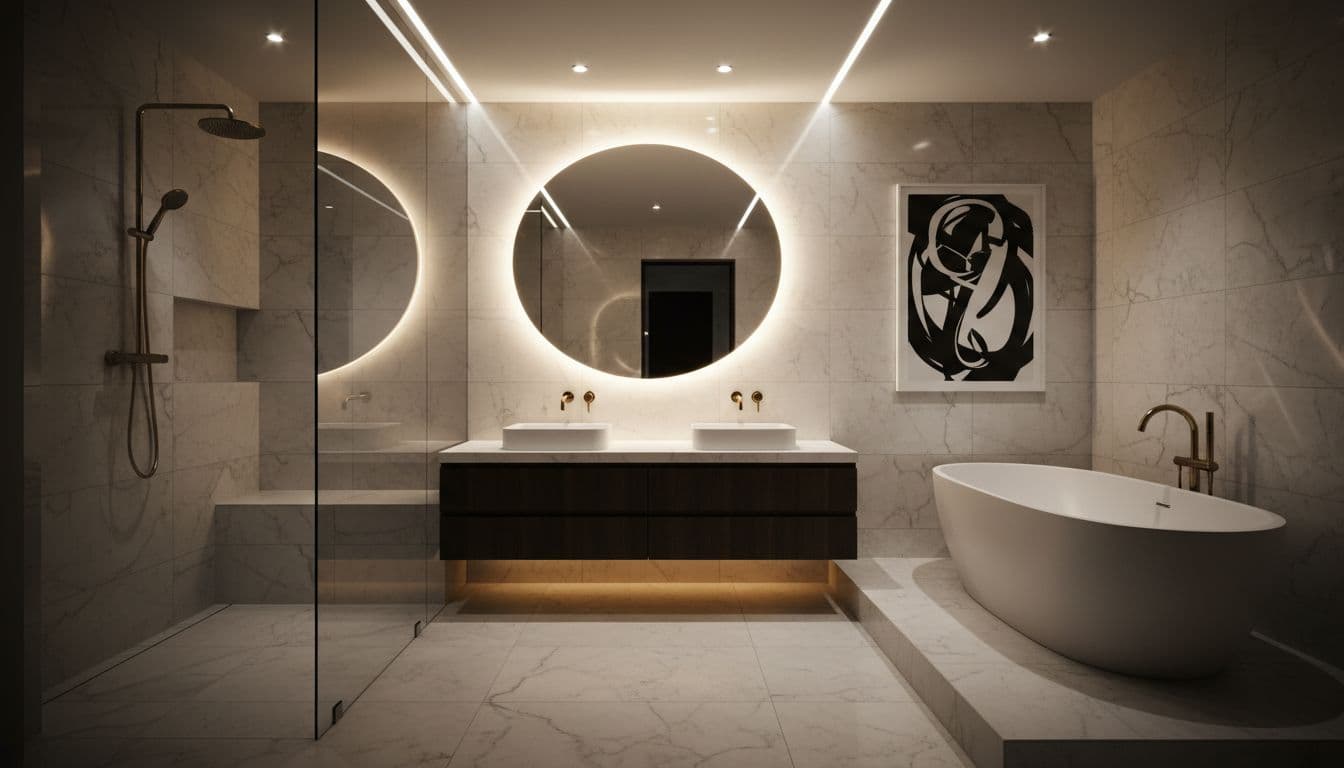
Bathrooms come next because they pack a lot of labor into a small space. Tile, waterproofing, plumbing fixtures, vanities, lighting, and ventilation all stack together. In Denton, a primary bath can easily reach the mid five figures, especially if the shower layout changes or premium finishes are used. That is why many homeowners price bathroom remodeling Denton TX early in the planning stage, rather than treating it as an afterthought.
Windows can also swing the number more than expected. Full-house replacement affects material cost, labor, trim, insulation, and sometimes exterior repair around openings. In North Texas, new windows can improve comfort as much as appearance, especially in older homes with drafts or solar heat gain. When the renovation plan includes energy upgrades, window replacement Denton TX often becomes part of the core scope.
Then there are the less glamorous items. Flooring across the entire home adds up because it covers so much square footage. Electrical rewiring, plumbing replacement, HVAC updates, and roofing work may not photograph well, but they protect the investment. If the roof is near the end of its life, many contractors prefer to price it early. Interior finishes should not go in before the shell is weather-tight.
A true full renovation budget is usually a stack of big-ticket items, not one giant line. That is why room-by-room estimates often understate the total.
How can homeowners keep renovation costs under control?
The best cost control happens before work starts. Once demolition begins, every vague allowance turns into a decision, and every late decision risks a change order. Clear planning saves more money than bargain shopping.
First, define what “full renovation” means for the house. Some homeowners need better function, not a brand-new layout. Others need system upgrades first because the house is old. When priorities are clear, money can go where it matters most.
Next, hold the plumbing layout where possible. A bathroom can look entirely new without moving the toilet. A kitchen can gain better storage without relocating every appliance. Small design choices like that protect the budget.
A smart plan also includes a contingency, especially in older Denton homes. Ten to twenty percent is a common safety range when walls are opening and unknowns are likely. That reserve should sit outside the finish budget.
Homeowners comparing bids should read past the total. One contractor may include demo, permits, haul-off, and trim. Another may leave those items out. For that reason, many homeowners talk with expert home renovation services in Denton when they want a line-by-line scope instead of a rough range. That kind of review helps separate a realistic number from a low number.
Phasing can also help. If the core renovation already stretches the budget, optional work can move to a second stage. Outdoor upgrades, specialty built-ins, and premium finish swaps do not always need to happen at once.
What do common Denton renovation scenarios look like?
A cost breakdown becomes easier to understand when it matches real project types. Most full-home jobs in Denton fit one of three patterns.
A cosmetic whole-house update usually targets appearance and function without major structural changes. It may include flooring, paint, doors, trim, light fixtures, one modest bathroom update, and surface-level kitchen work. This can refresh a newer house or a rental-ready property, but it is not the same as rebuilding the home from the inside out.
A mid-range full renovation is the most common whole-home scope. It often includes a kitchen remodel, multiple bath updates, flooring throughout, lighting, interior paint, partial plumbing or electrical work, and some energy-efficiency improvements. This is also where full-window packages start to make sense, because the house is already under construction.
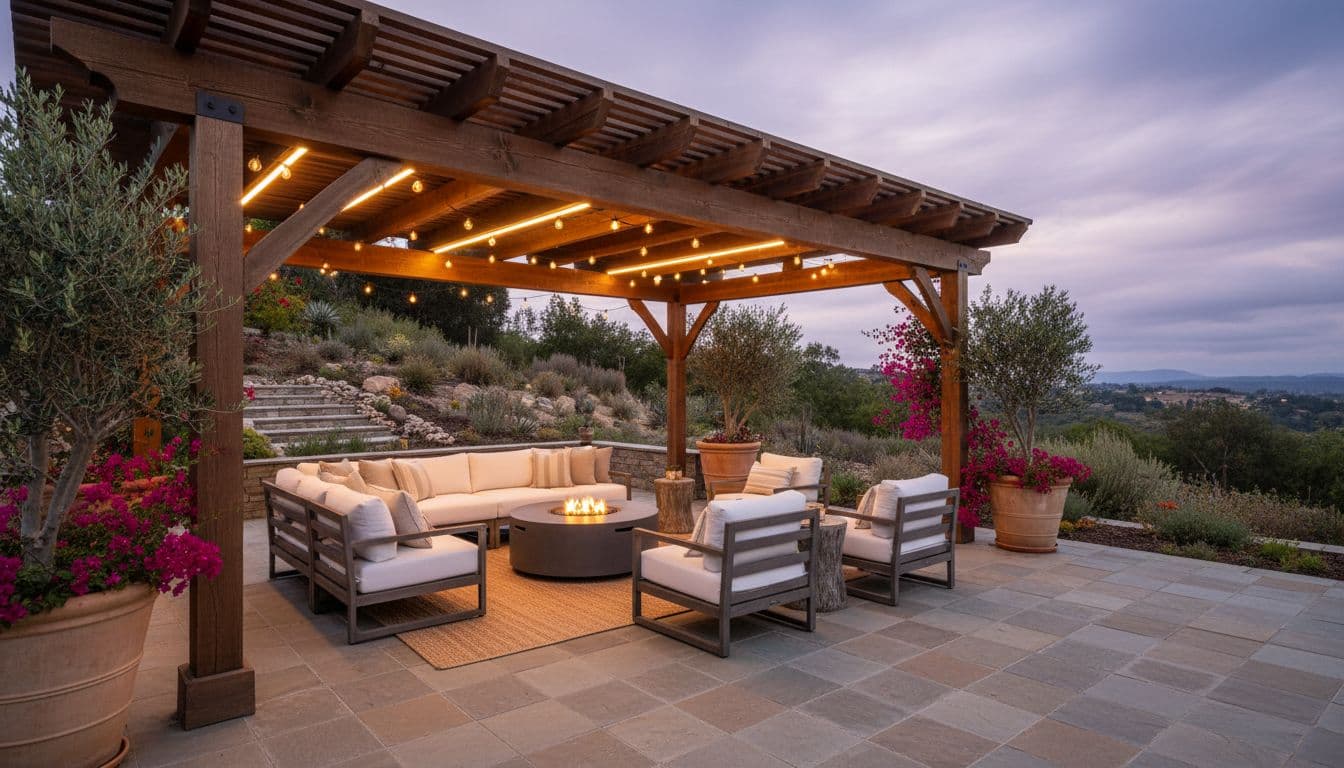
A custom or structural remodel reaches the top end of the budget. This level may remove walls, rebuild bathrooms, rework the kitchen layout, replace major systems, upgrade insulation, and add premium finishes across the home. In some projects, outdoor work becomes part of the second phase. For North Texas households, shaded exterior living space can add daily value, but it should be priced honestly. Features like patio covers Denton TX usually sit outside the core interior renovation budget unless the contract clearly bundles them in.
The main takeaway is simple. Two projects may both be called a full renovation, while one costs $160,000 and the other costs $420,000. The difference is rarely mystery. It is usually scope, systems, and finish level.
Conclusion
The real home renovation cost in Denton, TX depends less on the label “full remodel” and more on what the project actually includes. Kitchens, bathrooms, windows, system upgrades, and layout changes move the number far more than paint or fixtures alone. In Denton and North Texas, house age, climate, and hidden repair work make local planning even more important.
Homeowners get better results when they compare detailed scopes, not headline prices. The cleanest way to replace guesswork with a real number is to get a free home improvement estimate and review the budget before materials are ordered.