
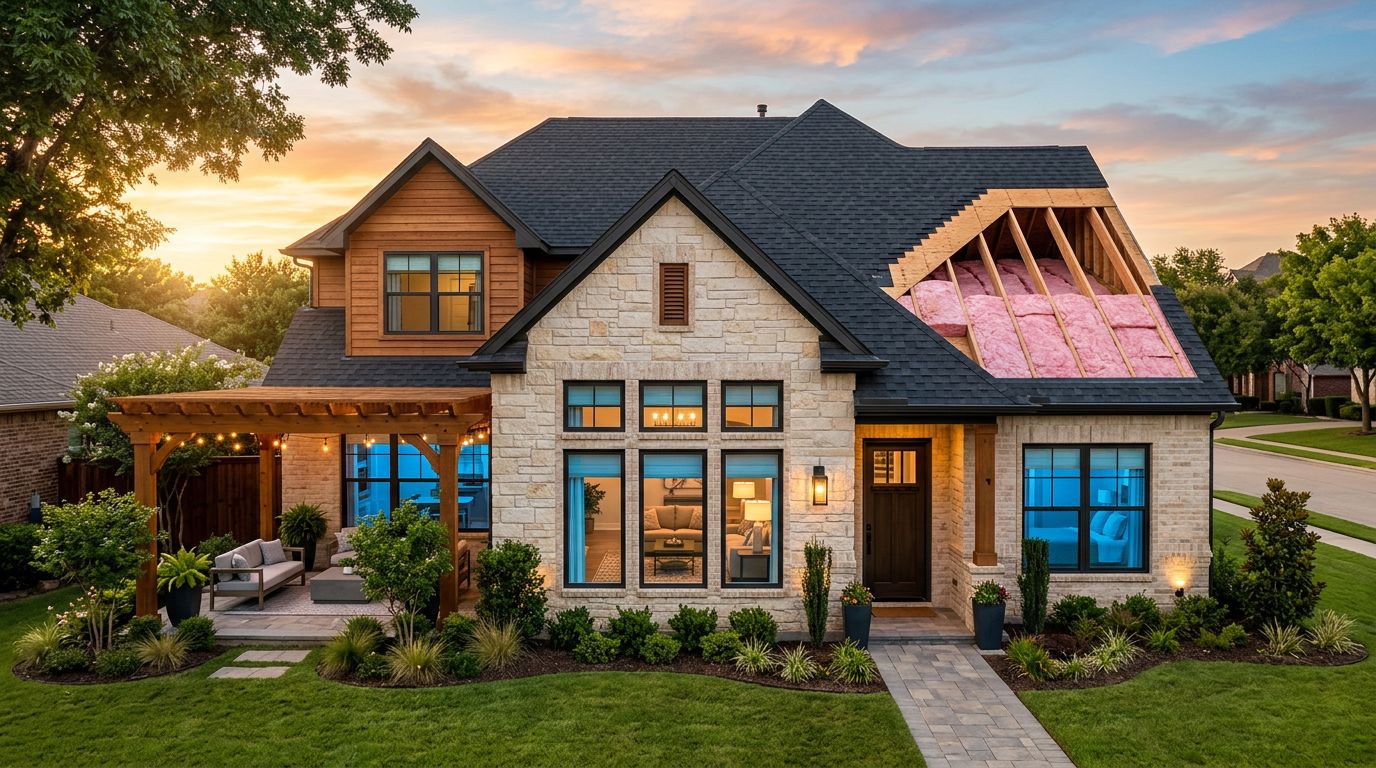
North Texas summers can push an average electric bill above $250, especially when an older home leaks cooled air. The right energy-efficient home improvements can lower monthly utility costs while making your home more comfortable.
You don’t need to remodel every room at once. Start with the areas that lose the most energy, then plan upgrades around your home’s age, layout, insulation, windows, and HVAC system. These practical improvements can help homeowners in Denton County and the wider Dallas-Fort Worth area spend less on cooling and heating.
Key Takeaways
- Seal air leaks and improve attic insulation before replacing major equipment.
- Energy-efficient replacement windows can reduce heat gain and improve indoor comfort.
- Shade from cedar patio covers and pergolas can help limit direct solar heat.
- Plan flooring, bathroom remodeling, and larger renovation work around long-term efficiency.
- Use a qualified contractor who provides clear pricing, permits, and professional installation.
Why Energy-Efficient Home Improvements Matter in North Texas
Cooling usually drives the largest seasonal increase in North Texas utility bills. Homes in Denton, Lewisville, Frisco, Little Elm, and nearby communities face long, hot summers with intense afternoon sun. Poor attic insulation, leaky ducts, old windows, and unsealed doors allow that heat to move indoors.
A home with a 2,000-square-foot floor plan and an older air-conditioning system can cost far more to cool than a similar home with tight insulation and efficient windows. Your thermostat setting matters, but the building envelope matters too. If heat enters through the attic and windows all day, your HVAC system must keep working to remove it.
Start with an energy review before choosing products. Look for:
- Attic insulation below the recommended level or areas with uneven coverage
- Drafts around doors, windows, electrical outlets, and plumbing penetrations
- Ductwork in an unconditioned attic
- Single-pane or damaged windows
- Rooms that stay hotter than the rest of the home
- Dark roofing, west-facing glass, and patios without shade
The U.S. Department of Energy’s home upgrade guidance covers insulation, efficient appliances, heat pumps, and available rebate programs. You can also review the IRS energy-efficient home improvement credit before scheduling work. Tax credits have limits and eligibility rules, so confirm current requirements for your project.
Improve the Building Envelope Before Replacing Equipment
Many homeowners look at the HVAC system first. However, sealing and insulating the home can improve comfort before you spend money on a new unit.
Attic insulation is one of the most useful upgrades in North Texas. Heat collects above the ceiling, especially in homes with low insulation levels. Adding insulation and sealing gaps around recessed lights, duct penetrations, and framing openings can reduce heat transfer. A contractor should also check for moisture problems before adding more material.
Air sealing works best when you address several small leaks together. Weatherstripping around exterior doors, caulking fixed window joints, and sealing plumbing openings can reduce drafts. Your HVAC system may then run for shorter cycles.
Ductwork deserves attention as well. Torn, disconnected, or poorly insulated ducts can waste conditioned air in a hot attic. Ask a qualified professional to inspect connections and insulation instead of applying surface tape to visible damage.
During a larger home renovation, you can address these issues while walls or ceilings are open. That timing may reduce duplicated labor. A reputable home improvement contractor can coordinate insulation, electrical work, drywall, and HVAC access under one project schedule.
Before you buy a larger air conditioner, check whether your home is losing conditioned air through the attic, ducts, doors, and windows.
Upgrade to Energy-Efficient Replacement Windows
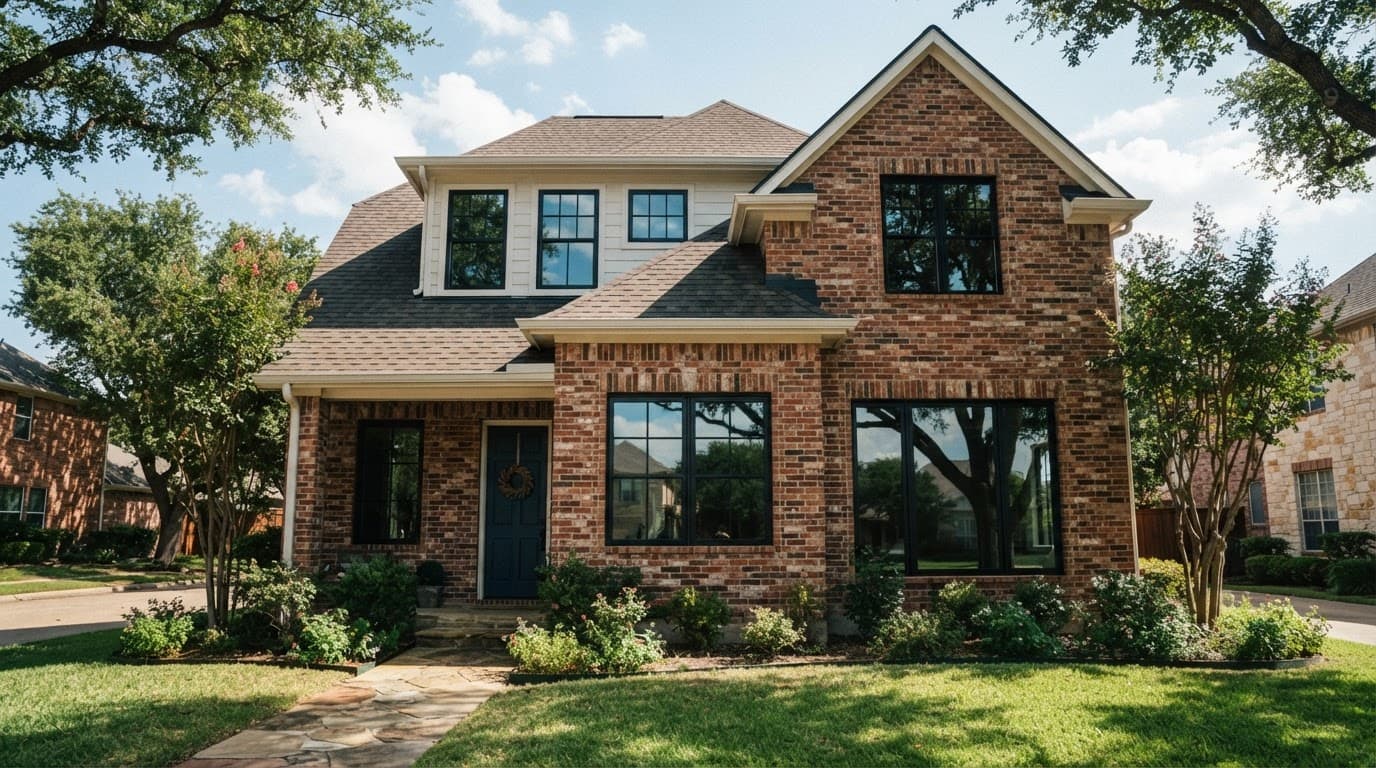
Old windows can make sunny rooms uncomfortable and force your air conditioner to work longer. Modern replacement windows with insulated glass, low-emissivity coatings, and properly sealed frames can reduce heat gain.
Look for products with a National Fenestration Rating Council label. The label helps you compare U-factor, solar heat gain coefficient, visible transmittance, and air leakage. In North Texas, solar heat gain and air leakage deserve close attention because west-facing windows receive strong afternoon sun.
Frame material also affects the project. Vinyl windows often offer lower maintenance, while fiberglass and other materials may suit certain architectural styles. Brick homes in Denton, Argyle, and Flower Mound require careful measurement and flashing around the existing opening.
Window installation matters as much as the product. Gaps around a quality window can cause drafts, water intrusion, and poor performance. Ask about flashing, insulation, exterior sealant, trim, disposal, and warranty coverage before work begins.
The JBN Group can help you plan replacement windows as part of broader home improvement services. If you are comparing window work with siding, roofing, or interior updates, Contact The JBN Group to discuss the full scope before selecting materials.
Choose Flooring and Bathroom Updates With Efficiency in Mind
Flooring doesn’t control your utility bill as directly as insulation or windows, but material choice affects comfort, durability, and maintenance. Tile can feel cooler underfoot during hot weather, while carpet adds softness and some insulation. Luxury vinyl plank can work well in busy homes, but installers must prepare the subfloor correctly.
Proper flooring installation prevents gaps, movement, and moisture damage. In older homes, the crew should check for uneven areas, damaged subflooring, and transitions between rooms. Fixing those conditions first helps the new floor perform longer.
Bathroom remodeling also creates a good chance to reduce water and energy use. Low-flow showerheads, efficient toilets, LED lighting, and properly sealed exhaust fans can lower operating costs. A timer or humidity sensor for the fan can reduce unnecessary run time.
If your bathroom has poor ventilation, address it during the remodel. North Texas humidity can collect in bathrooms and contribute to peeling paint, mildew, and damaged materials. The right fan should vent outdoors, not into the attic.
Choose a remodeling contractor who explains the products and installation details. The best project plan connects layout, plumbing access, ventilation, lighting, and long-term maintenance rather than focusing only on finishes.
Use Cedar Patio Covers and Pergolas to Block Solar Heat
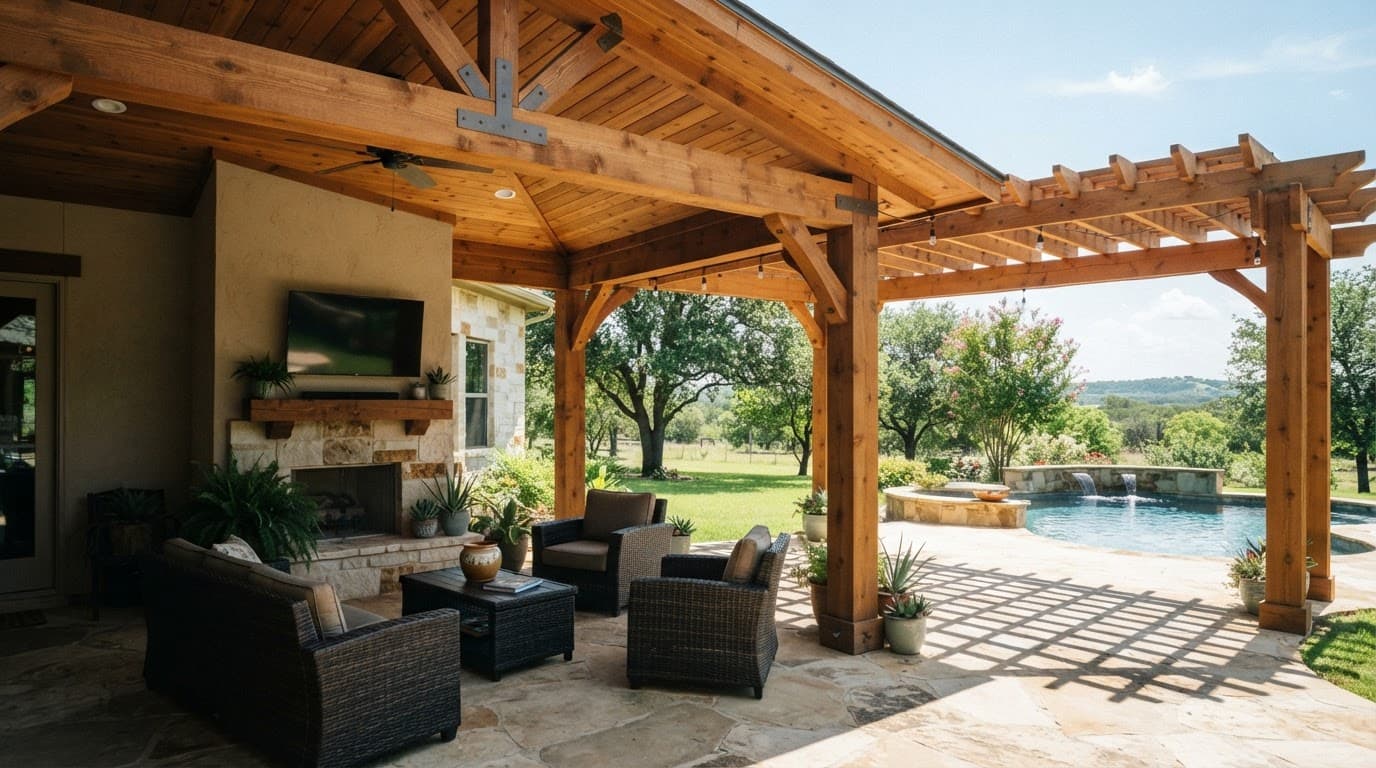
Direct sun can heat windows, walls, patios, and nearby rooms. A properly designed patio cover can reduce that exposure and make your outdoor area more usable during hot afternoons.
Cedar patio covers add shade while fitting many North Texas home styles, including brick ranch homes, newer suburban construction, and custom homes in Bartonville, Double Oak, and Copper Canyon. Pergolas can provide partial shade, although their open design offers less solar protection than a solid roof.
Design should match the home’s orientation. A west-facing patio usually needs more afternoon coverage than an area facing north. Roof pitch, post placement, drainage, ceiling fans, and lighting should also fit the home’s structure and local conditions.
Outdoor living spaces can include a covered seating area, outdoor kitchen, fire feature, or screened section. These additions won’t replace insulation or window upgrades, but they can reduce direct sun near the home and improve how you use the property.
A renovation company should confirm attachment points, drainage, permits, and foundation conditions before construction. Clear planning helps protect the existing siding, roofline, and slab.
Plan a Whole-Home Upgrade With One Accountable Contractor
Energy savings often depend on how separate improvements work together. New windows won’t solve duct leakage. Fresh flooring won’t correct poor bathroom ventilation. A patio cover won’t fix attic heat.
A full-service team can review the order of work and reduce scheduling conflicts. The JBN Group handles home renovation projects that may include residential remodeling, room additions, windows, flooring, bathrooms, roofing, and outdoor structures. You can learn more about The JBN Group’s home improvement services before setting your project priorities.
When comparing contractors, ask for:
- Proof of licensing and insurance
- A written scope with materials and labor
- Permit responsibilities
- A payment schedule tied to project stages
- Warranty details
- A communication plan for changes and delays
Look for a trusted contractor who answers questions directly. Quality craftsmanship includes proper preparation, code-compliant work, clean job sites, and a final walkthrough. A family owned contractor may also offer a more personal process, but you should still verify experience and references.
The JBN Group is a local option for homeowners seeking a North Texas contractor for larger projects. The service area includes Denton, Argyle, Corinth, Flower Mound, Highland Village, Lewisville, Northlake, Bartonville, Double Oak, Copper Canyon, Trophy Club, Roanoke, Southlake, Grapevine, Keller, Frisco, Little Elm, and Carrollton. Whether you need a Denton TX contractor, Argyle TX contractor, Flower Mound contractor, or Corinth contractor, request a detailed plan before work starts.
FAQ About Energy-Efficient Home Improvements
Which home improvement lowers utility bills first?
Air sealing and attic insulation are often good starting points because they reduce heat transfer and conditioned-air loss. An energy audit can help identify the largest problem.
Do replacement windows lower electric bills?
They can reduce solar heat gain and air leakage, especially when existing windows are single-pane or damaged. Installation quality and window orientation affect results.
Should you replace windows or HVAC equipment first?
Check insulation, air leaks, and ductwork before choosing new HVAC equipment. A properly sized system performs better when the home envelope is in good condition.
How much attic insulation does a North Texas home need?
The correct amount depends on existing insulation, attic conditions, and local code requirements. A contractor should inspect depth and coverage instead of guessing from the home’s age.
Are patio covers energy-efficient improvements?
A solid patio cover can shade windows and exterior walls, which may reduce direct solar heat. It works best when designed for the home’s orientation and afternoon sun.
Do pergolas provide the same shade as patio covers?
No. Pergolas provide partial shade through open rafters or slats. A solid roof blocks more sun and offers better rain protection.
Can flooring affect comfort?
Yes. Tile, vinyl, and carpet feel different underfoot and handle moisture differently. Proper subfloor preparation matters more than appearance alone.
What should bathroom remodeling include for efficiency?
Consider LED lighting, low-flow fixtures, a properly vented exhaust fan, and durable materials. Fix leaks and ventilation problems before installing new finishes.
Are energy tax credits available for windows?
Some qualified improvements may qualify for federal tax credits, but product requirements, limits, and filing rules apply. Check current IRS guidance before relying on a credit.
Does a home renovation require permits?
Many structural, electrical, plumbing, window, and exterior projects require permits. Your contractor should explain which permits apply and who will obtain them.
How do you compare contractor estimates?
Compare the scope, materials, allowances, warranties, permits, and payment schedule. The lowest price may exclude preparation or required work.
What maintenance protects energy savings?
Replace HVAC filters, inspect weatherstripping, keep gutters clear, check window seals, and schedule regular HVAC service. Small problems can increase energy use over time.
Can one contractor manage several upgrades?
Yes, a general contractor can coordinate trades, material deliveries, permits, and inspections. Ask how the company tracks changes and communicates progress.
Build Comfort and Savings Into Your Next Project
The most effective energy-efficient home improvements address how your home handles heat, air, sunlight, and moisture. Start with the largest source of waste, then combine upgrades when the timing makes sense.
Whether you need replacement windows, flooring installation, bathroom remodeling, cedar patio covers, or a larger residential remodeling project, clear planning protects your budget and your home’s long-term performance. Request Your Free Consultation or Call The JBN Group Today to discuss your next improvement project.