
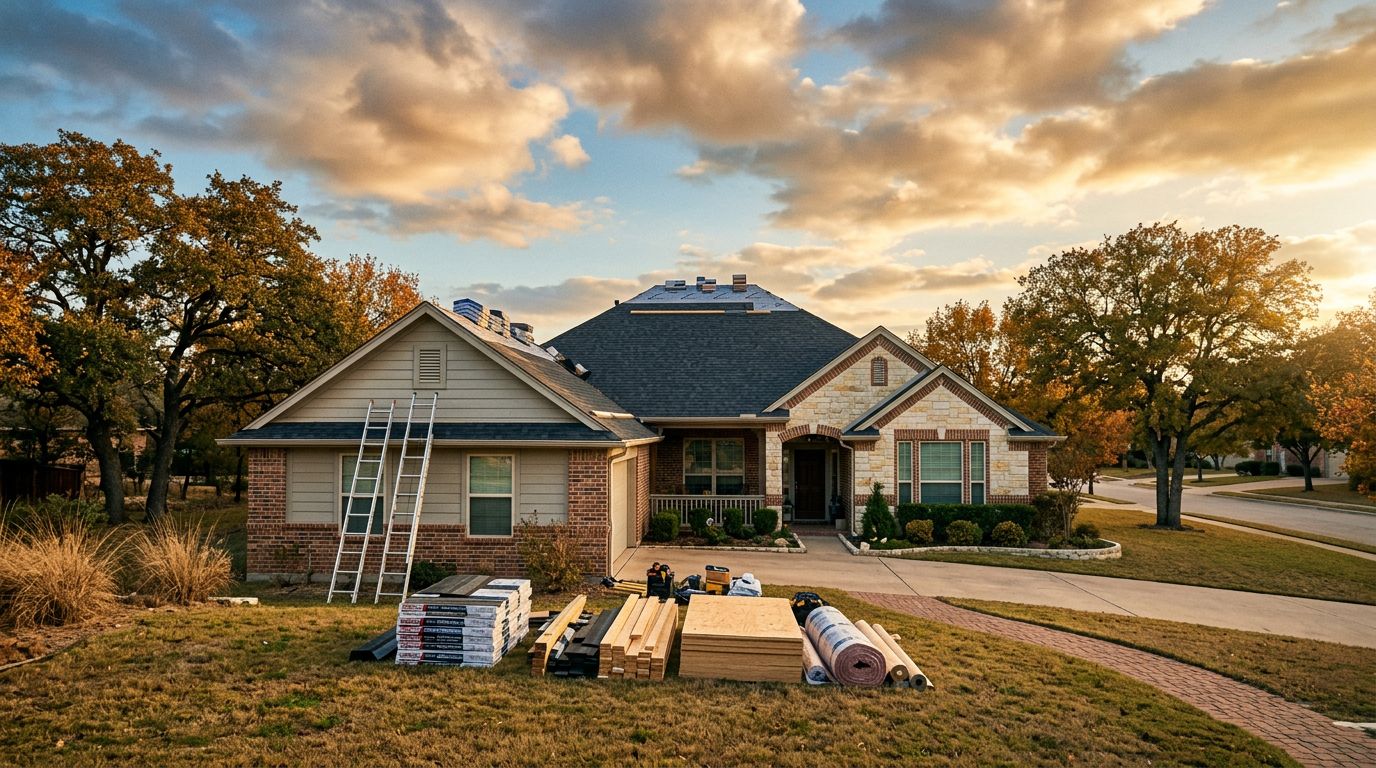
The best time of year to start home improvement projects in Texas depends on your project, your location, and how much weather exposure the work involves. In North Texas, fall is often the strongest overall season, while spring is an excellent choice for exterior construction.
Summer heat, spring storms, winter freezes, contractor schedules, and material lead times can all affect your timeline. With the right plan, you can avoid rushed decisions and give your home renovation a better chance of staying on schedule.
Key Takeaways
- Fall is usually the best all-around season for major Texas home improvement projects.
- Spring works well for replacement windows, roofing, patio covers, painting, and additions.
- Late winter is a good time to plan interior work, order materials, and secure permits.
- Summer can work for bathroom remodeling, flooring installation, and other indoor projects.
- Start planning several months before your preferred construction date.
The best time of year to start home improvement projects in Texas
Fall, especially September through November, is often the most comfortable season for home remodeling in North Texas. Temperatures become easier for crews to manage, humidity usually drops, and outdoor work becomes more practical than it is during July or August.
Fall also works well for whole-home projects because you can complete exterior work before winter weather arrives. Roofing, siding, replacement windows, painting, additions, and outdoor living spaces often benefit from mild temperatures. For more seasonal planning ideas, this remodeling season guide compares weather and scheduling factors that affect construction timelines.
Spring, from March through May, is another strong window. Longer daylight hours help exterior crews, and moderate temperatures support many installation tasks. However, North Texas spring weather can change quickly. Heavy rain, hail, and thunderstorms may delay roofing, concrete, painting, and patio construction.
In North Texas, a two-week weather buffer can protect your schedule when spring storms interrupt exterior work.
Winter has a different advantage. Many homeowners use December through February to complete design work, choose materials, request bids, and handle permits. Interior projects can often move forward during cold weather because crews work inside. Still, freezing temperatures can affect plumbing, concrete, roofing, and other exterior tasks.
Summer is usually the hardest season for outdoor work. Heat can slow crews and make attic, roofing, siding, and concrete work uncomfortable. Interior remodeling remains practical, especially if you plan the work while your family is traveling.
Match the season to your project
The best schedule depends on what you want to change. A good home improvement contractor will review the work, materials, weather exposure, and local requirements before recommending a start date.
Exterior projects
Spring and early fall are usually the best seasons for:
- Replacement windows
- Roofing and exterior repairs
- Siding and exterior painting
- Room additions
- Cedar patio covers and pergolas
- Concrete, decks, and outdoor kitchens
Window replacement is often easier in mild weather because crews can work efficiently while keeping openings protected. Proper sealing also matters in North Texas, where homes face intense heat, wind, hail, and sudden temperature changes.
A patio cover or pergola can improve your yard before the hottest months arrive. If you want to use the space during summer, start design and material selection in winter. That gives you time to address drainage, electrical work, ceiling fans, lighting, and any required approvals.
Interior projects
Late winter through early spring is a practical time for:
- Bathroom remodeling
- Kitchen renovations
- Flooring installation
- Cabinet replacement
- Painting
- Whole-home interior updates
Interior work has fewer weather delays, but scheduling still matters. Flooring materials may need time to acclimate inside your home. Bathroom remodeling can also reveal plumbing, ventilation, or subfloor problems that add time to the project.
A reliable remodeling contractor will discuss these risks before demolition. You should also plan how your household will use the space during construction. For example, a second bathroom can make a primary bathroom renovation easier to manage.
Large renovations and additions
A major home renovation needs more preparation than a single-room project. Design decisions, structural plans, inspections, permits, material orders, and trade coordination can take months.
Spring is a strong starting point for additions because crews have longer daylight hours and more workable temperatures. Fall can also work well, especially when you complete the foundation and framing before winter.
The Great Day Improvements remodeling timeline guide also points to spring as a popular season because of moderate weather and longer workdays.
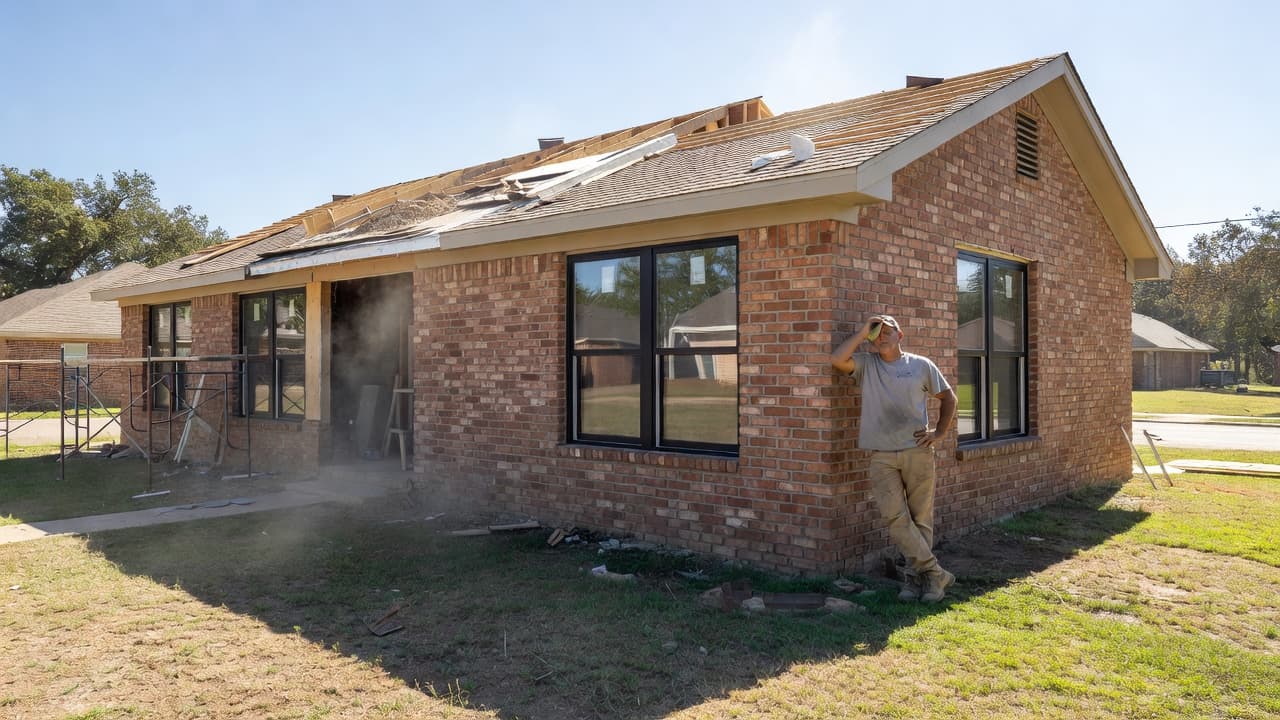
Plan your Texas home improvement timeline early
Your preferred season may not be the same as the contractor’s next available opening. Fall and spring are popular, so you should begin planning several months ahead.
Start by defining the scope. Decide whether you need one trade or a company that can manage multiple parts of the project. A full-service home remodeling company can coordinate design, material sourcing, permits, specialty trades, and final inspections.
Next, review the materials. Some windows, flooring products, cabinets, doors, and fixtures have longer lead times than others. Delayed materials can push a project into a hotter or colder season.
You should also ask how the company handles weather delays. A written schedule should identify major milestones, likely inspection points, and a reasonable buffer. It should explain who communicates changes and how your home will be protected overnight.
The JBN Group manages projects for homeowners who want one accountable partner. Its home improvement services include remodeling, flooring, replacement windows, roofing, additions, bathrooms, and outdoor construction. That approach can reduce confusion when several parts of a project must happen in sequence.
Before signing, confirm that your contractor provides:
- A detailed scope of work
- Clear payment terms
- Material and labor allowances
- A process for change orders
- Proof of insurance
- A plan for cleanup and final walkthrough
A low bid may leave out preparation, disposal, permits, or finish work. Compare complete scopes instead of comparing one total price.
North Texas cities have similar weather, but every home differs
Homeowners in Denton, Argyle, Corinth, Flower Mound, Highland Village, Lewisville, Northlake, Bartonville, Double Oak, Copper Canyon, Trophy Club, Roanoke, Southlake, Grapevine, Keller, Frisco, Little Elm, and Carrollton deal with similar North Texas weather patterns. However, each property has different shade, drainage, soil, roof exposure, age, and neighborhood requirements.
A Denton TX contractor may see older homes with aging windows or original flooring. An Argyle TX contractor may work on newer homes with larger open layouts and planned outdoor spaces. A Flower Mound contractor or Corinth contractor may need to account for steep lots, mature trees, stone exteriors, or HOA rules.
Local experience helps you choose materials that suit the property. A Denton County contractor should also understand local permit expectations and the practical issues that affect homes across the area.
The JBN Group is a family owned contractor serving Denton County and the wider Dallas-Fort Worth area. When you compare a North Texas contractor, ask about communication, project supervision, professional installation, and quality craftsmanship. Those details affect how your home performs years after the crew leaves.
Conclusion
The best time of year to start home improvement projects in Texas is usually fall for broad remodeling work, spring for exterior construction, and late winter for planning interior projects. Summer can still work when the project stays indoors, while winter is useful for design, permits, and material ordering.
Your home’s condition and your project’s scope matter more than a calendar date. A trusted contractor can help you set a realistic schedule, prepare for North Texas weather, and select durable materials that support long-term customer satisfaction.
Frequently Asked Questions
What is the best season for Texas home improvement?
Fall is often the best all-around season because temperatures are milder and exterior work is more comfortable. Spring is also strong, especially for windows, roofing, additions, and outdoor projects.
When should you start planning a fall remodel?
Begin planning in late winter or spring. This gives you time to compare contractors, finalize designs, order materials, and address permits before the fall schedule fills.
Is summer a bad time to remodel?
No. Summer works well for interior projects such as flooring installation, bathroom remodeling, cabinetry, and painting. Outdoor work may take longer because of heat, storms, and shorter comfortable work periods.
Can you replace windows during winter?
Yes, replacement windows can be installed during winter. A professional crew should work efficiently, protect each opening, and avoid leaving the home exposed for long periods.
When should you build a patio cover?
Plan a cedar patio cover or pergola during winter for spring installation. Early planning helps with design, materials, electrical needs, drainage, and any neighborhood approvals.
Does rain delay home remodeling?
Rain can delay roofing, exterior painting, concrete, framing, and other exposed work. Interior work may continue, but water intrusion and site access still need attention.
How long before construction should you contact a contractor?
Contact contractors at least two to four months before your target start date. Larger additions and whole-home projects may require more planning.
Do you need permits for remodeling in North Texas?
Many structural, electrical, plumbing, roofing, and addition projects require permits. Your contractor should explain which approvals apply and who will coordinate them.
Can you stay home during a remodel?
You can often remain home during limited interior work. Dust, noise, blocked rooms, utility interruptions, and children or pets may make temporary relocation more practical for larger projects.
How do you choose a renovation company?
Review the company’s project scope, insurance, communication process, references, and experience with similar homes. Choose a company that gives you clear written information before work begins.
Should you hire one company for several projects?
One company can simplify scheduling when your project includes residential remodeling, windows, flooring, bathrooms, and exterior work. You still should confirm that the company manages qualified trades and provides one clear point of contact.
How can you prepare your home before construction?
Remove fragile items, protect valuables, plan alternate access routes, and decide where materials can be stored. Ask your contractor how the work area will be separated from occupied rooms.
Does fall remodeling cost less?
Fall does not automatically cost less. Pricing depends on labor, materials, project size, and demand. Winter may offer more scheduling flexibility for some interior projects, but you should compare complete written proposals.
What should you ask during a consultation?
Ask about schedule, permits, materials, payment terms, change orders, cleanup, warranties, and daily communication. If you need help planning your project, Contact The JBN Group for a clear conversation about your goals.
How can you get started with a North Texas remodel?
Describe the rooms, exterior areas, problems, and target timing you have in mind. Then Request Your Free Consultation or Call The JBN Group Today at 469-312-0990.