
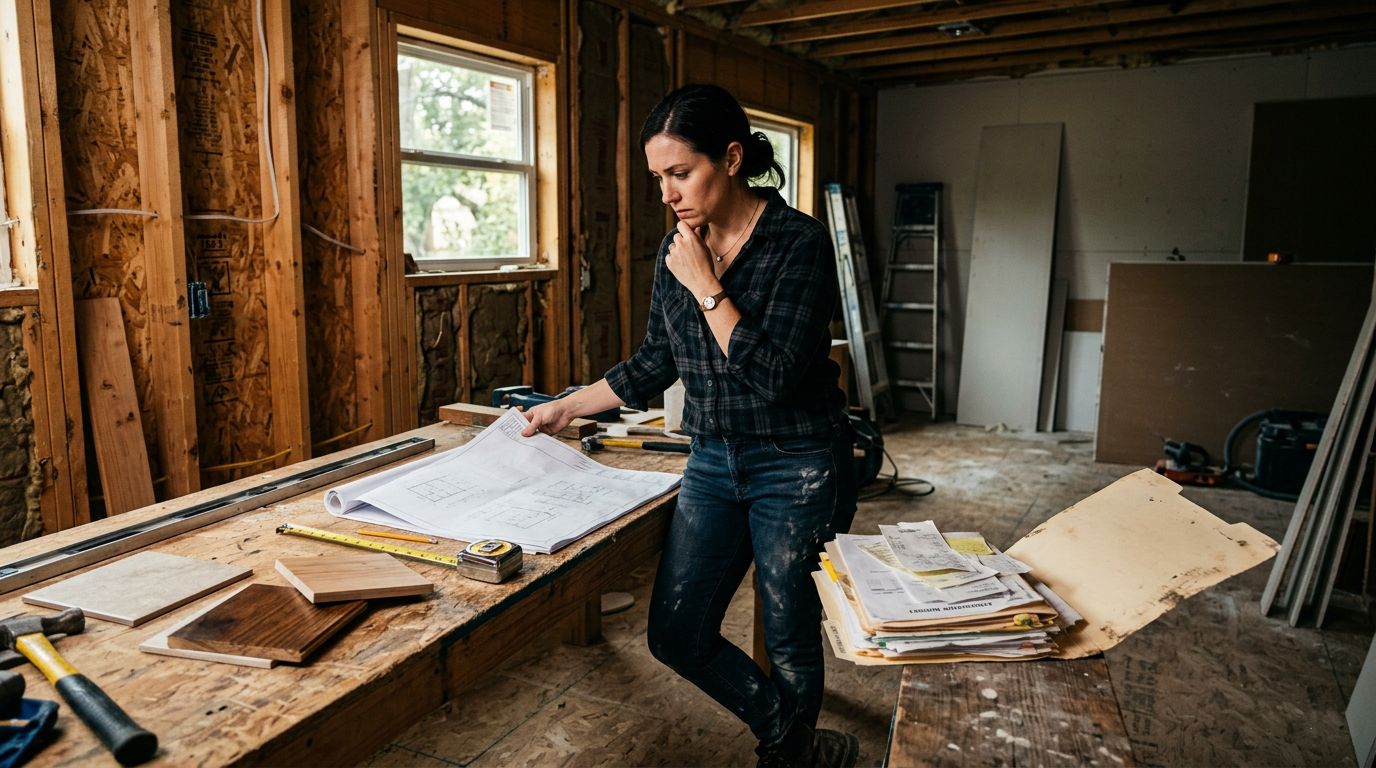
A beautiful project can become expensive when small planning errors turn into delays, change orders, or repairs. The most common remodeling mistakes usually happen before demolition begins, when homeowners rush decisions or choose a contractor based only on the lowest price.
North Texas homes face intense heat, hail, strong storms, shifting soil, and strict neighborhood requirements. Whether you’re updating a home in Denton, Argyle, Corinth, or Flower Mound, careful planning protects your budget and your property. Start by avoiding the mistakes that cause the most trouble.
Key Takeaways
- Create a detailed scope of work before requesting bids.
- Choose a qualified contractor with insurance, references, and clear communication.
- Budget for permits, site conditions, material changes, and a reasonable contingency.
- Select materials that match North Texas weather and your home’s structure.
- Confirm installation details, cleanup, warranties, and payment terms in writing.
Remodeling Mistakes That Begin With Poor Planning
Starting demolition before you finish the design is one of the costliest errors. Once walls open, you may discover outdated wiring, plumbing leaks, mold, poor insulation, or structural problems. Those findings can change the schedule and budget quickly.
Begin with a written project scope. List the rooms involved, materials, layout changes, fixtures, finishes, and work you are not including. A bathroom update may require more than new tile. You might also need ventilation, plumbing changes, waterproofing, lighting, and electrical work.
Your plan should also account for how you use the home. A large island may look attractive, but it can reduce walking space. A darker floor may suit a model home but show dust from a busy family or pets. Good residential remodeling balances appearance, maintenance, comfort, and resale value.
North Texas construction also requires attention to local conditions. Heat can affect exterior materials and sealants. Heavy rain tests drainage and flashing. Expansive clay soil can contribute to movement around foundations, patios, and additions. Your plans should address these conditions before work starts.

A useful Texas remodeling guide also recommends planning the budget, choosing durable materials, and hiring the right professionals before work begins. Those decisions are easier when you have a complete scope instead of a collection of room-by-room ideas.
Choosing a Contractor Based Only on Price
The lowest bid may leave out essential work. A contractor might exclude permit fees, disposal, surface preparation, trim, waterproofing, or final touch-ups to appear less expensive. Later, those missing items become change orders.
Compare bids line by line. Ask whether each proposal includes labor, materials, delivery, protection for existing areas, permits, inspections, cleanup, and warranty information. If one estimate is far below the others, ask why before signing anything.
You also need to verify the contractor’s experience with your type of project. A flooring specialist may not be equipped to coordinate structural changes, roofing, electrical work, or plumbing. A qualified home improvement contractor should explain which trades are involved and who manages them.
Look for a trusted contractor who provides proof of insurance, a written agreement, references, and a clear payment schedule. You should know who your main contact is and how the company handles delays or design changes.
For homeowners comparing bids, Texas remodeling advice can provide a useful list of questions to ask before hiring. The right remodeling contractor should welcome those questions rather than pressure you to decide immediately.
The JBN Group works as a local project partner for homeowners who need several trades coordinated under one plan. A family owned contractor can also give you a more direct path to the people responsible for scheduling and quality control.
Underestimating the Budget and Schedule
Many homeowners budget for visible finishes and forget the work behind them. Cabinets, tile, paint, and fixtures are easy to price. Subfloor repairs, electrical updates, framing, delivery fees, and disposal are less obvious.
Set aside a contingency for surprises. The right amount depends on the home’s age and project scope, but older houses usually need more flexibility than newer construction. Your contractor should identify known risks before work begins, not hide them inside a vague allowance.
Allow extra time for product availability, inspections, weather, and homeowner decisions. North Texas storms can delay exterior work, while high summer temperatures can affect outdoor installation schedules. Custom windows, cabinets, doors, and specialty tile may also require longer lead times.
A schedule becomes less useful when it includes no decision deadlines. Choose fixtures, flooring, paint, and hardware before the trades need them. Delayed selections can stop several parts of a project at once.
Avoid paying too much upfront. A reasonable payment plan should connect installments to completed milestones, material deliveries, or inspection points. Keep records of invoices, approvals, receipts, and changes throughout the job.
Selecting Materials That Don’t Fit North Texas
A product can look good in a showroom and perform poorly in your home. North Texas sun, humidity, wind, hail, and temperature swings place heavy demands on exterior materials.
For example, replacement windows should fit the existing opening, support energy goals, and include proper flashing and sealing. Poor installation can allow water intrusion even when the window itself is high quality. Ask about frame materials, glass options, warranty coverage, and how the installer will protect the opening.
Flooring also needs to match your lifestyle. Consider moisture, pets, traffic, direct sunlight, and subfloor conditions before choosing hardwood, luxury vinyl, tile, or carpet. Professional installation starts with a clean, level, dry surface. Skipping that preparation can cause movement, gaps, squeaks, or premature wear.
Outdoor products need the same level of care. Cedar patio covers and pergolas must handle sun, rain, drainage, and attachment points. A patio cover that lacks proper flashing can send water toward the wall of your home. Your contractor should explain how the structure connects to the house and how you will maintain the finish.
Material choices should support long-term value, not only the first impression. The right renovation company will explain maintenance requirements, expected wear, and replacement options before you approve the order.
Failing to Confirm Permits, Insurance, and Written Terms
Permit requirements vary by city and project type. A bathroom remodel in Denton may involve different reviews than an exterior addition in Highland Village or a patio structure in Southlake. Ask who pulls permits and who schedules inspections.
Your contract should state the scope, payment terms, estimated schedule, material allowances, change-order process, cleanup duties, and warranty details. It should also identify how either party can end the agreement.
Never rely on verbal promises for major work. If you approve a different tile, move a wall, or add lighting, record the change and its price before installation. A written change order prevents confusion later.
Insurance matters because accidents can happen on any job. Confirm that the company carries appropriate coverage and ask whether subcontractors are insured. The Texas State Law Library explains important consumer considerations related to construction defects in Texas, including notice requirements for certain legal claims.
A professional home remodeling company should provide this information without making you chase it. Clear paperwork protects both sides and gives you a reliable record if questions arise.
Ignoring Communication and Final Quality Checks
Poor communication can damage an otherwise sound project. You should receive regular updates about progress, deliveries, inspection results, and decisions that need your approval.
Set a weekly check-in with your contractor. Use one shared place for selections, photos, invoices, and change orders. Ask for immediate notice when the team finds hidden damage or a material problem.
Walk through the work before final payment. Check cabinet doors, grout lines, paint coverage, trim joints, flooring transitions, window operation, drainage, and hardware. Test fixtures and confirm that the work area is clean.
A final walkthrough should produce a written punch list. The contractor can then address incomplete items instead of relying on memory. Good professional installation includes the details that are easy to overlook after the main work appears finished.
For complex upgrades, working with one company can reduce coordination problems. The JBN Group provides home improvement services that may include flooring installation, window work, bathroom remodeling, outdoor living spaces, and larger renovation projects. Homeowners in Denton County, Northlake, Bartonville, Double Oak, Copper Canyon, Trophy Club, Roanoke, Grapevine, Keller, Frisco, Little Elm, and Carrollton often benefit from having one accountable project manager.
How to Protect Your Investment After Remodeling
Maintenance begins as soon as the work is complete. Keep product manuals, paint colors, warranties, inspection records, and contractor contacts in one file. You will need them if a fixture fails or you sell the home.
Clean flooring with products approved for its finish. Inspect exterior caulk and flashing each year, especially after hail or severe storms. Keep gutters clear so water does not collect near patios, windows, or foundations.
Bathroom areas deserve extra attention. Run exhaust fans during showers and afterward, check grout and sealant, and repair loose tile before water reaches the backing. Outdoor structures also need periodic inspection for finish wear, fastener issues, and drainage problems.
If you plan several upgrades, develop a phased schedule. A Denton County contractor can help you decide whether to complete windows, flooring, bathrooms, or exterior improvements together. Coordinating related work may reduce repeated demolition and protect finished surfaces.
Homeowners who want a broader plan can Contact The JBN Group to discuss project goals, materials, scheduling, and site conditions before work begins. You can also Request Your Free Consultation when you need a clear starting point.
Conclusion
The biggest remodeling failures usually come from rushed planning, incomplete contracts, weak communication, and material choices that ignore the home or climate. You can avoid many of these problems by comparing detailed bids, confirming responsibilities, and setting realistic expectations before demolition.
Quality craftsmanship also depends on the work nobody notices at first, including waterproofing, flashing, surface preparation, drainage, and final inspections. When you choose a qualified North Texas contractor, you give those details the attention they deserve.
Your next project should begin with clear information, not pressure. Call The JBN Group Today at 469-312-0990 to request a free consultation.
Frequently Asked Questions About Remodeling Mistakes
What is the most common remodeling mistake?
Starting without a complete scope of work causes many budget and schedule problems. Define the design, materials, responsibilities, and exclusions before signing a contract.
How much should you budget for unexpected remodeling costs?
Your contingency depends on the home’s age and project complexity. Older homes and projects that open walls generally need more budget flexibility.
Should you always choose the lowest remodeling bid?
No. A low bid may exclude permits, preparation, disposal, or finish work. Compare each proposal line by line before making a decision.
Do you need a permit for a bathroom remodel?
Some bathroom projects need permits, especially when they change plumbing, electrical systems, walls, or ventilation. Ask your local building department or contractor before work begins.
What should a remodeling contract include?
It should include the scope, materials, allowances, payment schedule, estimated timeline, change-order process, cleanup, warranties, and permit responsibilities.
How do North Texas storms affect remodeling projects?
Storms can delay exterior work and damage exposed materials. Your contractor should plan weather protection, drainage, flashing, and secure storage during construction.
What should you check before installing new flooring?
Check moisture levels, subfloor condition, flatness, transitions, and door clearances. A finished floor cannot correct a damaged or uneven base.
How often should you inspect replacement windows?
Inspect seals, operation, caulk, flashing, and surrounding drywall at least once each year. Check again after severe storms.
Are cedar patio covers difficult to maintain?
Cedar requires regular cleaning and finish maintenance. Inspect it for moisture damage, finish wear, and loose connections, especially after strong weather.
How can you avoid remodeling delays?
Make selections before the contractor needs them, approve changes in writing, and keep communication consistent. Delayed decisions often stop multiple trades.
Should one contractor manage several remodeling services?
One project manager can reduce scheduling conflicts when work involves flooring, windows, bathrooms, roofing, or outdoor improvements. Confirm that the company has experience coordinating all required trades.
What is a punch list?
A punch list records incomplete or defective items found during the final walkthrough. It may include paint touch-ups, hardware adjustments, cleanup, or minor finish repairs.
How do you verify a remodeling contractor?
Ask for references, proof of insurance, a written agreement, examples of related work, and clear contact information. Verify that the contractor explains the scope and payment schedule in detail.
Is professional installation important for exterior improvements?
Yes. Proper attachment, flashing, drainage, and sealing help protect your home from water and weather damage. Product quality cannot make up for poor installation.
When should you contact a renovation company?
Contact a renovation company during the planning stage, before buying materials or removing finishes. Early advice can identify structural, permit, and coordination issues before they become expensive.