
Garage Door Installation in Denton, Texas
Garage door installation in Denton, Texas means replacing or fitting a new overhead door system that is correctly sized, safely balanced, weather-sealed, and built to perform reliably in North Texas conditions. The JBN Group is a strong choice for Denton homeowners because the work combines durable materials, insulation-focused product guidance, code-aware installation methods, and responsive local service that protects both curb appeal and daily function.
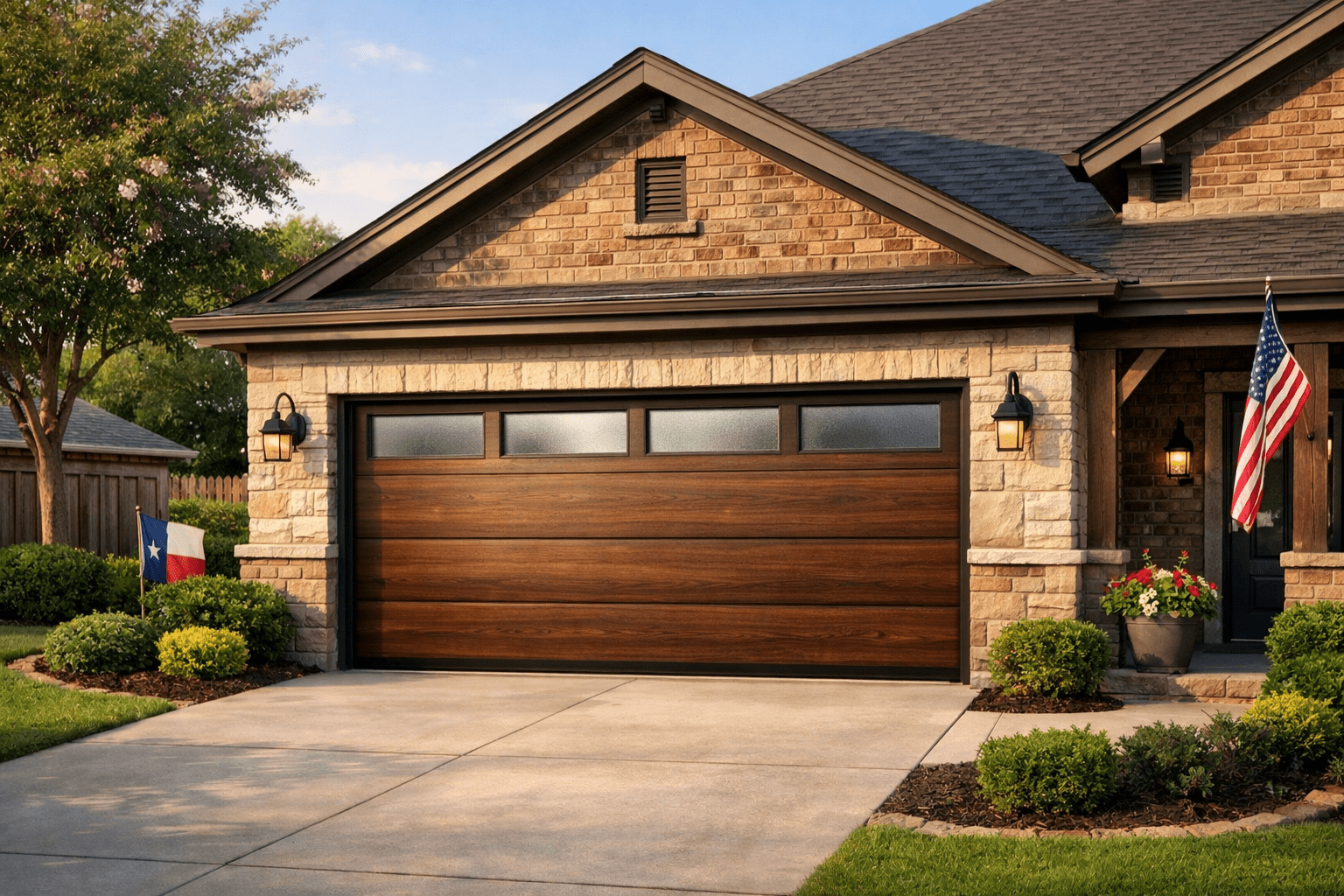
Insulation and materials selected for heat, wind, and daily use in North Texas.
Balanced springs, aligned tracks, and tested safety systems for smooth performance.
Modern, traditional, carriage, and wood-look options matched to your home.
Clear recommendations and dependable scheduling from a nearby team.
Why Denton Homeowners Choose The JBN Group
A garage door installation is more than a cosmetic upgrade. It includes evaluating the opening, selecting the right panel construction, matching hardware and opener compatibility, installing tracks and springs correctly, sealing the perimeter, and testing the full system so the door opens safely and closes tightly. For homeowners in Denton, that matters because the garage door is one of the largest moving components in the home and one of the most visible parts of the exterior.
The JBN Group approaches installation with the kind of practical detail that reduces future headaches. Instead of pushing a one-size-fits-all product, the team helps homeowners weigh insulation value, door weight, material durability, maintenance expectations, and architectural fit. That guidance is especially important in North Texas, where sun exposure, temperature swings, seasonal storms, and daily vehicle use can quickly reveal weaknesses in lower-quality products or rushed installation.
Homeowners also choose The JBN Group because reliability starts before the first panel is lifted into place. Responsive scheduling, transparent recommendations, and clearly explained options make it easier to choose a door that fits the home and the budget without sacrificing long-term performance. If you want to talk through style options, insulation levels, or replacement timing, you can speak directly with the team at 469-312-0990.
- Durability that stands up to frequent opening cycles, strong sun exposure, and changing weather conditions.
- Insulation options that can help moderate garage temperatures, reduce outside noise, and improve comfort in attached garages.
- Quieter day-to-day operation through proper balance, quality rollers, precise track alignment, and compatible opener setup.
- Better curb appeal through coordinated styles, colors, window layouts, and decorative hardware that fit Denton-area homes.
- Professional workmanship that lowers the risk of premature wear, uneven movement, air leaks, and repeat repair calls.

Garage Door Options, Materials, and Performance Details
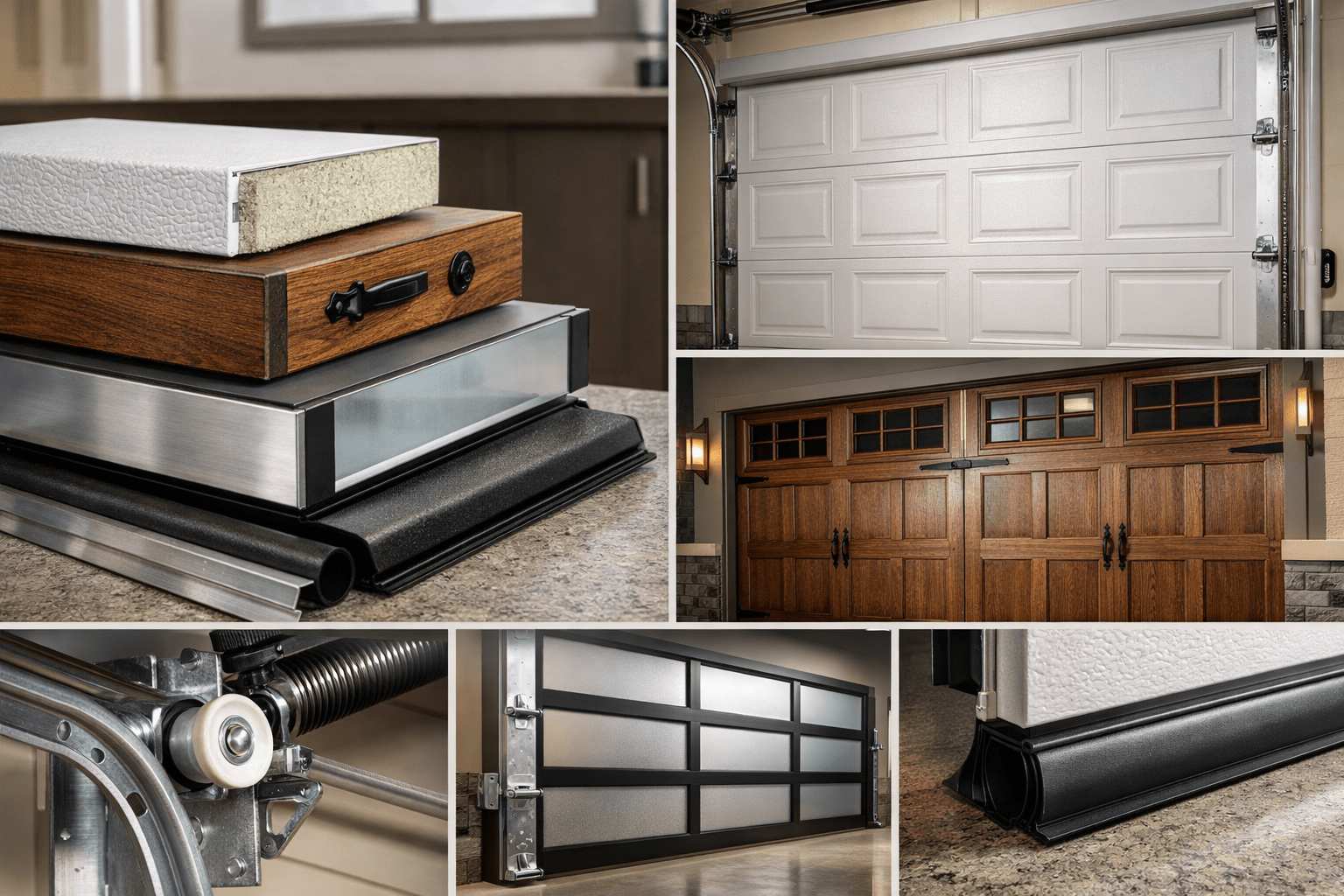
Choosing the right garage door starts with understanding how materials affect strength, maintenance, appearance, and insulation. Steel remains one of the most popular choices because it offers solid durability, broad style flexibility, and a lower-maintenance finish than natural wood. Insulated steel doors add another layer of value by improving thermal performance and making operation feel more substantial and quieter. For many Denton homes, insulated steel hits the best balance of appearance, efficiency, and long-term practicality.
Aluminum doors are lighter and can work well for contemporary designs, especially when homeowners want clean lines and glass accents. Composite and wood-look doors are ideal when curb appeal is a major priority but homeowners prefer easier upkeep than traditional wood often requires. Wood-look designs can provide warmth and character without the same level of refinishing or moisture-related concern. Actual wood doors still appeal to some homeowners for their distinctive appearance, but they typically require more maintenance and careful attention to finish condition.
Insulation matters in Denton because garages can absorb a great deal of heat. A properly insulated door can help stabilize temperatures, reduce radiant heat transfer, and improve comfort in spaces adjacent to the garage. It can also lessen road noise and soften the sound of the door itself during operation. For attached garages, insulation is often one of the most meaningful upgrades because it supports both energy efficiency and everyday comfort.
Material Selection
Steel offers dependable durability and broad design flexibility. Insulated steel adds energy and noise benefits. Aluminum supports modern aesthetics with lighter weight. Composite and wood-look products bring upscale style with lower maintenance expectations than natural wood.
System Components
Performance depends on more than the door panels. Tracks, rollers, hinges, torsion springs, cables, brackets, seals, and opener compatibility all influence safety, smooth travel, and service life. Quality installation ties those parts together correctly.
Style and Design
Panel profiles, window placement, glass type, color selection, and decorative hardware all shape the final look. A well-chosen garage door can frame the front elevation of the home and noticeably improve visual value from the street.
Installation Process and Local Building Standards in Denton
A high-quality installation follows a clear process. First comes the site assessment, which confirms opening dimensions, side room, headroom, backroom, floor level, framing condition, and opener compatibility. If an existing door is being replaced, the old system is removed carefully so the opening can be inspected for wear, settling, or damaged attachment points. That step matters because even a premium door can perform poorly if the framing or anchor points are not properly prepared.
Next comes precise measuring and door configuration. The correct width, height, track type, spring setup, panel order, and hardware package are selected to fit the opening and intended use. During installation, tracks are mounted accurately, panels are set and connected in sequence, rollers and hinges are installed, and the spring system is balanced to support smooth movement. Weather seals and perimeter seals are added or replaced to limit air intrusion, dust, and moisture at the edges of the opening.
Opener integration is another critical stage. The door must be balanced correctly before the opener is relied upon for lifting force. Sensors need proper alignment, travel limits need adjustment, and safety reversal functions should be tested so the system responds appropriately. These details are not optional. They directly affect safety, noise level, wear patterns, and whether the opener motor is forced to work harder than it should.
Local best practices in Denton also call for attention to proper anchoring, wind resistance considerations, safe spring setup, seal integrity, and manufacturer-compliant installation methods. Even when homeowners are focused on appearance first, execution standards make the difference between a door that looks good for a few months and a door that remains reliable over the long term. Precise installation helps prevent binding, uneven movement, cable stress, premature roller wear, and repeated service issues that often trace back to initial setup mistakes.
1. Site Assessment
The opening is evaluated for measurements, framing condition, clearance, floor level, and the presence of any issues that could affect safe installation or long-term operation.
2. Door Removal and Prep
If replacing an existing system, the old door and hardware are removed, the structure is reviewed, and the opening is prepared for proper attachment and sealing.
3. Hardware and Panel Installation
Tracks, brackets, rollers, hinges, and panels are installed in the correct sequence so the system travels evenly and supports the intended load safely.
4. Spring Balancing
The spring system is calibrated so the door lifts and lowers smoothly with controlled force, reducing opener strain and improving daily reliability.
5. Safety Testing
Sensor alignment, opener travel settings, reversal checks, seal fit, and overall movement are tested to confirm the installation performs the way it should.
6. Final Walkthrough
Homeowners receive practical guidance on operation, maintenance expectations, and how material and insulation choices affect future upkeep and comfort.
Frequently Asked Questions About Garage Door Installation
These answers are written to solve the most common concerns Denton homeowners have when deciding whether to repair, replace, or upgrade a garage door system.
My garage door is noisy or off-balance. Should I repair it or replace it?
If the noise comes from worn rollers, loose hardware, or a minor adjustment issue, a repair may be enough. If the door is aging, visibly damaged, poorly insulated, repeatedly failing, or showing signs of structural wear, replacement is often the better solution because it addresses both safety and performance at the same time. In Denton, where heat and frequent use can accelerate wear, replacement becomes especially worthwhile when the current door no longer seals properly or the opener is straining to move it.
My garage gets too hot. What type of door helps the most?
An insulated steel garage door is usually the most practical answer for heat control. The insulated core helps reduce heat transfer, the layered construction can improve noise control, and the exterior finish generally requires less maintenance than wood. Pairing the door with quality bottom seals, perimeter weatherstripping, and proper installation can make a noticeable difference in garage comfort, especially for attached garages or homes with rooms adjacent to the garage.
My opening is an unusual size. Can I still get a proper fit?
Yes, in many cases you can. A professional site assessment determines the real dimensions of the opening, available clearance, track requirements, and whether a standard or custom-sized solution makes the most sense. This is one of the clearest reasons to work with an experienced installer rather than guessing based on nominal door size. The right measurements and hardware setup are what deliver proper fit, safe travel, and a clean finished appearance.
How long does installation take, and what should I expect on installation day?
Many straightforward residential installations can be completed within a day, though exact timing depends on door type, opener integration, condition of the existing opening, and whether the old system needs removal. Homeowners should expect measuring verification, careful handling of panels and hardware, spring balancing, opener testing, and final safety checks. A professional installation should feel organized and methodical, not rushed, because the details affect how the door performs every day after the job is done.
What maintenance protects my investment after installation?
The best ongoing care includes periodic visual inspections, keeping tracks clear, checking seals for wear, lubricating approved moving components when needed, and watching for changes in sound or movement. Homeowners should avoid adjusting springs on their own, since those components are under significant tension. If you are unsure which material, insulation level, or maintenance plan fits your home, call 469-312-0990 for guidance before you commit to a product or schedule installation.
Schedule Your Free Garage Door Installation Consultation
If you need garage door installation in Denton, Texas, The JBN Group can help you compare door styles, insulation levels, hardware options, pricing considerations, and scheduling availability with clear, practical recommendations. Reach out online to get started, or call 469-312-0990 to discuss your project with a local team that understands what Denton homeowners expect from a dependable installation.
Professional garage door installation, durable materials, code-aware execution, and local service designed for long-term reliability.