
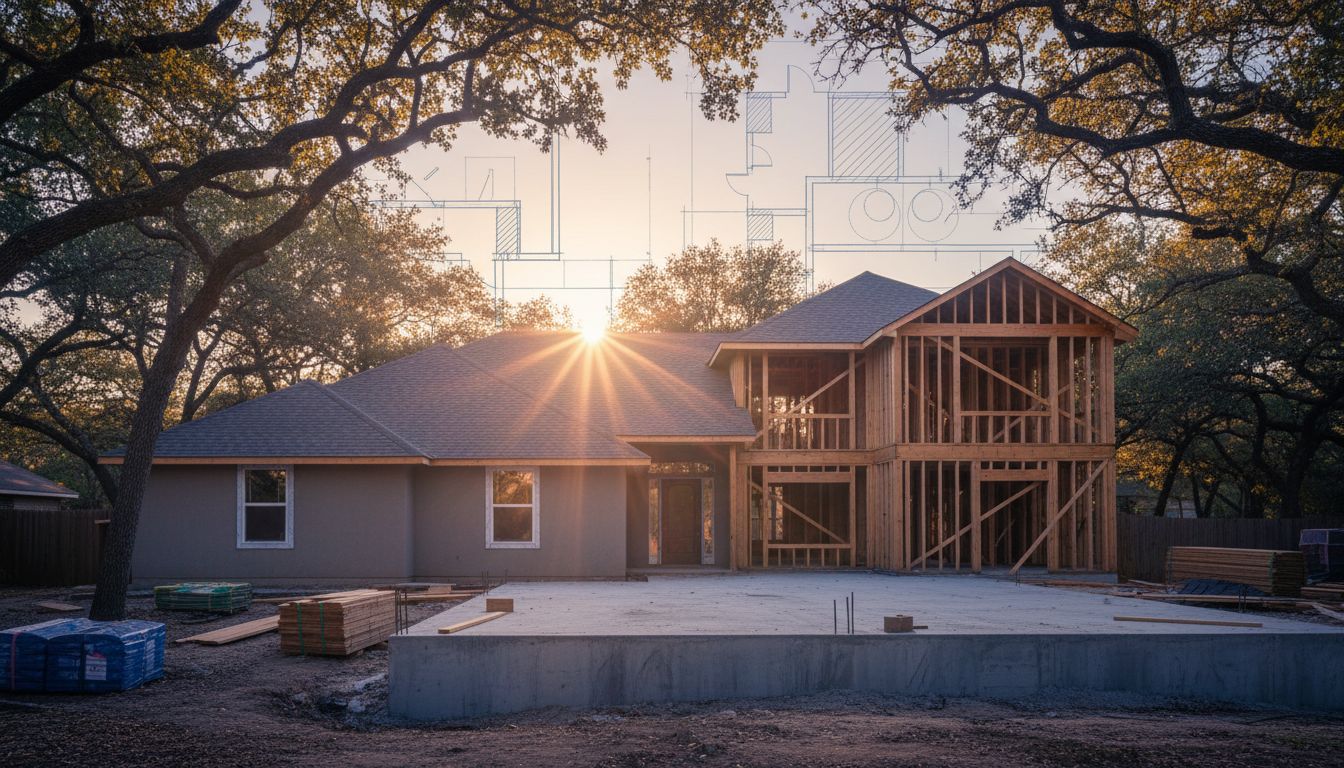
Sticker shock is common when you first price a home addition in Denton County. A small bump-out can look affordable on paper, then climb fast once concrete, HVAC, and roof work enter the bid.
In 2026, most homeowners don’t want a national average. They want a local number that fits North Texas labor, city reviews, and the finish level they will live with every day. The useful answer is a range, not one magic price.
Start with that range, then look at the details that push a project up or down.
Typical 2026 cost per square foot in Denton County
For a standard ground-level addition, local estimates can start around $80 to $130 per square foot for basic construction. That lower band usually means a simpler room with plain materials. Once the space becomes true finished living area, many Denton-area estimates land closer to $120 to $240 per square foot, which matches HomeBlue’s Denton addition cost page.
A square foot in a bedroom is not priced like a square foot in a kitchen. The more systems and finish work a room needs, the more your Denton County addition cost moves upward.
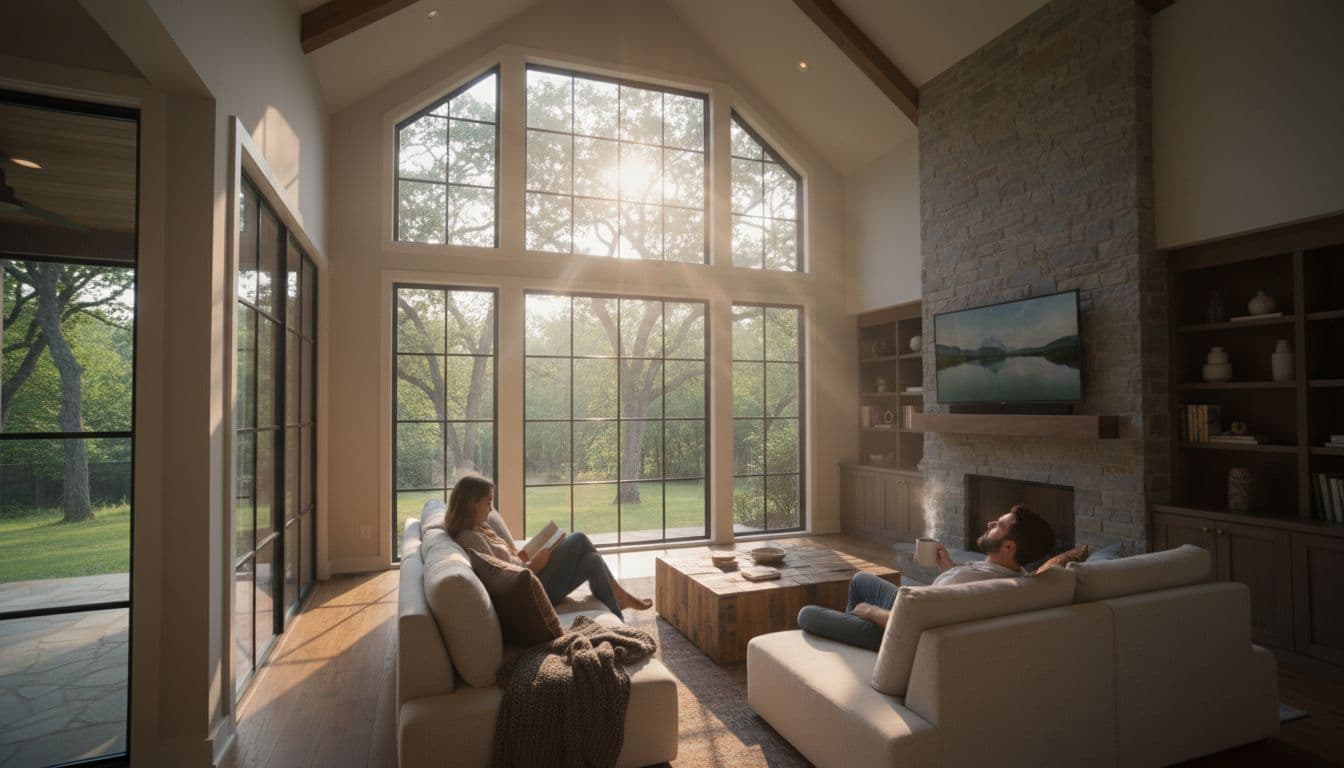
These ranges are a practical starting point for homeowners in 2026:
| Addition type | Typical local range | Why it lands there |
|---|---|---|
| Bedroom or home office | $150 to $200 per sq. ft. | Standard finishes, limited plumbing |
| Family room addition | $200 to $275 per sq. ft. | Larger windows, HVAC, insulation, finish work |
| Kitchen addition | $200 to $300+ per sq. ft. | Cabinets, plumbing, electrical load, appliances |
| Second-story addition | $300 to $550+ per sq. ft. | Structural work, stairs, roof rebuild |
The pattern is simple. Bedrooms and offices usually stay closer to the middle. Kitchens and primary suites rise fast because they pack more labor into the same footprint. If you’re comparing room types, custom home additions in Denton gives a good picture of the local options homeowners build.
Second-story work is its own category. DFW home addition pricing also shows much higher upstairs costs because the job often includes structural reinforcement, stair space, and major roof changes.
This is why price-per-foot helps most at the planning stage. It tells you the band. It does not tell you the final number without a detailed scope.
Why your addition can land above the average
Most homeowners do not get surprised by paint or flooring. They get surprised by the work behind the walls.
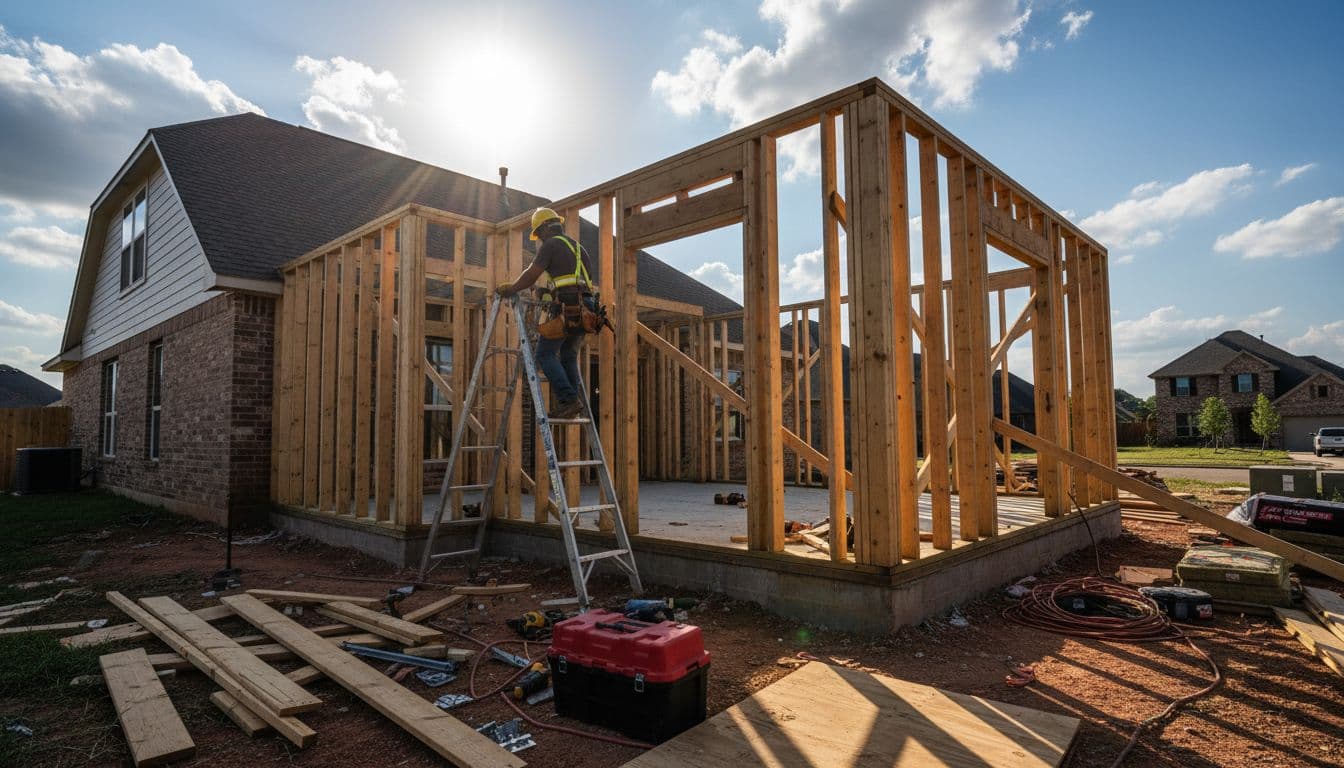
Denton County homes are not all built the same, and neither are the lots. A flat lot with easy access, simple drainage, and a straightforward slab is cheaper to build on. Costs rise when the site needs grading, tree work, utility moves, or extra drainage to handle North Texas rain.
Foundation type matters too. Many local homes sit on slab foundations, but older homes can have pier-and-beam sections or past movement that needs review. If an engineer has to redesign the footing or tie new work into an uneven structure, the low-end square-foot rate disappears fast.
The lowest quote often leaves out the items that make the new room feel like it was always part of the house.
Mechanical systems change the math as well. A basic bedroom may share existing HVAC with minor duct changes. A larger suite might need a new zone, a bigger unit, or new returns. Add a bathroom, wet bar, or full kitchen, and plumbing, venting, drain lines, and water heater capacity can add thousands.
Roofing tie-ins are another big swing factor. Matching roof pitch, shingles, flashing, attic ventilation, and ceiling heights takes time. If the existing roof is older, some contractors may recommend broader roof work so the connection holds up and looks right.
Finish level is the last major driver. Builder-grade windows, stock doors, basic flooring, and simple trim keep pricing in line. Custom cabinets, oversized glass, tall ceilings, tile showers, and premium fixtures can push the cost well above average.
Permits also vary by city inside Denton County. Review steps, setbacks, plan comments, and inspection timing can differ, so two similar homes can get very different numbers before framing even starts.
How to budget before you collect bids
Start with the type of room, then give yourself an honest finish target. A basic office, a mid-range family room, and a high-end kitchen addition may all have the same square footage, but they do not share the same budget.
For rough planning, a 200-square-foot office or bedroom often lands around $30,000 to $40,000 with simple finishes. A 400-square-foot family room can reach $80,000 to $110,000. Meanwhile, a 300-square-foot kitchen or primary suite can move past $75,000 quickly because each square foot carries more labor and more materials.
Small additions can fool people. Fixed costs, like design work, permits, surveys, and engineering, do not shrink much just because the room is smaller. That is why a 120-square-foot addition can look expensive on a per-foot basis.
Also budget for the old house, not only the new space. Flooring transitions, paint blending, door moves, and window changes often sit outside the headline square-foot price, yet they matter if you want the addition to look original.
Local price trackers show the same spread. Denton room addition cost data covers projects with a wide range because scope changes everything, from simple rooms to more complex builds.
Before you compare bids, ask every contractor to break out foundation, framing, roofing, HVAC, plumbing, electrical, insulation, drywall, and finish allowances. That makes it much easier to spot a low quote that is missing real work. If the addition also forces updates in the older part of the house, full home remodeling with additions in Denton can be a better comparison point than an addition-only number.
Add a 10 to 15 percent cushion for changes, hidden issues, and code-driven upgrades. In 2026, that is normal planning.
Final thoughts
A realistic Denton County addition cost per square foot is a range, not a promise. Ground-level space with simple finishes can start low, while kitchens, primary suites, and second-story work climb quickly.
What matters most is the scope behind the number. When you compare bids line by line, especially for foundation work, HVAC, plumbing, roofing tie-ins, and finishes, the price-per-foot becomes a useful planning tool instead of an unpleasant surprise.