
- Complete Bathroom Remodel
- Tub or Shower Replacement
- Free Design Consultation
- Replacement Showers
- Shower to Tub Conversions
Are you thinking about converting your bathtub into a shower? Our bathroom conversion service offers everything you need, including labor, materials, and shower glass doors. Let us help you transform your bathroom into a beautiful and functional shower space.
Get Your FREE Estimate Today
By submitting this form, you consent to receive updates from us. We respect your privacy and will use your information per our Privacy Policy. You can unsubscribe anytime via the instructions in our emails.













Key Points for Bathroom Remodeling
Plan Your Layout: Before starting any renovations, carefully consider the layout of your bathroom. Assess the current space and determine if you want to keep the existing plumbing or make changes. A well-thought-out layout can enhance functionality and aesthetics.
Set a Realistic Budget: Establish a budget that includes all aspects of the remodel, such as materials, labor, and unexpected costs. It’s advisable to set aside an additional 10-20% of your budget for unforeseen expenses that may arise during the project.
Choose Quality Materials: Invest in durable and water-resistant materials for flooring, countertops, and fixtures. Porcelain tiles, quartz countertops, and high-quality plumbing fixtures not only enhance the look but also ensure longevity.
Incorporate Proper Ventilation: Ensure your bathroom has adequate ventilation to prevent moisture buildup, which can lead to mold and damage. Installing a good exhaust fan is essential for maintaining air quality and protecting finishes.
Focus on Lighting: Good lighting is crucial in a bathroom for both functionality and ambiance. Consider layering different types of lighting (overhead lights, sconces by mirrors) to create a well-lit space that is both practical and inviting.
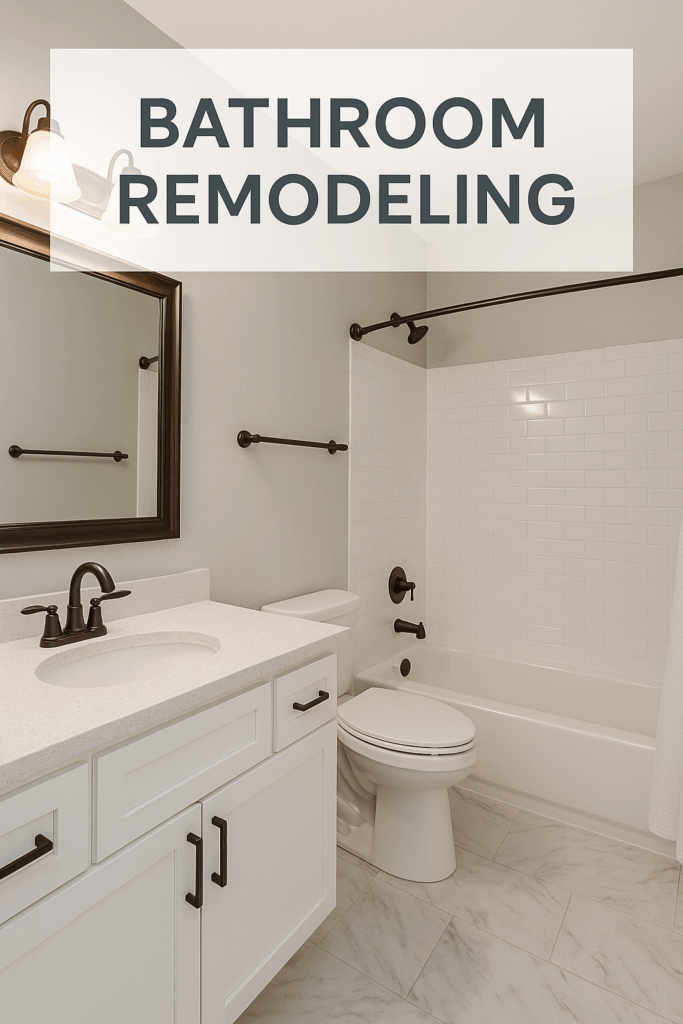

Essential Steps to Consider Before Starting a Bathroom Renovation
1. Assess Your Goals and Needs
Before diving into a bathroom renovation, it’s crucial to clearly define your goals. Ask yourself what you want to achieve with the renovation. Are you looking to improve functionality, update the aesthetics, increase storage, or enhance the overall value of your home? Understanding your priorities will guide all subsequent decisions.
2. Evaluate the Existing Space
Take a close look at your current bathroom layout and functionality. Identify any limitations or pain points that need addressing. For example, consider whether you need more storage space, better lighting, or if certain fixtures are poorly placed. This evaluation will help inform your design choices.
3. Set a Realistic Budget
Establishing a budget is one of the most critical steps in any renovation project. Research average costs for materials and labor in your area to get an idea of what you can expect to spend. Be sure to include a buffer for unexpected expenses that may arise during the renovation process.
4. Plan Your Design and Layout
Once you have assessed your needs and set a budget, start planning the design and layout of your new bathroom. Create mood boards or gather inspiration from various sources like Pinterest or home improvement magazines. Consider how different elements will work together in terms of color schemes, materials, and overall style.
5. Choose Materials Wisely
Selecting materials is essential for both aesthetics and functionality in a bathroom setting. Consider water-resistant options for flooring and wall coverings, as well as durable fixtures that can withstand daily use. Make sure to balance quality with cost-effectiveness when making these selections.
6. Hire Professionals When Necessary
Depending on the complexity of your renovation, it may be wise to hire professionals such as contractors, electricians, or plumbers for specific tasks like plumbing or electrical work. Their expertise can help ensure that everything is done correctly and safely according to local building codes.
7. Obtain Necessary Permits
Before starting any construction work, check with local authorities regarding required permits for renovations in your area. This step is crucial for ensuring compliance with building regulations and avoiding potential fines or issues down the line.
8. Create a Timeline
Developing a timeline for your renovation project helps keep everything organized and on track. Outline each phase of the project from demolition through final touches so that you have clear expectations about when each task should be completed.
By following these essential steps before starting a bathroom renovation, you can set yourself up for success and create a space that meets both your functional needs and aesthetic desires.