
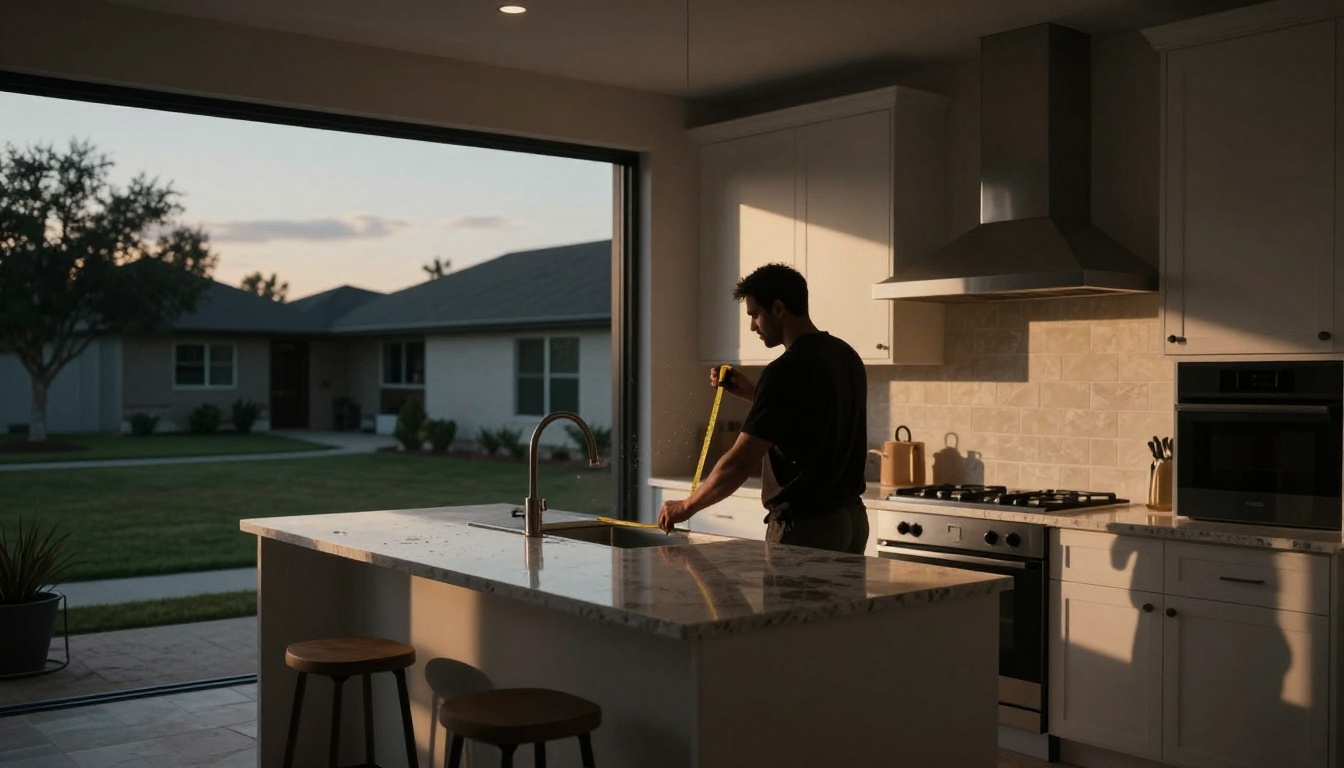
Sticker shock usually comes from one thing, expecting a single number for a project that can swing by tens of thousands. If you’re researching Aubrey remodeling prices, the smartest place to start is with realistic ranges.
In Aubrey and the wider North Texas market, labor, materials, and permit-related costs have stayed firm into 2026. That means early planning matters more than ever. Here’s what those numbers often look like before you call a contractor.
2026 Aubrey remodeling prices by project type
For full renovations in Aubrey and nearby Denton County, many projects land between $100 and $250 per square foot. Still, most homeowners aren’t remodeling every inch of the house. They want a kitchen, a bath, an addition, or a major refresh.
This quick table gives you a practical starting point:
| Project type | Typical 2026 range | What pushes cost higher |
|---|---|---|
| Kitchen remodel | $20,000 to $40,000 for a minor update, $45,000 to $90,000+ for a fuller remodel | Custom cabinets, layout changes, premium appliances |
| Bathroom remodel | $15,000 to $30,000 for a secondary bath, $30,000 to $60,000+ for a primary bath | Large showers, tile work, plumbing moves |
| Whole-home renovation | $60 to $150 per sq. ft. for mid-range work, $150 to $250+ per sq. ft. for major overhauls | Older systems, structural work, high-end finishes |
| Room addition | Often $150 to $300+ per sq. ft., commonly $60,000 to $200,000+ total | Foundation, roof tie-in, HVAC, permits |
| Roofing and exterior updates | Asphalt roof $10,000 to $18,000, metal roof $25,000 to $60,000, exterior window and door work $10,000 to $40,000 | Size, pitch, hidden damage, material level |
If your project moves walls or adds plumbing lines, the price usually climbs faster than most homeowners expect.
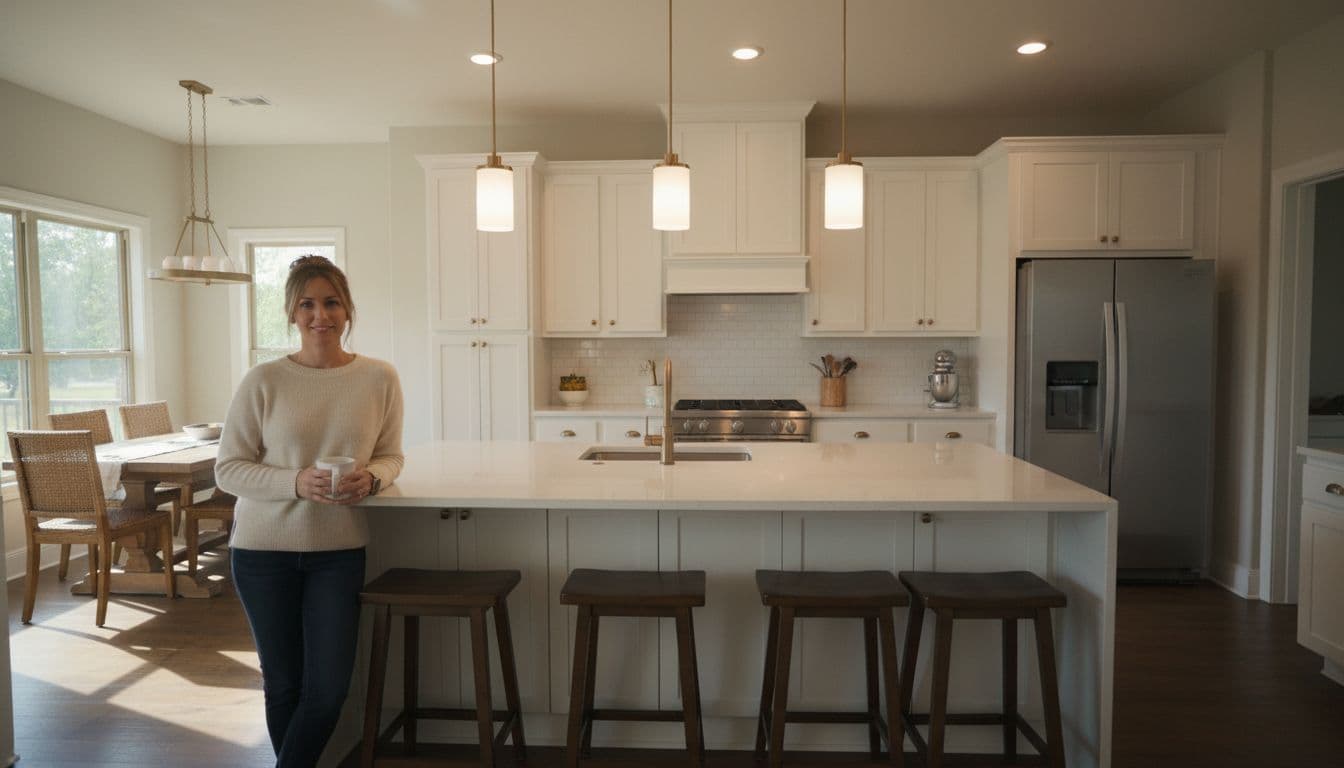
Kitchen remodels often sit near the top of the price scale because they combine cabinets, countertops, electrical, plumbing, flooring, and appliances in one space. In many Aubrey homes, keeping the sink and range in place can save a lot.
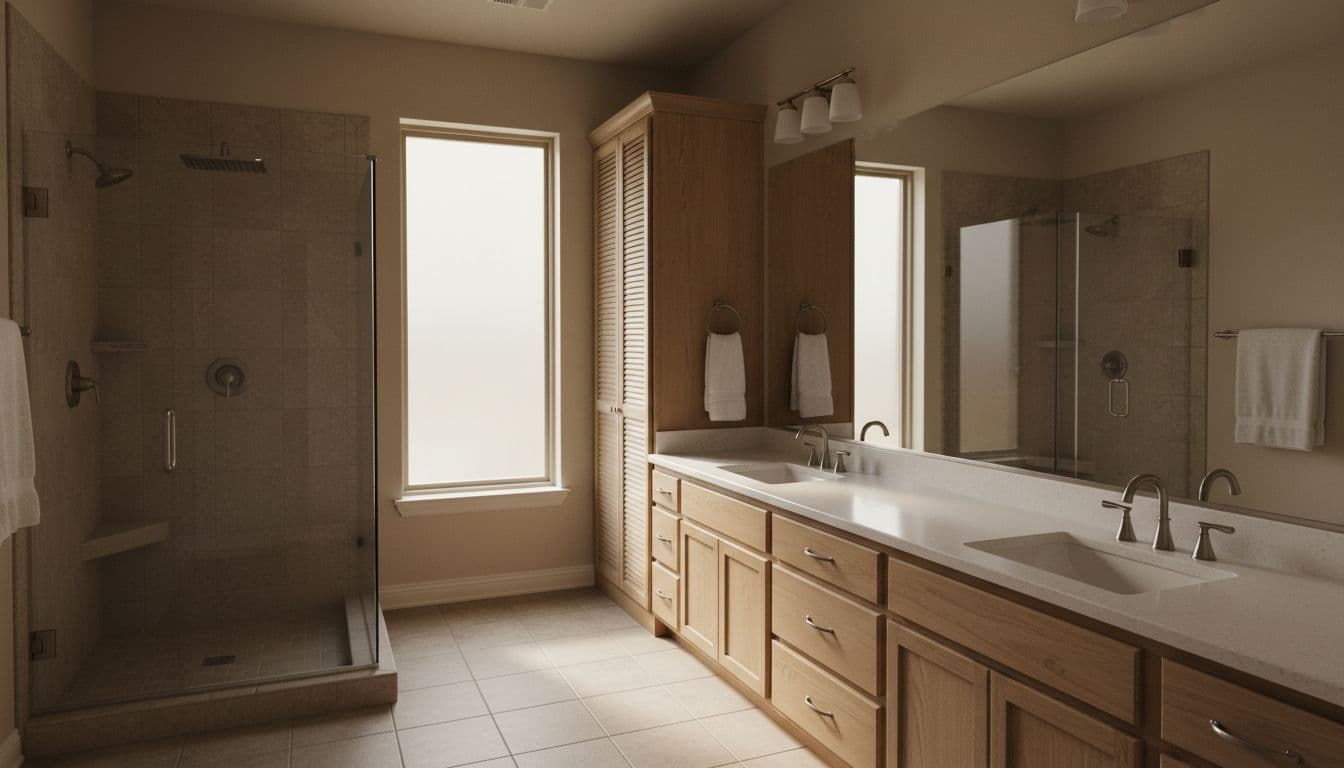
Bathrooms follow a similar pattern. A simple guest bath update costs far less than a primary bath with a large walk-in shower, frameless glass, and full-height tile. Even a small room can carry a big price when every finish is moisture-rated and labor-heavy.
Whole-home work and additions are where budgets can spread the most. A cosmetic refresh with paint, flooring, and fixtures feels one way. A project with beam work, new layouts, HVAC changes, and custom millwork feels like building half a new house inside the old one.
What makes one Aubrey quote much higher than another
Two bids can look miles apart, yet both can be honest. The difference usually comes down to scope, allowances, and what the contractor expects to uncover.
Home size changes labor hours and material totals fast. Material selections matter too. Stock cabinets, builder-grade tile, and standard plumbing fixtures keep numbers lower. Custom cabinetry, slab showers, and specialty lighting push them up.
Older homes across Denton County often need hidden repairs. Once walls open, you may find outdated wiring, plumbing issues, framing changes, or insulation gaps. Newer Aubrey homes can avoid some of that, but not always. Poor site access, drainage issues, and slab or framing problems can also add cost.
Permits shape the final number more than many people think. If your remodel changes structure, electrical, plumbing, HVAC, or square footage, permit fees and inspection steps usually come with it. That doesn’t mean the project is overpriced. It means the work is being done above board.
Then there’s scope creep. A remodel often starts with “let’s update the kitchen” and turns into “while we’re here, let’s rework the pantry, flooring, and lighting too.” That’s normal. Still, it’s why early planning saves money.
How to budget smart and know when you need an in-home estimate
A smart remodeling budget has three parts: your target spend, your ceiling, and your reserve. For most Aubrey projects, keep a 10 to 20 percent cushion for changes or hidden conditions. That buffer protects you when an old shut-off valve leaks or subfloor damage shows up under tile.
When you compare quotes, don’t look at price alone. Check what’s included, what’s an allowance, and what’s missing. A lower quote can turn expensive if it skips demo haul-off, permit costs, trim work, or finish installation details.
Ask every remodeler the same core questions:
- What is included in the base price? Ask about permits, demo, debris haul-off, and final finishes.
- What allowances are you carrying? This matters for cabinets, tile, plumbing fixtures, lighting, and countertops.
- Will the layout change? If yes, ask how that affects plumbing, electrical, and structural work.
- What could change the quote after demolition? This is where hidden damage and code updates show up.
A detailed in-home estimate becomes necessary once your project includes layout changes, additions, custom selections, or an older home. Photos and rough measurements can help early on, but they won’t show floor level issues, wall conditions, attic access, or the real path for new plumbing and wiring.
That walk-through is where a rough range turns into a real plan. It’s also where you learn whether the contractor is thinking ahead or guessing.
A remodel budget shouldn’t feel like throwing darts in the dark. With clear scope, realistic allowances, and a solid reserve, Aubrey remodeling prices start to make sense.
The best next step is simple. Get an in-home estimate when your project moves past basic cosmetic work, then compare bids line by line. That’s how you protect your budget before construction starts.