Patio Cover Cost
How Much Does a Patio Cover Cost? The short answer on patio cover cost is that prices can vary a lot. Size, material, roof style, labor, permits, and finish details all move the number up or down.
For rough planning, a simple attached cover may start in the mid-thousands, a solid mid-range build often lands around the national average cost of $9,500 to $16,000, and larger custom outdoor living projects can run $20,000 or more. In North Texas, local labor costs, city requirements, and weather-ready construction can also affect bids.
That wide spread can feel frustrating at first. Still, once you know what drives price, it gets much easier to set a budget and avoid surprise costs.
Key Takeaways
- Patio cover costs range widely from mid-thousands for basic attached shade to $9,500–$16,000 for mid-range builds and $20,000+ for custom outdoor living spaces, with national averages around $9,500–$16,000.
- Key price drivers include size, roof style, materials (like aluminum for low maintenance or cedar for aesthetics), site prep, permits, engineering, and extras such as electrical, lighting, fans, or concrete work.
- Always compare detailed quotes covering full scope—dimensions, materials, permits, site work, and warranties—to avoid surprises, as low bids often skip essentials.
- Match your budget to intended use: simple shade needs less than year-round comfort with insulation, fans, and finishes.
- In North Texas, local labor, weather-resistant construction, HOA rules, and code requirements can push costs higher for durable, compliant builds.
Average patio cover cost ranges, from simple shade to custom outdoor living spaces
Some patio covers are little more than overhead shade. Others are closer to a backyard room. That difference is why two bids can look miles apart.
Some contractors price by cost per square foot. Others quote the whole project as one number. Because of that, compare the full scope first, including the cost per square foot for materials and labor. A lower bid may leave out electrical work, slab changes, stain, or permit handling.
This quick table gives you a practical starting point:
| Patio cover type | Typical budget range | What it usually includes |
|---|---|---|
| Basic attached cover | Mid-thousands to around $9,000 | Simple roof, posts, standard install |
| Mid-range insulated or larger cedar cover | Around $9,500 to $16,000 | Better materials, cleaner trim, more comfort |
| Custom outdoor living structure | $16,000 to $30,000+ | Premium design, lighting, fans, finish upgrades |
The main takeaway is simple: price follows scope. A patio cover is rarely “expensive” or “cheap” on its own. It depends on what you’re building, especially with custom patio covers that create a true outdoor living space.
What a basic patio cover usually costs
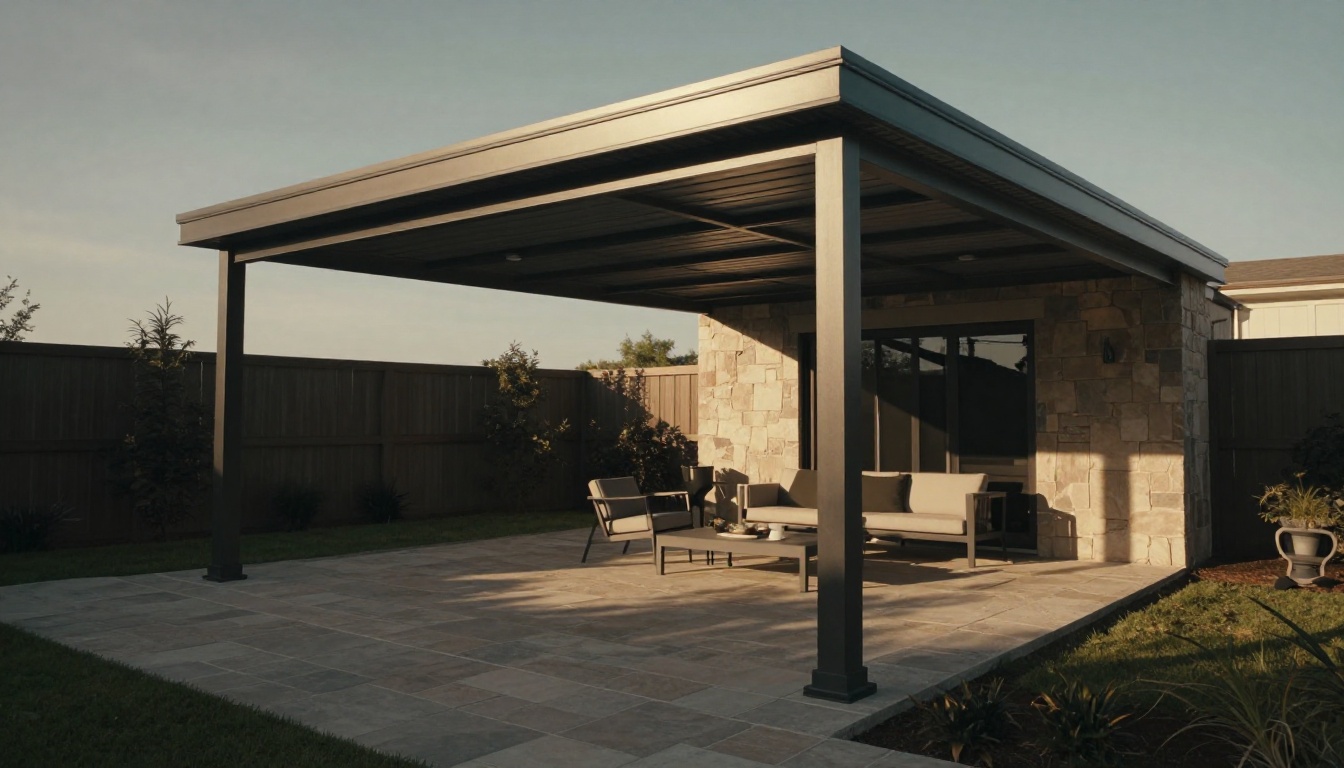
A basic patio cover is the most budget-friendly path. This is often a standard attached cover with a simple roofline, basic posts, and modest finishes, including options like aluminum patio covers or a lattice patio cover. It gives you shade and rain protection without a long upgrade list.
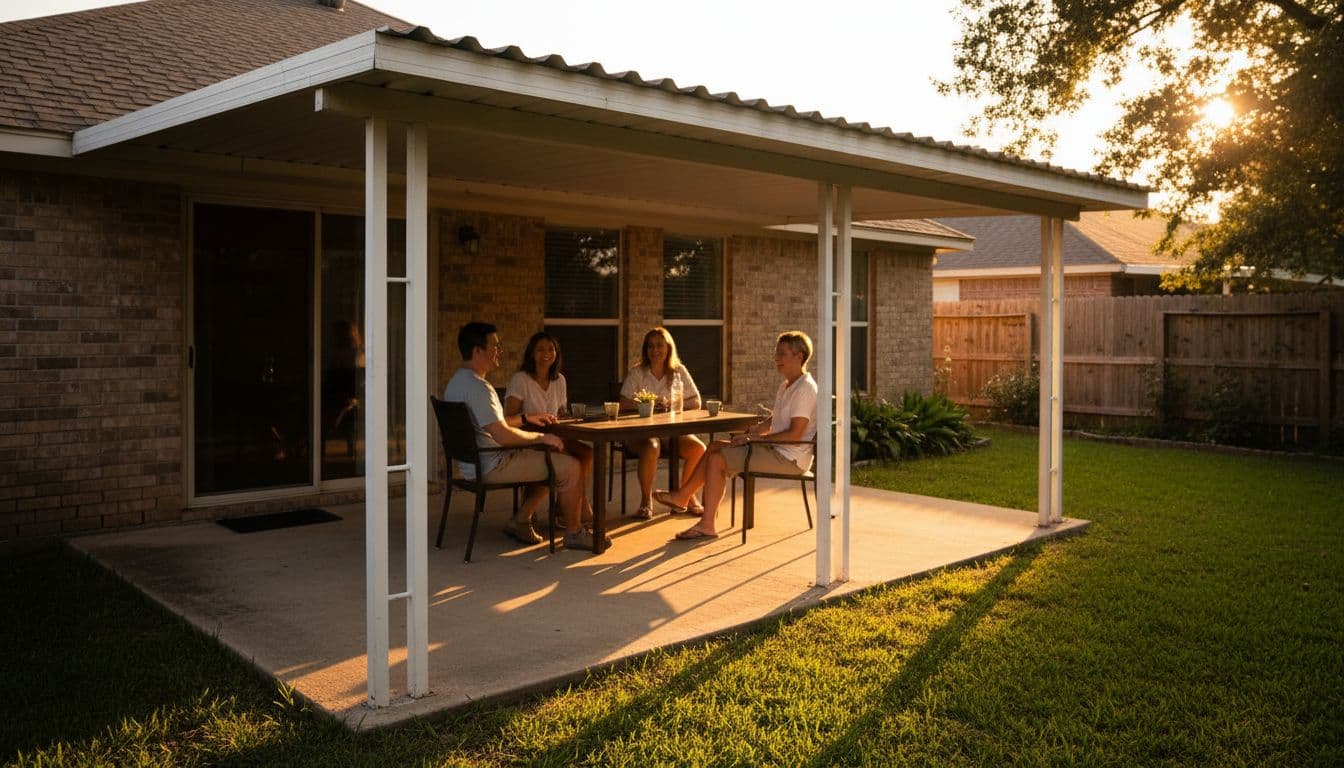
In many cases, the base price includes framing, roof panels, posts, and standard installation cost. However, extras often show up fast. Lighting, ceiling fans, post upgrades, stain or paint, and slab extensions may all cost more.
This tier fits homeowners who mainly want relief from sun and light rain. It’s practical, but it usually doesn’t include the details that make the space feel like a finished outdoor room.
What you can expect to pay for a mid-range build
Mid-range patio covers are where comfort and value often meet. These builds are usually larger, better finished, and more tailored to the home, such as a solid patio cover or pergola with enhanced features.
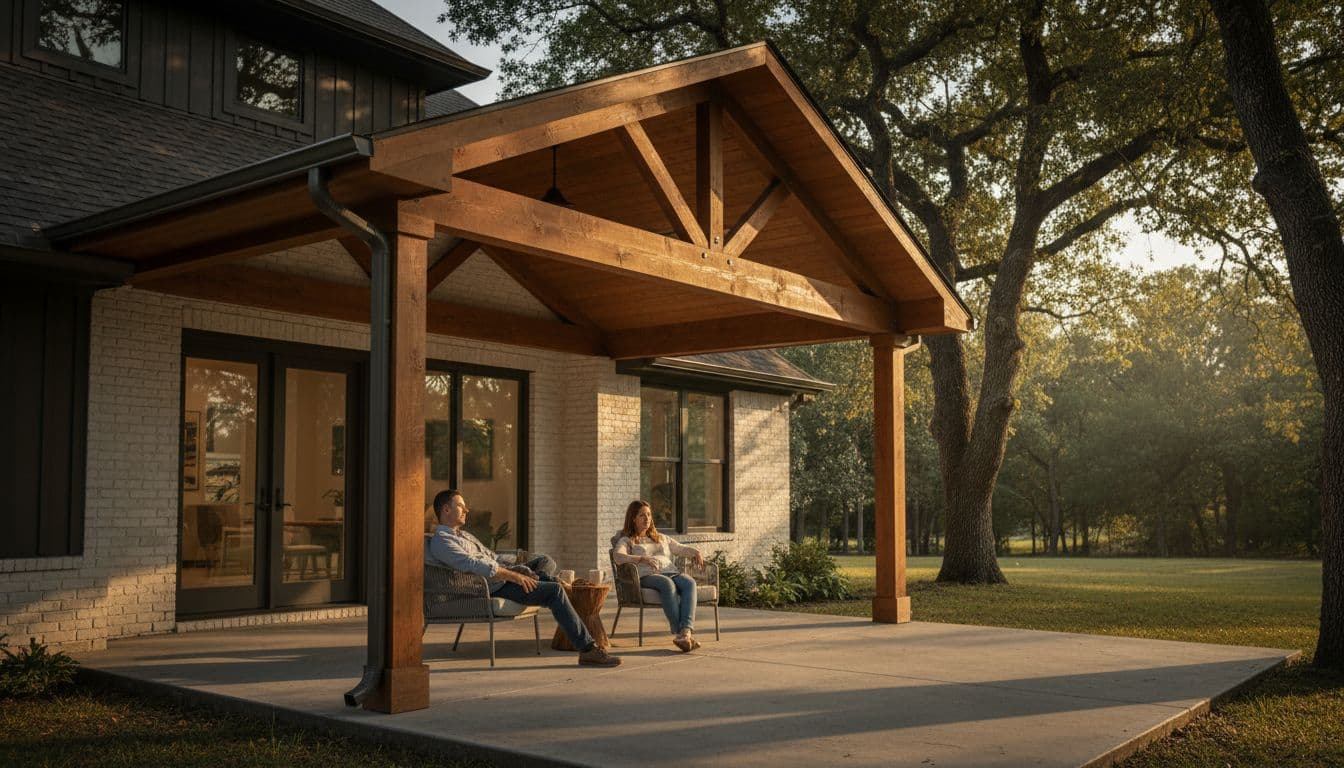
Common upgrades in this range include insulated roof panels, better trim work, upgraded posts, and a cleaner tie-in to the house. Those changes cost more up front, but they usually improve comfort in the Texas heat and give the structure a more finished look.
This is the range many homeowners choose because it balances daily use, durability, and appearance. If you want more than shade, but don’t need a full backyard showpiece, this is often the sweet spot.
When custom patio covers move into a higher price range
Custom work pushes price higher because the project stops being simple. Rooflines may change. Posts get larger. Finish work takes more time. Electrical, fans, stain, and outdoor kitchen features all add labor and planning.
A custom wood patio cover can also require more design work and stronger framing, especially if it ties into the home’s roofline. In North Texas, many custom cedar projects fall within the range shown on cedar patio covers in Denton TX, and larger outdoor living builds can go beyond that.
If you want a patio cover that looks like it came with the house, custom is often the way to get there. It simply costs more because more hands, time, and materials go into it.
The biggest factors that change how much a patio cover costs
Every patio cover price is built from the same core parts: size, structure, materials, and site conditions. Change one of those, and the number can move fast.
Size, roof style, and how the cover ties into your home
Square footage matters because bigger covers need more framing, more roofing, and more labor, which drives up the cost per square foot. That part is straightforward. Roof style is where costs can jump.
A simple shed-style attached patio cover is usually less costly than a gable, hip, or fully custom roof, while a freestanding patio cover can cost more because it often needs added posts, footings, and structural support. If the design ties into your existing roofline, labor becomes more detailed.
That extra framing work can be worth it. A well-integrated cover often looks better and feels more permanent. Still, it’s a major reason two same-size covers with the same square footage may have very different prices.
Material choices, from aluminum to cedar and insulated panels
Material type affects both first cost and long-term upkeep, including maintenance costs. Aluminum patio covers are often chosen for lower maintenance and a lower starting price. Wood, especially cedar, tends to cost more because the material itself costs more and usually needs stain or seal work.
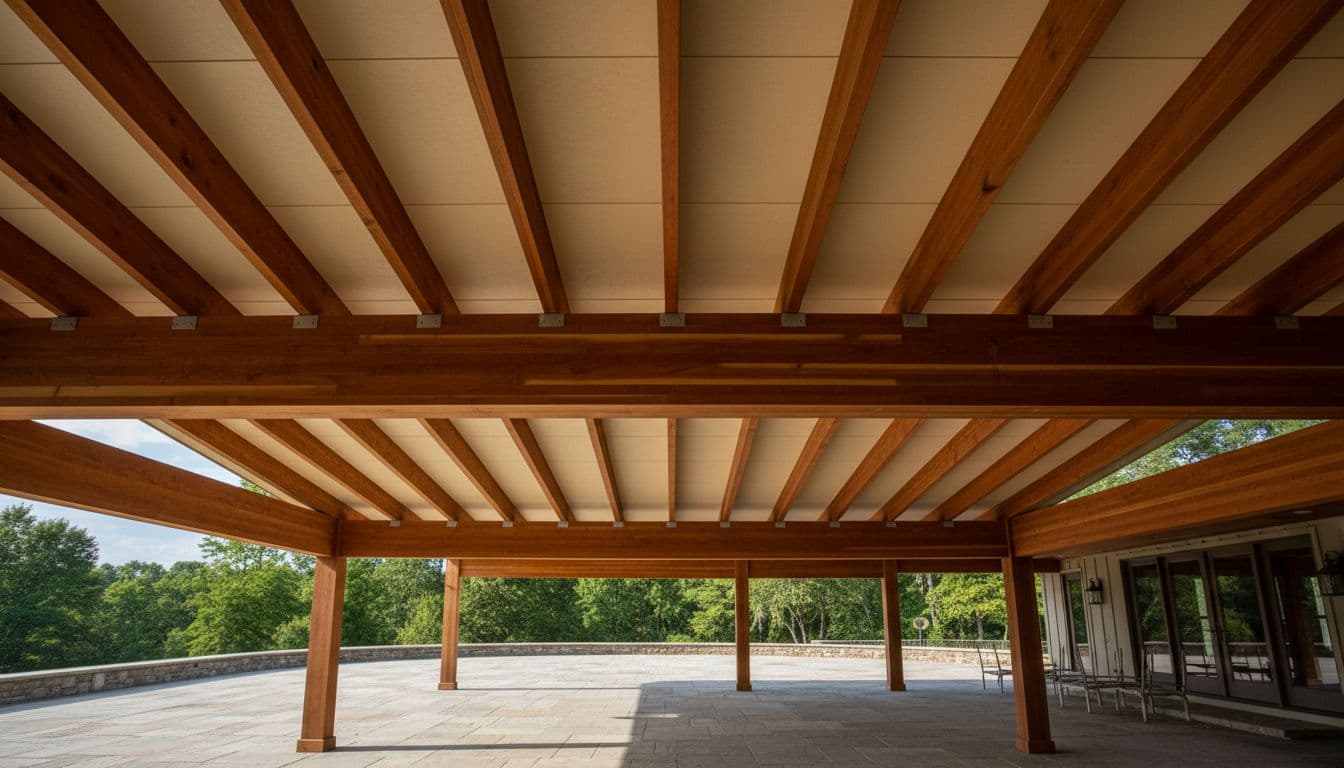
Insulated patio roof panels also raise the budget, but they can make the space cooler and more comfortable. For many homeowners, that added comfort is worth the jump.
If you’re weighing appearance, upkeep, and value, this guide on cedar vs aluminum patio covers helps show why material choice matters far beyond the first bid.
Permits, engineering, and local code requirements
Building permits are easy to overlook when you’re focused on materials and design. However, city approval, engineering, setbacks, and wind-load rules can all add cost.
These items matter for safety and legal approval. They also matter for resale. A patio cover that wasn’t properly permitted can create problems later if you sell or refinance.
HOA approvals can add time too. In some North Texas neighborhoods, even a straightforward cover needs drawings, color approval, or structural details before work starts.
The cheapest quote can become the most expensive one if it skips building permits, code items, or structural details.
Extra costs homeowners often miss when planning a patio cover budget
Many first-time budgets cover the structure itself, but miss the work around it. That’s where surprise costs tend to hide.
Electrical work, lighting and fans, and entertainment upgrades
A plain cover is one thing. A louvered pergola with lights, a fan, outlets, mounted TV wiring, heaters, or speakers is another job entirely.
Electrical upgrades add both material and labor. In some cases, they can also affect permit scope. If the plan includes multiple lights, a fan box, and outdoor outlets, the total can rise faster than expected.
These features do improve the space. They make it usable at night and more comfortable in summer. Still, they need to be priced clearly from the start.
Concrete, drainage, and site prep that can raise the final bill
Some patios are ready to build on. Others need prep before the first post goes in. Old concrete may not support the plan. Yards may slope. Drainage may already be poor.
Common added costs include slab extensions, deeper footings, demolition, grading, rerouting drainage, and adjusting post placement around existing conditions. Older patios often need more work than homeowners expect. Low-cost quotes might skip professional installation, engineering, and inspections, which risks structural issues and legal compliance.
If your project is part of a broader backyard upgrade, outdoor living and patio covers in Denton TX show how covers, outdoor kitchens, patios, and site work can overlap in one budget.
Frequently Asked Questions
How much does a patio cover cost on average?
Nationally, expect $9,500 to $16,000 for a typical mid-range patio cover, though basic attached models start in the mid-thousands and custom projects can exceed $20,000 or $30,000. Costs depend heavily on size, materials, and features. In North Texas, local labor and code needs often land bids in a similar range but can vary with site specifics.
What are the biggest factors affecting patio cover costs?
Size, roof style, and materials lead the list, with aluminum cheaper and lower-maintenance than cedar or insulated panels. Add-ons like electrical, lighting, fans, site prep, permits, and engineering quickly raise the total. Freestanding or custom rooflines tying into your home also increase labor over simple attached sheds.
What’s the difference between basic, mid-range, and custom patio covers?
Basic covers offer simple shade with standard posts and roofing for mid-thousands to $9,000. Mid-range adds insulation, better trim, and comfort for $9,500–$16,000, ideal for daily Texas use. Custom includes premium design, electrical, fans, and finishes starting at $16,000+, creating a full outdoor living space.
Do I need permits for a patio cover, and how much do they add?
Yes, most cities require permits for structural safety, wind-load engineering, and setbacks, especially in North Texas with strict codes and HOAs. They can add hundreds to the budget but ensure legality and resale value. Skipping them risks fines or issues later—always confirm with detailed quotes.
How can I compare patio cover quotes confidently?
Look for line-item details on dimensions, materials, roof style, permits, site work, electrical, and warranties, not just total price. A low bid often omits extras like concrete prep or engineering. Match quotes to your usage goals for the fairest comparison and fewest surprises.
How to budget for a patio cover and compare quotes with confidence
A patio cover budget works best when it starts with how you’ll use the space, not with a random number pulled from online searches. This approach helps you understand the true patio cover cost from the start.
Set a realistic budget based on how you plan to use the space
If you only need shade for a grill and a table, a simple structure may be enough, or consider entry-level options like DIY patio cover kits or vinyl patio covers for basic protection. If you want to host often, add a TV, cook outside, or use the space most of the year, your budget needs to reflect that.
Start with must-haves. Then separate the nice-to-haves. That keeps the project focused and helps you spend where it matters most.
For example, insulated roofing in a durable material like Alumawood may matter more than fancy trim if summer comfort is your main goal. On the other hand, if curb appeal matters most, visible finish details may deserve a bigger share of the budget.
What to look for in a patio cover estimate before you sign
A good estimate should be clear, not vague. If one proposal is far lower than the others, look for what it leaves out.
Check these items before you compare totals:
- Exact dimensions and roof style
- Material type and finish details
- Permit handling and engineering
- Electrical scope, if any
- Concrete, footing, or site-prep work
- Cleanup, warranty, and payment schedule
Those details let you compare bids fairly. Without them, you’re comparing guesswork.
A strong estimate should also explain whether the cover is attached or freestanding, how it ties into the home, and what happens if hidden site issues appear. That level of detail protects your budget and gives you a more honest number from day one.
The best patio cover price is the one that matches your home, your goals, and the full project scope. Square footage matters, but it isn’t the whole story, since cost per square foot can vary widely.
A simple cover can be enough for one family and a poor fit for another. The best patio covers in Denton TX balance cost with the right materials and design for each home. A pergola or gazebo might suit different needs better, especially with additions like retractable screens. Materials, roof style, electrical upgrades, and site work often shape the final cost more than people expect.
If you want to plan with confidence, ask for a detailed quote with every included item listed clearly. A clear budget beats a low surprise-filled bid every time.