30-Year Architectural Shingle Roofing
A practical homeowner’s guide to lifespan, advantages, costs, and key considerations before installing a 30-year architectural shingle roof.
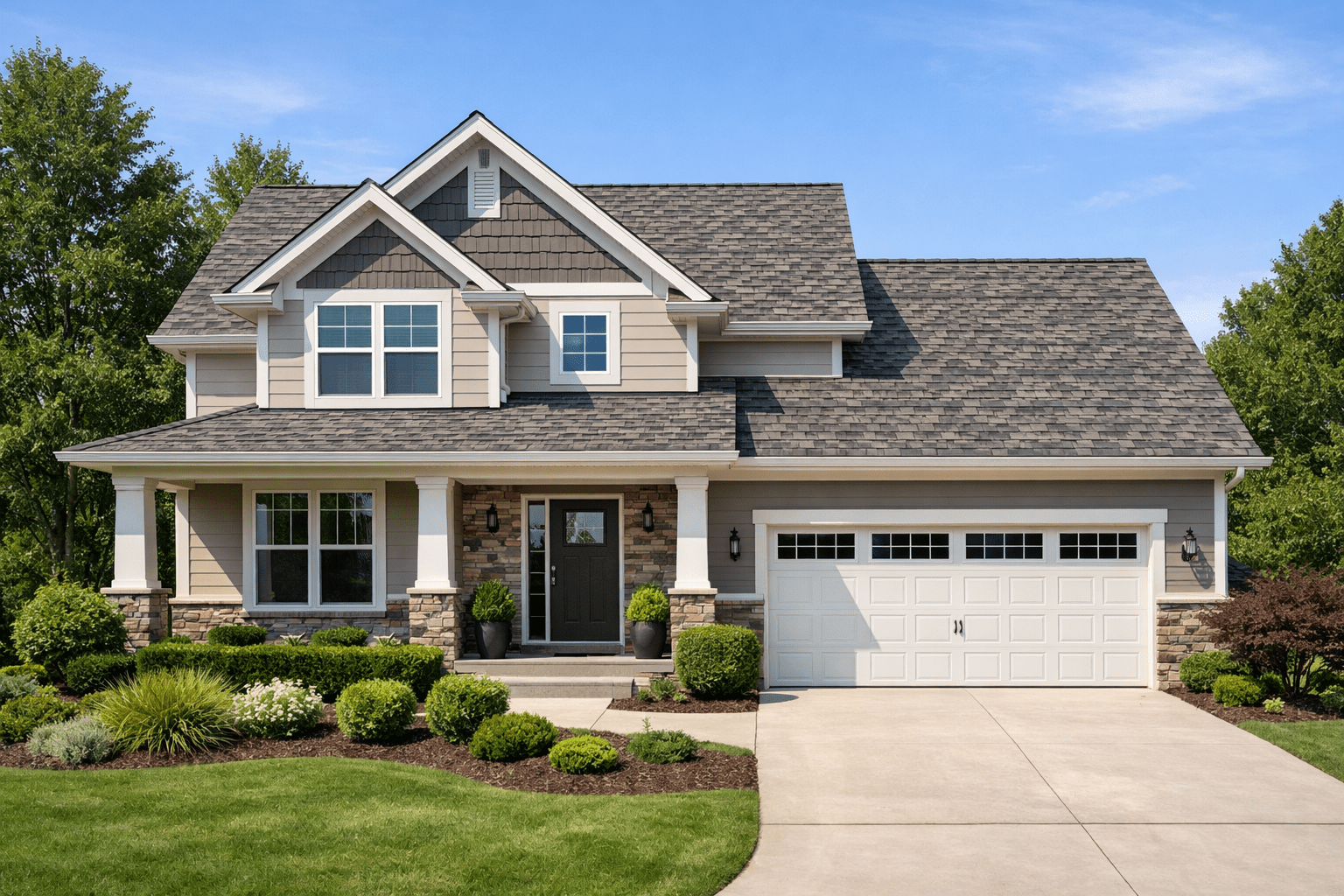
If you are comparing roofing options for your home, 30-year architectural shingle roofing usually lands near the top of the list for one simple reason: it offers a strong middle ground between price, durability, and appearance. Homeowners often want something more substantial than basic 3-tab shingles, but they may not be ready for the cost of metal, tile, or premium designer roofing. That is exactly where architectural shingles shine.
These shingles are one of the most common choices for residential roofs because they deliver a more dimensional look, improved wind resistance, and longer expected service life than entry-level asphalt products. They also work well across a wide range of home styles, from traditional suburban houses to newer custom builds. For many families, the appeal is practical rather than flashy: better performance, better curb appeal, and a roofing system that can hold up well when properly installed and maintained.
Still, the phrase “30-year roof” can be misleading if you do not know what it actually means. A label on a shingle bundle is not the same thing as a guaranteed lifespan under all conditions. Local weather, attic ventilation, workmanship, flashing details, and maintenance habits all influence how a roof performs over time. That is why homeowners should look beyond the marketing label and understand the full picture before making a decision.
A 30-year architectural shingle roof is often a smart value choice, but its real-world longevity depends just as much on installation quality and roof system design as on the shingles themselves.
What Is 30-Year Architectural Shingle Roofing?
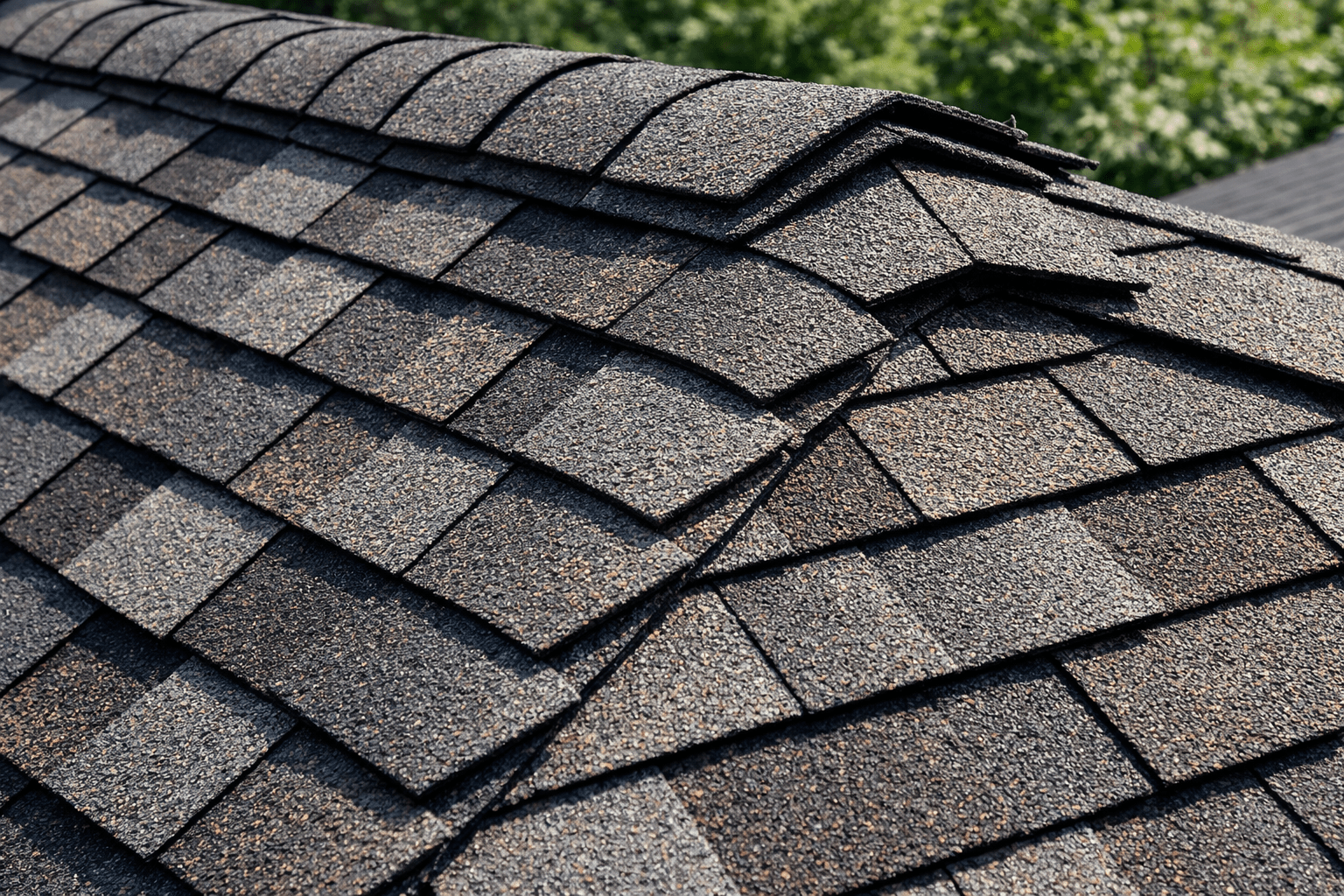
Architectural shingles, sometimes called dimensional or laminated shingles, are asphalt shingles made with multiple layers bonded together. That layered construction gives them a thicker profile and more textured appearance than standard 3-tab shingles, which are flatter, lighter, and more uniform in shape. The result is a roof that looks richer and more substantial from the street.
How they differ from traditional 3-tab shingles
The biggest visual difference is depth. A 3-tab roof tends to look flat because each strip is cut into evenly spaced tabs. Architectural shingles create shadow lines and variation that can mimic the look of more expensive materials. Structurally, they are also heavier and more robust, which generally improves resistance to wind uplift and everyday wear.
That does not mean every architectural shingle is premium. Quality still varies by manufacturer and product line. But as a category, they usually represent a meaningful upgrade from builder-grade 3-tab roofing.
What the “30-year” rating usually means
The 30-year label traditionally refers to a product class associated with a longer warranty period and an expected service life under favorable conditions. In practice, modern roofing warranties can be more complicated than the old shorthand names suggest. Some manufacturers have shifted to lifetime limited warranties with specific prorating terms, while contractors and homeowners still commonly use “30-year” as a convenient way to describe a mid-tier architectural shingle.
In other words, the number is not a promise that your roof will perform perfectly for exactly 30 years. It is better understood as a durability category. Under solid installation and normal maintenance, many of these roofs can deliver excellent performance for decades. Under poor ventilation, storm exposure, or weak workmanship, they may age much faster.
Why homeowners choose them so often
Popularity comes down to a balanced value proposition. Architectural shingles typically cost more than basic asphalt roofing, but they often provide visibly better aesthetics and better long-term performance. That matters if you want a roof that protects the home well while also contributing to resale appeal.
For homeowners evaluating a broader exterior improvement plan, roofing should also be considered in context with other upgrades. If you are weighing several projects at once, a budgeting resource like Corinth TX Home Upgrade Costs Homeowners Should Plan For can help frame how roofing fits into a larger investment strategy.
Think of 30-year architectural shingles as the “practical premium” option in asphalt roofing: more durable and attractive than basic shingles, but still accessible for many homeowners.
Top Benefits of 30-Year Architectural Shingles
The reason so many contractors recommend architectural shingles is not just that they look better. They also solve several weaknesses associated with lighter, lower-cost roofing materials.
1. Better durability than basic shingles
Because they are thicker and laminated, architectural shingles generally stand up better to long-term weather exposure. They are less prone to the uniform, brittle appearance that often develops on aging 3-tab roofs. Many products in this category are also rated for stronger wind performance when installed with the correct fastening pattern and accessories.
That improved durability can make a significant difference over the life of the roof, especially in areas where heat, hail, and seasonal storms are part of normal conditions. A small difference in material quality on day one can translate into years of added serviceability down the line.
2. Stronger weather protection
Roofing is a system, not just a surface material, but shingle quality still matters. Architectural shingles generally provide more reliable water shedding and greater resistance to uplift than entry-level options. If your area sees heavy rain, gusting winds, or repeated temperature swings, that extra performance margin is worth attention.
Homeowners exploring regional roofing needs may also benefit from reading about residential roofing in Argyle TX, where local weather realities and installation standards play a major role in product selection.
3. Improved curb appeal
This is one of the most immediate benefits. A roof occupies a large visual area, so the difference between a flat-looking surface and a dimensional one is easy to notice. Architectural shingles create shadow lines, layered texture, and a more premium finish. On many homes, that can make the exterior feel newer and more polished even if no other visible changes are made.
For sellers, curb appeal matters. For long-term homeowners, it matters too, because the roof is something you see every day. A good-looking roof can make the entire house feel better maintained.
4. Strong value for the money
One of the strongest arguments in favor of this roofing type is its balance of cost and benefit. You are not paying for the lowest-end option, but you are also not stepping into the premium price tiers of slate, tile, or standing seam metal. For many households, that balance is ideal.
The practical value often shows up in three ways:
- Longer service life potential than 3-tab shingles
- Better appearance that can support resale value
- Lower likelihood of early replacement due to premature wear
30-year architectural shingles are appealing because they deliver a noticeable performance and appearance upgrade without pushing the project into a luxury-roof price category.
How Long Does a 30-Year Architectural Shingle Roof Really Last?
This is one of the most important questions homeowners ask, and it deserves an honest answer: a 30-year architectural shingle roof does not always last 30 years. Some roofs exceed that mark. Some fall short. The difference usually comes down to conditions and workmanship.
Factors that affect real-world lifespan
- Climate: Intense sun, repeated hail, freeze-thaw cycles, and high winds can shorten roof life.
- Installation quality: Poor nailing, bad flashing details, and shortcuts around vents or valleys can cause premature issues even if the shingles themselves are high quality.
- Ventilation: Improper attic airflow can trap heat and moisture, accelerating shingle aging from below.
- Maintenance: Small repairs handled early often prevent larger system failures later.
- Roof design: Complex rooflines, low-slope transitions, and drainage trouble spots may wear differently than simple gable roofs.
Why the label can be misunderstood
Years ago, consumers were taught to shop roofing by shorthand categories like 20-year, 25-year, or 30-year shingles. Today, those labels are still widely used conversationally, but warranty language and manufacturer coverage are more nuanced. Some warranties are limited, some are prorated, and many require specific installation methods or component systems to qualify for enhanced protection.
That is why it is wise to read beyond the sales sheet. Ask what the warranty actually covers, how long workmanship is covered, and what conditions could affect claims. The shingle label alone does not tell the whole story.
Signs your roof may be aging
Even a good roof needs monitoring as the years pass. Common warning signs include:
- Granule loss collecting in gutters or downspouts
- Curling or lifting shingle edges
- Cracking, blistering, or bald spots
- Dark streaks from algae growth
- Storm damage from hail or wind
- Flashing separation around chimneys, vents, or skylights
If you notice one or more of these issues, do not assume the entire roof has failed. Sometimes the problem is localized and repairable. Other times, visible wear is the early indicator of a broader system issue.
A roof reaches its full potential when good materials, correct installation, ventilation, and maintenance all work together. Remove one of those factors, and lifespan often drops.
Cost Factors to Consider Before Installation
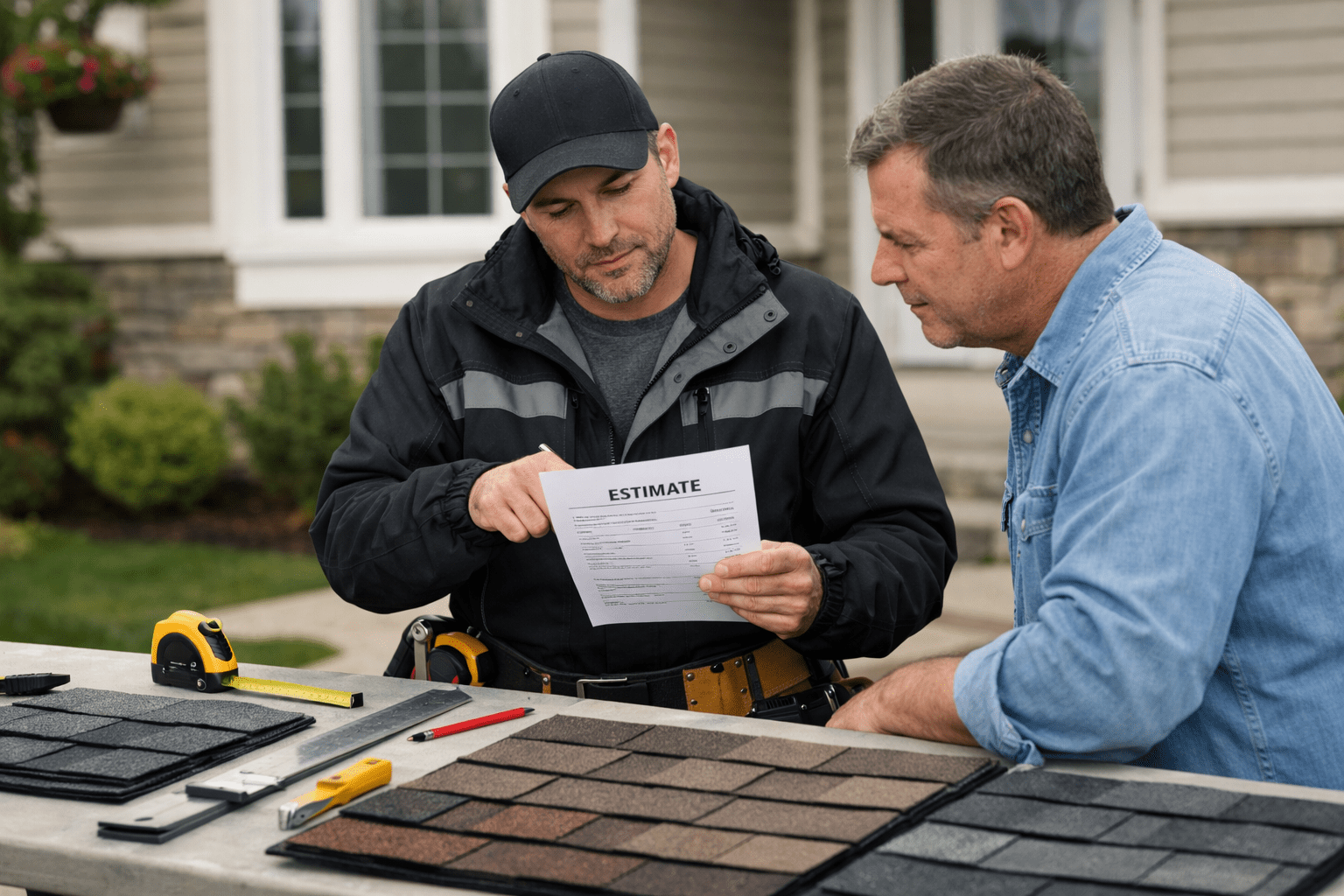
Roof replacement estimates can vary widely, even for homes of similar size. That can be confusing until you understand what is actually included in the scope.
The main cost drivers
Most 30-year architectural shingle roofing quotes are shaped by the following factors:
- Roof size: More square footage means more material and labor.
- Tear-off requirements: Removing old shingles adds disposal and labor costs.
- Deck repairs: If rotten or damaged wood is found underneath, replacement increases the total.
- Underlayment and water barriers: Higher-quality underlayments improve performance but cost more.
- Flashing details: Chimneys, valleys, walls, and penetrations require careful waterproofing.
- Roof complexity: Steeper slopes, dormers, valleys, and multiple levels are more labor-intensive.
- Local labor rates: Regional market conditions can significantly affect pricing.
What can push the price higher
Homeowners are sometimes surprised that “same shingle type” does not always mean “same price.” Brand differences matter. So do accessory components. Premium architectural shingles, upgraded ridge ventilation, impact-resistant options, enhanced underlayment, and extended warranty system packages can all raise the project total.
That is not automatically a bad thing. In some cases, spending more upfront improves protection and reduces the risk of future issues. The right question is not “What is the cheapest quote?” but “What is the best long-term value for my roof and my home?”
How to compare estimates intelligently
When you collect bids, compare more than the final number. Look at:
- The exact shingle brand and product line
- Whether old roofing is being fully removed
- The type of underlayment included
- How flashing will be handled
- Ventilation upgrades, if any
- Cleanup, disposal, and site protection
- Manufacturer warranty details
- Contractor workmanship warranty length
If you are planning other renovation work at the same time, it helps to look at roofing within an overall home budget. Resources like Bartonville TX Renovation Budget Guide for Real 2026 Costs can help homeowners think more strategically about project sequencing and financing.
The total price of a roof is not just about shingles. Underlayment, flashing, tear-off, ventilation, and workmanship often have a bigger impact on long-term performance than shaving a small amount off the material budget.
Maintenance Tips to Maximize Roof Performance
Architectural shingles are relatively low-maintenance, but “low-maintenance” does not mean “ignore it until there is a leak.” A little attention can go a long way toward extending service life and preventing expensive interior damage.
Schedule regular inspections
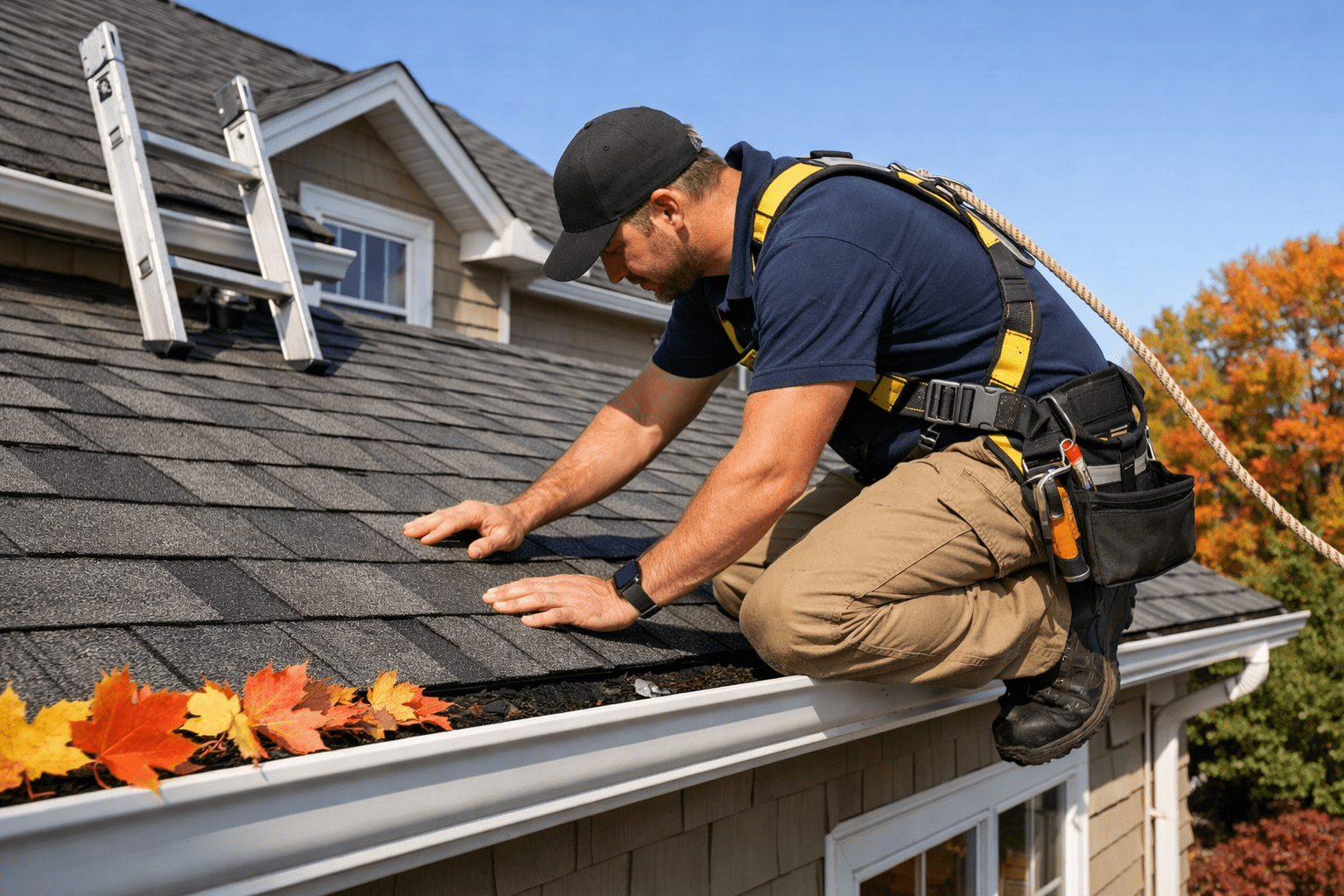
A professional roof inspection once a year, plus another after major storms, is a smart practice. Inspectors can spot loose shingles, damaged flashing, punctures, sealant failures, and hail impacts before they become obvious from the ground. Homeowners can also perform basic visual checks from a safe distance using binoculars, but should avoid unnecessary roof walking.
Keep gutters and roof surfaces clear
Clogged gutters can back water up onto roofing edges and fascia. Leaves and debris can trap moisture, especially in roof valleys. Routine cleaning helps water move off the roof properly and reduces the chance of moisture-related deterioration.
Pay attention to attic ventilation and moisture
This is one of the most overlooked issues in roofing. Excess attic heat can bake shingles from below, while trapped moisture can damage decking and insulation. Balanced intake and exhaust ventilation supports longer roof life and better energy performance throughout the home.
That same whole-home perspective is important in other exterior upgrades too. For example, if your home is losing energy through aging windows as well as through the attic and roof system, a related resource like Energy-Efficient Window Replacement in Denton TX can help you think more holistically about exterior performance.
Address small issues quickly
Homeowners often postpone minor roof repairs because the leak is not visible inside the house. That is risky. A missing shingle, lifted flashing edge, or damaged vent boot can allow water into the system long before staining appears on the ceiling. Fast repairs are almost always cheaper than delayed repairs.
Watch for algae, moss, and metal detail failure
Dark streaking may not always indicate structural damage, but algae growth can affect appearance and sometimes signal moisture retention. Moss is more concerning because it can hold moisture against the roof surface. Also keep an eye on flashing around penetrations and transitions, since many leaks originate at those details rather than in the field of the shingles themselves.
- Clean gutters at least seasonally
- Trim overhanging branches
- Inspect after hail or high winds
- Check attic conditions for excess heat or moisture
- Repair flashing and penetrations promptly
How to Choose the Right Contractor and Shingle Brand
Even the best shingle on the market can fail early if it is installed poorly. That is why contractor selection matters just as much as product selection.
Start with credentials and reputation
Before signing anything, verify that the roofer is appropriately licensed where required, properly insured, and experienced with the specific shingle system being proposed. Read reviews carefully and ask for recent local references. If a contractor has manufacturer certifications, ask what those certifications actually mean and whether they unlock stronger warranty options.
Ask the right project questions
A reputable roofing contractor should be able to answer clear questions about:
- How the old roof will be removed
- Whether decking inspection is included
- The exact underlayment and flashing products being used
- Nailing pattern and installation method
- Ventilation recommendations
- Daily cleanup and final debris removal
- Projected timeline and weather contingencies
- Workmanship warranty coverage
Do not choose a brand on name alone
Brand reputation matters, but the product line matters too. Most major manufacturers offer multiple architectural shingle options at different quality levels. Compare color availability, wind ratings, algae resistance, warranty terms, and compatibility with the rest of the roof system. The “best” brand is often the one that combines reliable product support with a contractor who installs it correctly and stands behind the work.
Look for complete roof-system thinking
The strongest contractors do not talk only about shingles. They talk about decking, flashing, underlayment, ventilation, penetrations, drainage, and cleanup. That systems-based approach usually leads to better long-term results than a quote built around the cheapest visible material.
Homeowners rarely regret asking too many questions before a roof replacement. They often regret asking too few.
Tip: Get multiple estimates, but compare scope, materials, and warranty details line by line. A lower bid is not a bargain if key protections are missing.
Conclusion
30-year architectural shingle roofing remains one of the most practical choices for homeowners who want a roof that looks better than basic asphalt, performs well in a range of conditions, and offers strong long-term value. Its appeal comes from balance: better durability, better curb appeal, and better overall performance potential without entering the highest roofing price tiers.
The most important thing to remember is that the shingles alone do not determine the outcome. Real lifespan depends on proper installation, sound attic ventilation, quality flashing, weather exposure, and ongoing maintenance. The “30-year” label is useful shorthand, but it should never replace a close look at the full roofing system and the contractor behind the work.
If you are considering replacement, use this stage to gather detailed estimates, ask good questions, and compare more than just cost. Look at materials, workmanship, warranties, and how thoroughly each contractor approaches the job. A well-planned roof replacement protects your home, supports energy performance, and can improve the appearance of the entire property for years to come.
Thinking About Replacing Your Roof?
Use this guide to compare options, ask smarter questions, and decide whether 30-year architectural shingle roofing is the right fit for your home. If you are gathering bids now, make a checklist of materials, ventilation details, warranty terms, and cleanup expectations so you can compare proposals with confidence.