
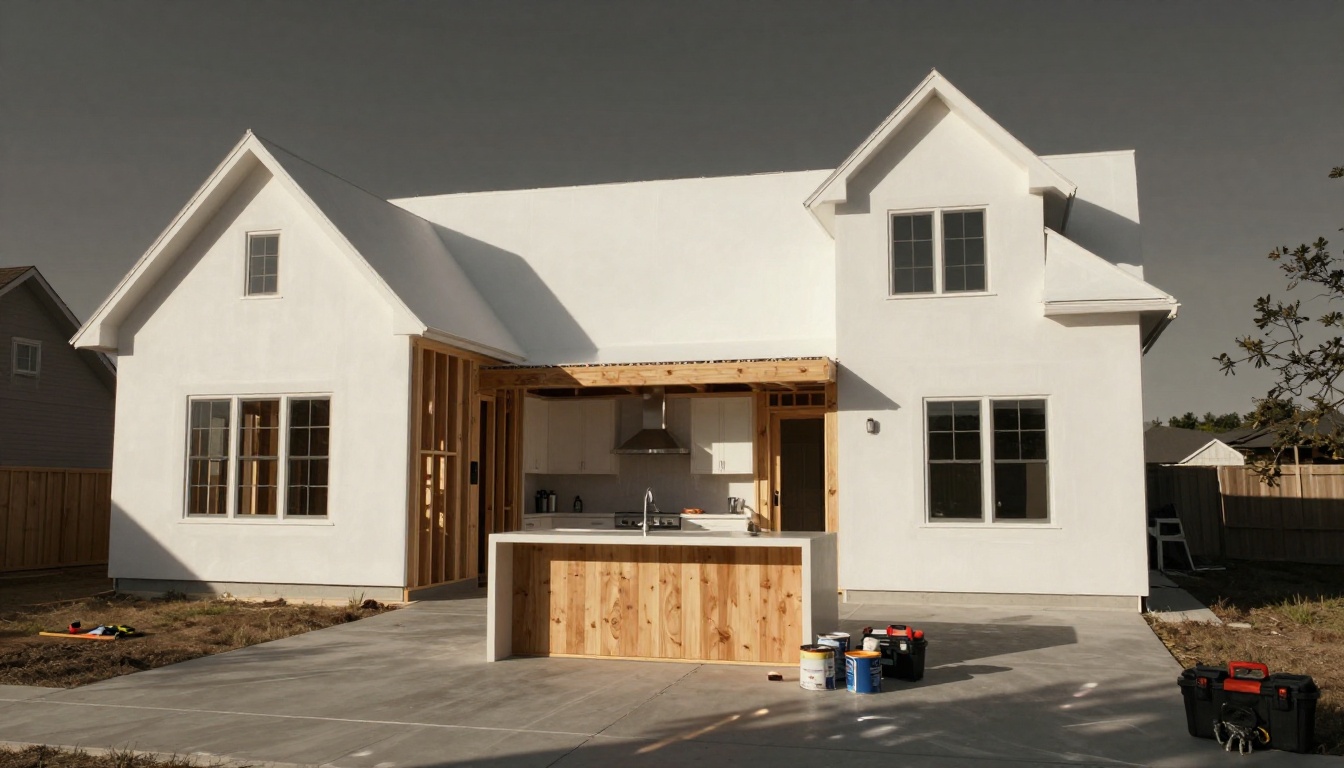
Sticker shock hits fast when a remodel moves from idea board to contractor bid. If you’re building a Hickory Creek remodeling budget, the goal isn’t to spend the least, it’s to spend on the right things.
As of April 2026, North Texas labor and material costs still reward careful planning. Start with real price ranges, then shape the project around how you live every day.
Start With Real Hickory Creek Cost Ranges
No public Hickory Creek remodeling price sheet exists, so homeowners should use North Texas ranges and then confirm them with local bids. That gives you a realistic starting point without guessing.

Current regional numbers show how wide the spread can be. Cosmetic work stays far below projects that move plumbing, walls, or electrical. Kitchens and baths also climb faster because cabinets, tile, and trades add up quickly.
Here’s a simple snapshot of common 2026 ranges:
| Project | Typical cost range | What pushes price up |
|---|---|---|
| Kitchen remodel | $15,000 to $25,000 for minor work, $30,000 to $50,000 mid-range, $60,000 to $100,000+ high-end | Cabinet style, layout changes, appliances |
| Bathroom remodel | $2,500 to $30,000 basic to mid-range, $40,000 to $75,000 major | Plumbing moves, tile, glass, custom storage |
| Whole-home remodel | $60 to $150 per square foot for mid-range work | Structural repairs, systems, permits, finish level |
Those ranges tell a clear story. Scope matters more than square footage alone.
Labor also drives the budget. When plumbers and electricians enter the job, costs rise fast, especially if you move fixtures or open walls. Because of that, keeping the existing layout often saves more than skipping one fancy finish.
For a market-wide gut check, compare your draft numbers with a 2026 DFW remodeling cost guide and a Dallas full-home remodel cost guide. You can also review local styles and bid formats through Hickory Creek kitchen remodelers on Houzz.
Get two or three detailed bids before you choose a contractor. A lump-sum number without line items is like driving at night without headlights.
Put the Money Where You’ll Feel It Every Day
A smart budget starts with priorities, not finishes. Think of your remodel like packing for a trip. If every item feels important, the bag gets too heavy.
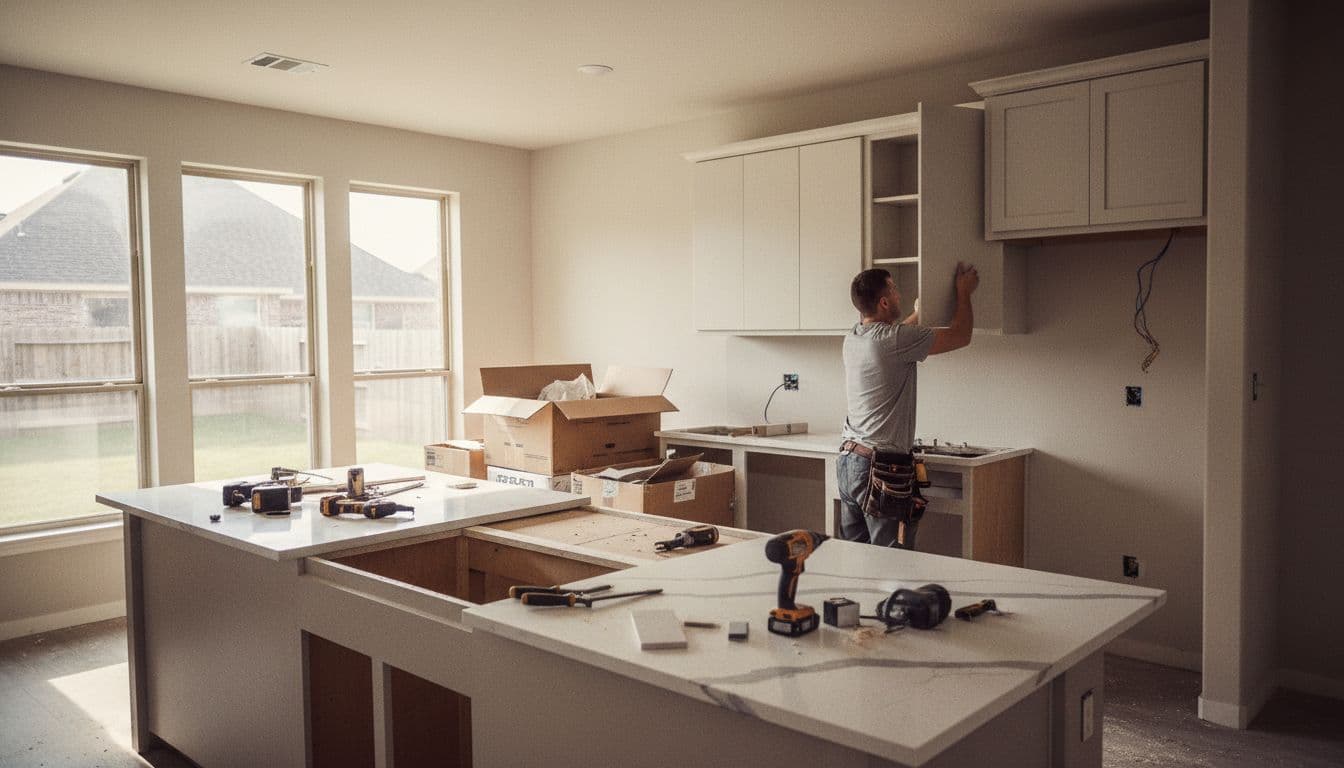
Start by sorting the project into three buckets:
- Must-fix items, such as leaks, bad flooring, poor layout, or worn cabinets
- Daily-life upgrades, such as better lighting, more storage, or a larger shower
- Nice extras, such as specialty tile, pot fillers, or built-in coffee bars
This step keeps the budget honest. It also helps you cut the right things if pricing comes in high.
In kitchens, cabinets usually eat the biggest share. So, if your boxes are solid, refacing or repainting may beat full custom replacement. In bathrooms, waterproofing, ventilation, and plumbing quality deserve the money first. Beautiful tile won’t save a shower built on weak prep.
Whole-home projects need even more discipline. If your main pain point is an outdated kitchen and one tired bath, do those first. A phased plan often costs less than trying to touch every room at once.
Room additions need the same filter. Ask whether you need a larger footprint or a better layout inside the space you already own. Sometimes moving walls inside the house solves the problem for less.
The best remodel budgets don’t buy the most features. They buy the most function.
Ask for a good-better-best estimate before final selections. That gives you room to adjust without starting over. Choose your top two splurges early, then let the rest of the project support them.
Budget Mistakes Hickory Creek Homeowners Can Avoid
Most budget blowups start before demo day. They begin with missing details, loose assumptions, or a bid that looks low because it leaves things out.
Older homes can hide rotten subfloors, outdated wiring, or framing problems. Once walls open, the real house shows up. That’s why a contingency fund matters. For many projects, 10 to 20 percent is a sensible reserve. If the home is older or the scope is large, lean toward the high end.
Another common mistake is changing plans midstream. Every swap can trigger added labor, fresh measurements, and delays. Pick materials early, approve drawings, and stick to them unless the change solves a real problem.
Watch allowances closely, too. A bid may include a placeholder number for tile, lighting, or plumbing fixtures. If your taste runs higher than that allowance, your final bill grows quietly.
If a bid looks low, check what’s missing. Demo, disposal, trim, paint, and permit costs often come back later.
Timing matters as well. Cabinets, windows, and some specialty finishes can have longer lead times. Ordering late can stall the job and stretch labor costs.
Request a room-by-room scope before you sign. Schedule a free consultation while your wish list is still flexible. If the numbers still feel tight, start with one room and phase the rest.
A remodel doesn’t have to feel like a money pit. When the numbers are clear, sticker shock loses its power.
Build your budget around layout, quality prep, and the rooms you use most. Then take the next step: get a local estimate, set your non-negotiables, and make your first planning meeting count.