A remodel budget can swing by tens of thousands before the first tile comes off the wall. In Copper Canyon, that spread is often wider because homes vary in size, layouts, and finish level, and 2026 North Texas labor costs still sit above old rule-of-thumb pricing.
If you’re trying to pin down a realistic Copper Canyon remodel cost, start with ranges, not wishful thinking. Public Copper Canyon-only pricing is limited, so the smartest approach is to use Denton County and DFW estimates, then adjust for your home’s scope. Here’s what those numbers look like on real 2026 projects.
Estimated Copper Canyon remodel prices for 2026
These are planning estimates for Copper Canyon and nearby Denton County homes, not fixed quotes.
| Project type | 2026 planning range | What usually drives the total |
|---|---|---|
| Kitchen refresh | $20,000 to $40,000 | Paint, counters, backsplash, some fixture swaps, layout stays |
| Full kitchen remodel | $45,000 to $90,000+ | Cabinets, counters, appliances, lighting, plumbing or wall changes |
| Guest bathroom | $8,000 to $20,000 | Vanity, tile, fixtures, minor plumbing changes |
| Primary bathroom | $25,000 to $60,000+ | Custom shower, tile labor, glass, vanity, lighting, waterproofing |
| Whole-home remodel | $100 to $250+ per sq. ft. | Finish level, layout changes, system upgrades, code work |
| Addition | $80 to $180+ per sq. ft. | Foundation, framing, roofing, HVAC tie-ins, exterior matching |
The pattern is simple, work-in-place costs less, while layout changes push price fast.
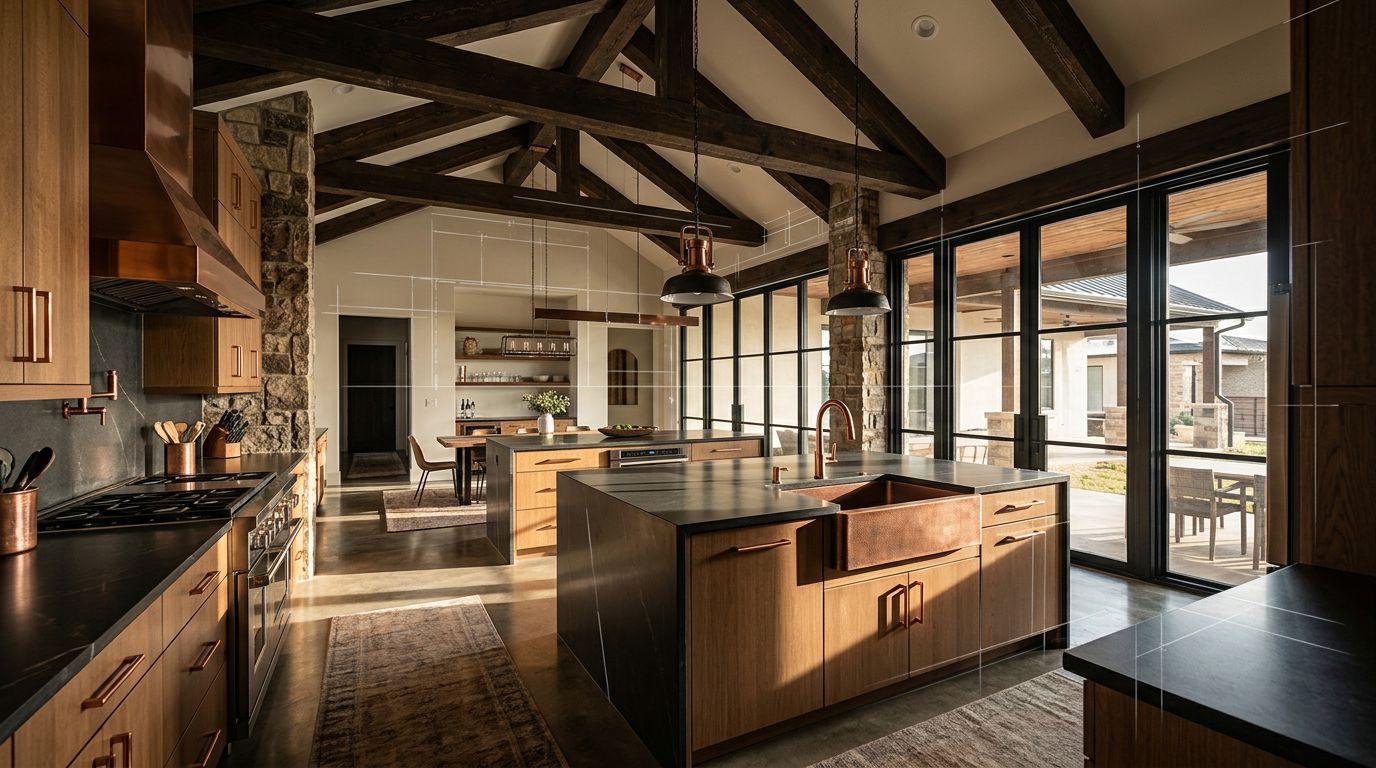
A kitchen is usually the biggest interior spend. Local guides like this 2026 kitchen remodel price guide show how quickly cabinets, stone, and appliance packages can move a project from mid-range to premium. Cabinet quality is often the biggest swing factor, which is why a detailed 2026 kitchen renovation budget breakdown is useful when you compare stock, semi-custom, and custom options.
Bathrooms look smaller, but they hide expensive labor. Tile setting, shower prep, waterproofing, plumbing changes, and custom glass can pile up fast. A larger primary bath can end up closer to kitchen pricing than many homeowners expect.
Whole-home projects and additions need a wider lens. In Copper Canyon, larger homes can mean more flooring, more trim, longer cabinet runs, and more paint area even when finishes stay modest. That’s why total price often climbs faster than homeowners expect, even before luxury selections enter the mix.
Why some Copper Canyon remodels jump in price
Scope and finish level set the starting point
Scope beats room count every time. Keeping sinks, drains, and walls in place usually saves a lot of labor. Choosing semi-custom cabinets instead of full custom can also keep the budget grounded.
On the other hand, premium stone, inset cabinetry, wide-plank hardwood, designer plumbing trim, and built-to-order windows can move a project into a different price tier without adding a single square foot.
Structural work, MEP updates, and code compliance change everything
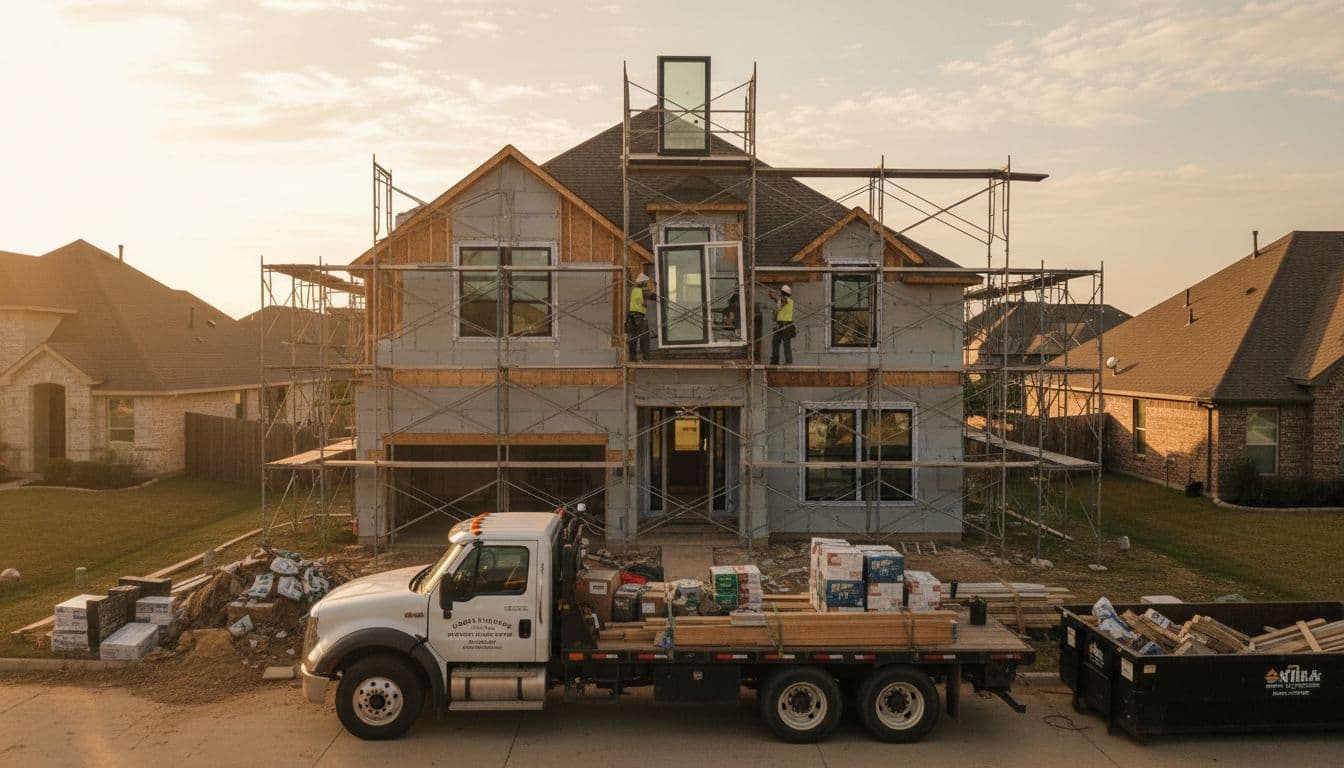
The fastest way to grow a budget is to open walls and find work the estimate couldn’t fully see. Structural beams, larger door openings, slab repairs, and reframing all add labor and engineering cost.
Then come the MEP items, mechanical, electrical, and plumbing. A simple kitchen remodel can expand if the electrical panel is undersized, circuits need to be added, drains must move, or HVAC needs rework. Code compliance adds cost too, because modern requirements for outlets, ventilation, safety devices, and inspections don’t care that the house is older.
Demolition, design fees, and scheduling also matter
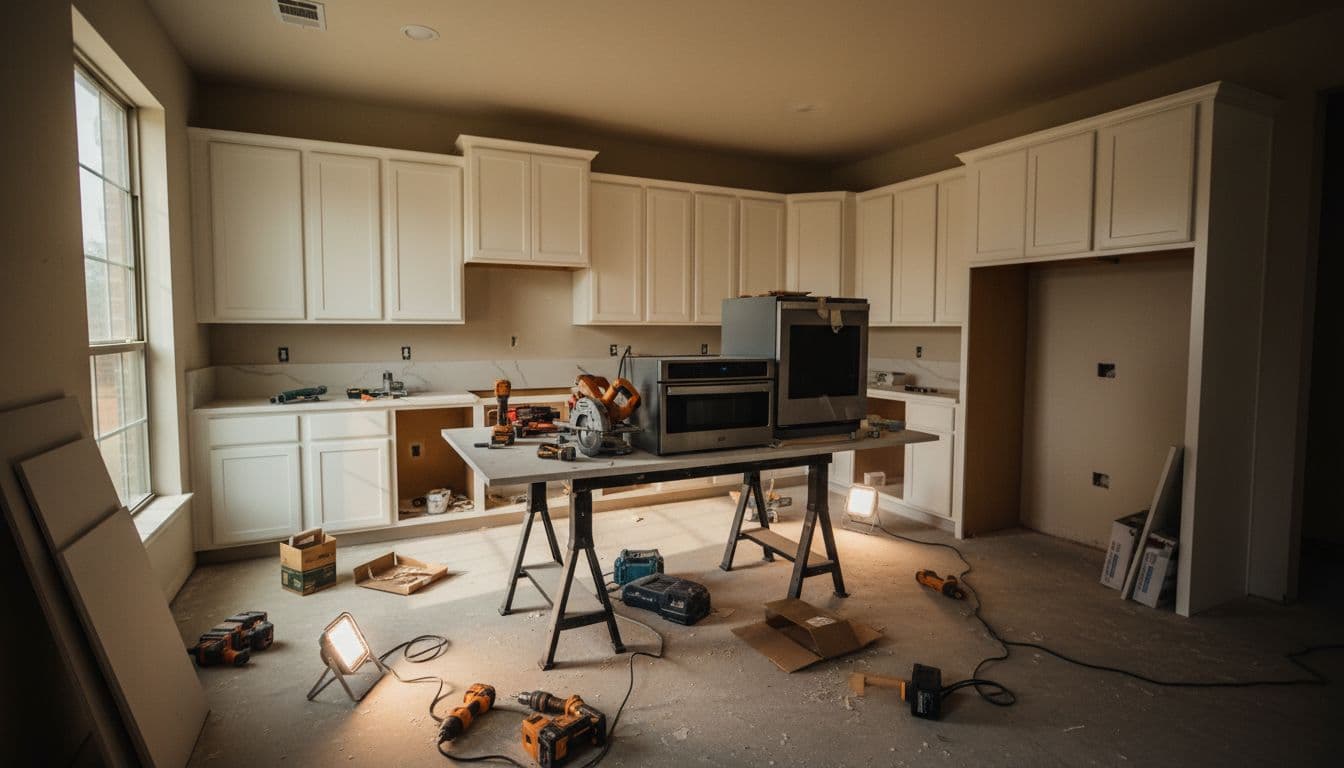
Demolition is more than ripping things out. It includes floor protection, dust control, haul-off, and safe handling of hidden damage. If moisture, rot, or foundation movement shows up, the budget has to respond.
Design fees are another early miss. Smaller cosmetic jobs may only need basic selections and field measurements. Meanwhile, additions and major reworks often need plans, engineering, and permit coordination. Those soft costs can be a real part of the bill, not an afterthought.
How to compare bids and budget realistically
National benchmarks like Angi’s 2026 remodel data help with rough context. Still, local bids matter more because North Texas labor, lead times, and permit costs can run higher than national averages.
A fair proposal usually spells out these items:
- Labor scope: Demolition, framing, trim, paint, and final cleanup should be named clearly.
- Material allowances: Cabinets, tile, lighting, plumbing fixtures, countertops, and appliances need real dollar amounts.
- Permit responsibility: The bid should say who pulls permits and who pays plan or engineering fees.
- Owner-supplied items: If you buy appliances or fixtures, install labor should still be shown.
- Job protection: Dust barriers, floor covering, dumpster or haul-off, and punch-list work should be included.
Exclusions matter just as much. Common gaps include panel upgrades, hidden subfloor repair, mold treatment, window treatments, landscaping repair, and temporary housing.
If a quote skips permits, haul-off, allowances, or contingency, the price may not be low. It may simply be incomplete.
Low bids also tend to share the same warning signs:
- Thin scope: One lump-sum price with little detail.
- Tiny allowances: Numbers that won’t buy the tile, fixtures, or cabinets you expect.
- Missing line items: No permit, no dumpster, no protection, no cleanup.
- Heavy upfront payment: A large deposit before materials are approved or ordered.
- No change-order terms: Extra work gets priced later, often at the worst time.
For a realistic 2026 budget, add a contingency. Use 10 to 15 percent for straightforward finish projects. Use 15 to 20 percent when you’re moving walls, changing plumbing, or remodeling an older home. Think of it like spare-tire money. You hope it stays untouched, but it keeps the trip from going sideways.
The strongest remodel budgets aren’t built on the lowest number. They’re built on a clear scope, honest allowances, and enough room for the house to reveal surprises.
Before you sign anything, ask each bidder to show what’s included, what’s excluded, and how changes will be priced. That kind of clarity protects your budget long before construction starts.