Use 179 Tax Deduction to Lower the Cost of a Commercial Roof Replacement
179 Tax Deduction may allow eligible businesses to deduct qualifying commercial roofing costs in the year the roof is placed in service—helping improve cash flow and ROI.

What Is the 179 Tax Deduction Deduction (and Why It Matters for Roofing)?
179 Tax Deduction is commonly used to accelerate deductions on qualifying business property. For many commercial roof projects, the advantage is speed: potential tax savings in the year the roof is placed in service instead of spreading deductions across years.
Expense vs. depreciate
179 Tax Deduction can let businesses expense qualifying property rather than depreciating it over many years.
Roofing may qualify
For commercial properties, certain improvements (including roofing in many cases) may qualify when properly structured and documented.
Faster tax savings
The main benefit is improved near-term cash flow that can help offset a roof replacement or major retrofit.
Get professional guidance
Rules can change and eligibility depends on your facts—use this page as education, not a substitute for your CPA.
Commercial Roofing Projects That May Qualify
Many business owners assume a roof is “just maintenance.” In practice, larger scopes are often treated as capital improvements—where planning, itemization, and timing can determine whether 179 Tax Deduction is on the table.
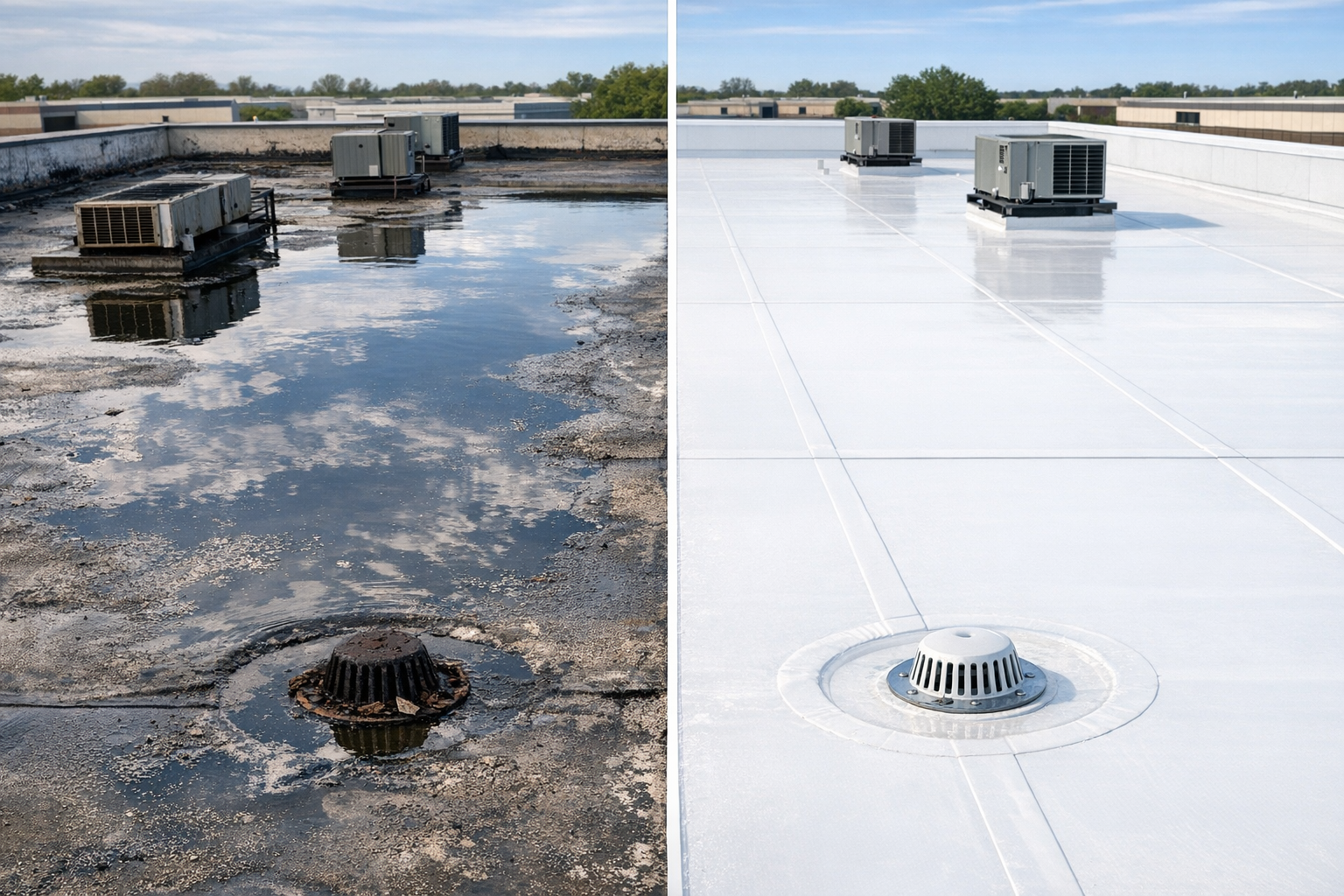
- Full roof replacements on commercial buildings are commonly discussed in relation to 179 Tax Deduction when the improvement meets current IRS definitions and is placed in service within the tax year.
- Major roof retrofits that materially improve performance (e.g., correcting chronic leaks, improving drainage, or extending useful life) may be considered depending on the scope and documentation.
- Energy-related upgrades such as improved insulation or reflective membranes may offer additional planning opportunities, though they may fall under different incentives or rules.
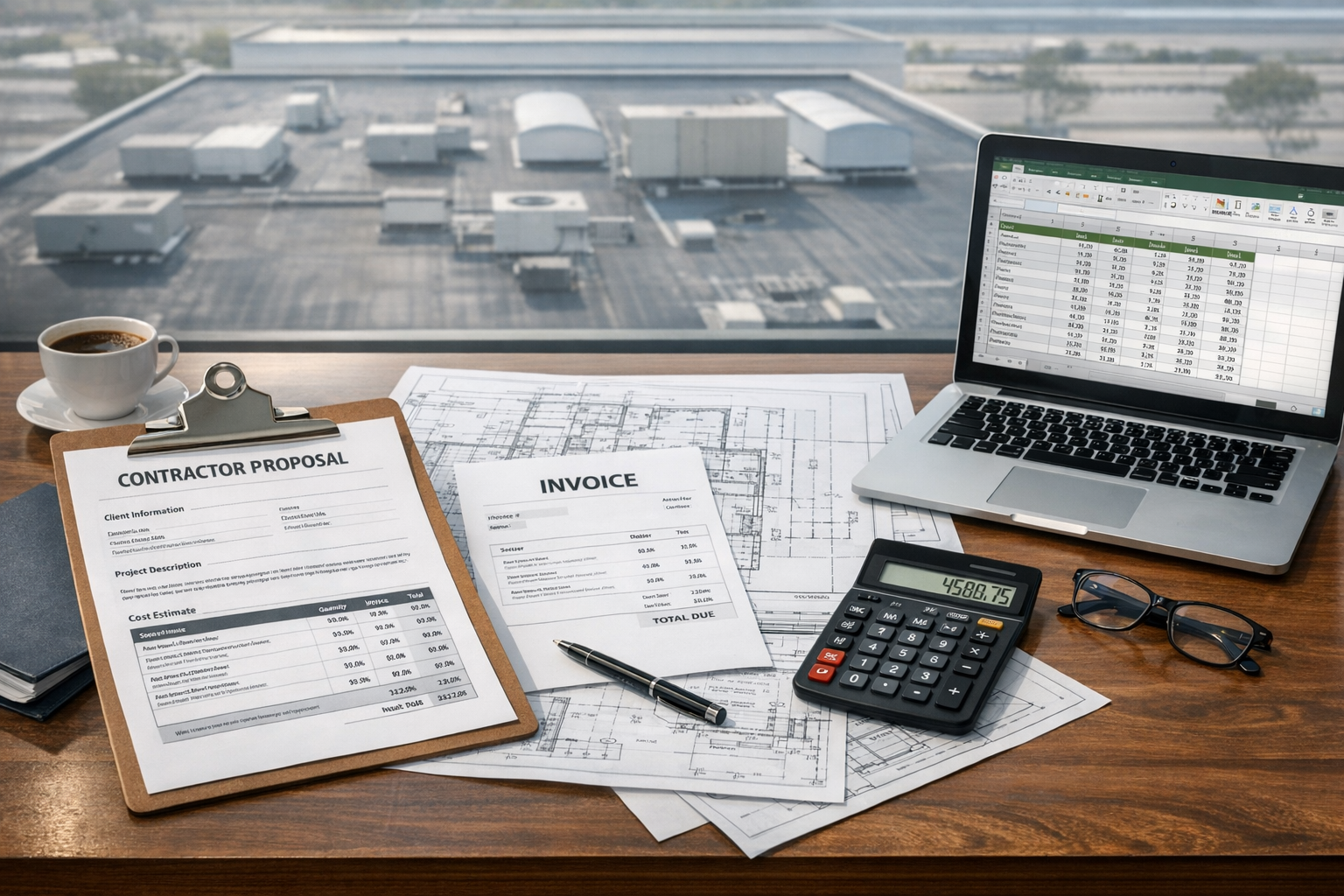
- Work should be clearly itemized in proposals and invoices so the roofing scope is separated from non-qualifying expenses (if any).
Tip: If your proposal is a single lump-sum line item, ask for an itemized version before work begins. It’s often one of the easiest ways to improve clarity for tax-time review.
Key Eligibility Factors to Review with Your CPA
179 Tax Deduction is powerful, but it’s also fact-specific. Before you commit, align your project schedule and documentation with what your CPA needs to determine eligibility and model outcomes.
Income, limits, and carryforward
Your business must have taxable income to benefit, and the deduction is generally limited to business income (with potential carryforward rules).
Placed in service timing
The roof must typically be purchased/financed and placed in service during the tax year you want to claim it—not merely contracted or partially completed.
Property type and use
Commercial buildings and business-use property are treated differently than personal-use property. Usage and ownership details can matter.
Classification + documentation
What’s “repaired” vs. “improved,” and how costs are allocated, can influence eligibility and audit defensibility.
How the Savings Can Work (Simple, Practical Examples)
Your CPA can estimate the effect quickly when they have the project total, timeline, and your expected taxable income. The goal is to understand your potential net cost—not just the bid price.
- If a qualifying roofing project is expensed under 179 Tax Deduction, the deduction can reduce taxable income in the same year, potentially creating a meaningful net cost reduction.
- Example scenarios should consider your marginal tax rate, the project total, and whether you can use the full deduction this year or need to carry part forward.
- Financing does not automatically disqualify a project; many businesses can still deduct qualifying costs while paying over time, subject to tax rules.
- Because every business is different, your CPA can model 179 Tax Deduction expensing vs. traditional depreciation side-by-side.
You want to accelerate deductions and you expect taxable income in the year the roof is placed in service.
Project timing: completion and “placed in service” within the desired tax year.
Clear, itemized documentation that matches the actual installed scope.
These are general concepts, not tax advice. Your CPA should confirm how current rules apply to your business and property.
What You Need for a CPA-Ready Review
The easiest way to support eligibility and reduce back-and-forth at tax time is to build the project with documentation in mind from day one.
Itemized scope & invoices
Line items that separate membrane, insulation, drainage, flashing, and any unrelated work help your CPA evaluate classification and allocation.
Clear “placed in service” date
Completion evidence (sign-offs, completion certificates, and final invoice dates) makes timing easier to substantiate.
Audit-friendly project file
Signed contract, change orders, proof of payment, and photos create a clean record of what was improved and when.
How to Plan a 179 Tax Deduction-Friendly Roofing Project
A “179 Tax Deduction-friendly” project is mostly about clarity and timing—making it easy for your CPA to evaluate the work and easy for you to prove what was installed.
1) Get an itemized scope
Request detail that separates roofing components and identifies any non-roofing work clearly.
2) Plan the schedule early
Build in permitting, weather, and lead times so the roof can be placed in service within your target tax year.
3) Organize documentation
Keep contracts, change orders, paid invoices, completion confirmations, and photos in one project folder.
If 179 Tax Deduction is part of your strategy, loop in your CPA before you sign—small changes to scope wording and invoices can make a big difference later.
Common Questions (FAQ)
Quick answers to the most common 179 Tax Deduction roofing questions business owners ask. For decisions, confirm details with your CPA.
IRS links for 179 Tax Deduction + Form 4562
IRS Website
Form 4562 instructions (About Form 4562)
Form 4562 (IRS page)
Form 4562 PDF
179 Tax Deduction Deduction (IRS overview)
179 Tax Deduction Deduction (within Form 4562 resources)
Publication 946 (How to Depreciate Property)
Tax Professional Resources
Does 179 Tax Deduction apply to repairs?
Minor repairs are often treated differently than improvements; classification depends on facts and IRS rules, so review the scope with your CPA.
What does “placed in service” mean?
It generally means the roof is ready and available for its intended use, which typically requires the project to be complete.
Can I combine 179 Tax Deduction with other incentives?
Sometimes yes, but interactions vary; discuss energy incentives, depreciation, and local programs with your tax advisor.
What if I can’t use the full deduction this year?
Depending on rules and circumstances, unused amounts may be carried forward, but confirm specifics with a professional.
Ready to Explore 179 Tax Deduction for Your Commercial Roof?
Get your project scoped, itemized, and scheduled so you and your CPA can evaluate eligibility and estimate potential tax savings before you commit.
This page is for educational purposes and is not tax advice. Always consult a qualified tax professional (or the IRS directly) regarding your specific situation.